
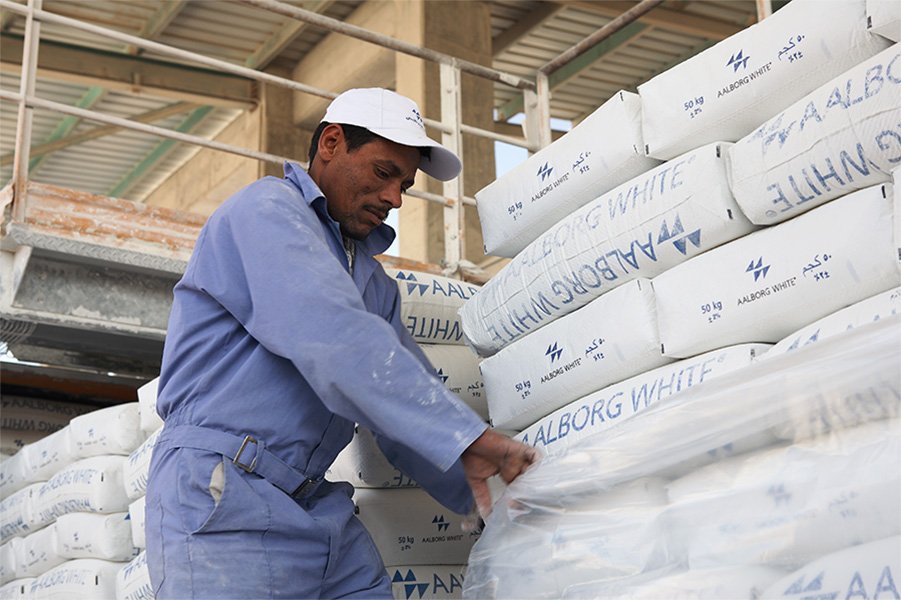
Portland Cement: A Complete Guide to Types, Benefits, Applications, and Quality Standards
Portland cement is one of the most important construction materials in the world and serves as the foundation of modern infrastructure. From residential buildings and commercial towers to highways, bridges, airports, and industrial facilities, Portland cement plays a critical role in creating durable, safe, and long-lasting structures.
Its excellent strength, versatility, and consistent performance have made it the preferred choice for engineers, architects, contractors, and developers across the globe. As construction projects continue to grow in complexity and scale, understanding the characteristics and applications of Portland cement becomes essential for achieving high-quality results.
At Bora Misr, we are committed to supplying premium construction materials that meet international quality standards while supporting successful residential, commercial, and industrial projects. This guide explores everything you need to know about Portland cement, including its manufacturing process, benefits, applications, and why it remains the industry’s most trusted building material.
What Is Portland Cement?
Portland cement is a hydraulic cement produced by grinding clinker together with gypsum and, in some cases, additional mineral components. When mixed with water, it forms a paste that hardens through a chemical reaction known as hydration, creating strong and durable concrete.
The name “Portland” comes from its resemblance to the natural building stone found on the Isle of Portland in England. Today, it is the most widely used type of cement worldwide and serves as the primary binding material in concrete and mortar.
How Portland Cement Is Manufactured
The production of Portland cement follows a carefully controlled process to ensure consistent quality and performance.
Raw Material Selection
High-quality limestone, clay, shale, silica, and iron-bearing materials are carefully selected to achieve the desired chemical composition.
Crushing and Grinding
The raw materials are crushed and ground into a fine powder to create a uniform mixture.
Clinker Production
The blended materials are heated inside rotary kilns at temperatures of approximately 1,450°C. During this process, chemical reactions produce hard nodules known as clinker.
Cooling
The clinker is rapidly cooled to preserve its physical and chemical properties.
Final Grinding
The cooled clinker is ground together with gypsum to regulate setting time and produce the finished Portland cement.
Throughout the manufacturing process, strict quality control ensures that every batch meets international construction standards.
Main Characteristics of Portland Cement
Several features make Portland cement the preferred choice for construction professionals worldwide.
High Compressive Strength
It provides excellent structural strength for buildings and infrastructure.
Excellent Durability
Properly designed concrete made with Portland cement can last for decades while resisting environmental conditions.
Strong Bonding Properties
It creates durable bonds with aggregates, reinforcing steel, and masonry units.
Consistent Performance
Modern manufacturing processes ensure reliable quality and predictable construction results.
Versatility
Portland cement is suitable for a wide variety of structural and architectural applications.
Cost Effectiveness
Its long service life and widespread availability make it one of the most economical construction materials available.
Types of Portland Cement
Different construction projects require different cement characteristics.
Ordinary Portland Cement (OPC)
The most commonly used type for general construction applications.
Moderate Sulfate Resistant Cement
Suitable for structures exposed to moderate sulfate conditions.
High Early Strength Cement
Designed for projects requiring rapid strength development.
Low Heat Portland Cement
Used in large concrete structures where temperature control is important.
Sulfate Resistant Cement
Ideal for foundations, marine structures, and environments with high sulfate exposure.
Each type is engineered to satisfy specific construction requirements while maintaining the fundamental properties of Portland cement.
Applications of Portland Cement
The versatility of Portland cement makes it indispensable across the construction industry.
Residential Construction
Homes, apartments, and residential communities depend on high-quality concrete produced with Portland cement.
Commercial Buildings
Office towers, hotels, shopping malls, and retail developments require durable structural concrete.
Industrial Facilities
Factories, warehouses, logistics centers, and manufacturing plants rely on the strength and reliability of Portland cement.
Transportation Infrastructure
Roads, highways, bridges, airports, railway stations, tunnels, and ports all require high-performance concrete.
Water Infrastructure
Dams, reservoirs, water treatment facilities, and drainage systems depend on durable cement-based structures.
Precast Concrete
Manufacturers use Portland cement to produce beams, columns, pipes, paving blocks, and decorative concrete products.
Advantages of Using Portland Cement
Construction professionals continue choosing Portland cement because it offers numerous benefits:
- Excellent long-term strength.
- Outstanding durability.
- Reliable structural performance.
- Easy availability.
- Cost-effective construction.
- Compatibility with various aggregates and admixtures.
- Suitable for nearly every type of construction project.
- Proven performance under diverse environmental conditions.
Why Quality Portland Cement Matters
The quality of cement directly affects the strength, safety, and durability of any construction project.
Premium Portland cement provides:
- Improved compressive strength.
- Better resistance to weather and moisture.
- Reduced maintenance costs.
- Longer service life.
- Enhanced structural safety.
- Consistent construction quality.
For this reason, selecting high-quality cement from a trusted supplier is essential for every successful project.
Why Choose Bora Misr?
At Bora Misr, we are committed to delivering premium construction materials that meet the highest international standards. Our focus on quality, consistency, and customer satisfaction allows us to support contractors, developers, distributors, and industrial clients with reliable building solutions.
Our products are designed to provide outstanding performance across residential, commercial, and industrial construction projects while helping customers achieve long-lasting results.
The Future of Portland Cement
The future of Portland cement continues to evolve as the global construction industry adopts innovative technologies and sustainable practices. While the demand for high-performance building materials remains strong, manufacturers are also focusing on improving production efficiency and reducing environmental impact.
Modern production facilities are investing in advanced equipment, cleaner energy sources, and optimized manufacturing processes to produce Portland cement with greater consistency and lower emissions. These innovations help meet the growing demand for infrastructure while supporting environmental responsibility.
As urbanization continues across developing and developed countries, Portland cement will remain one of the most essential materials for building resilient cities, transportation networks, and industrial facilities.
How to Choose High-Quality Portland Cement
Selecting the right Portland cement is a critical decision that affects the durability and safety of any construction project. Consider the following factors when choosing a supplier:
Product Certification
Always choose cement that complies with recognized national or international quality standards.
Consistent Manufacturing
Reliable manufacturers maintain strict quality control throughout the production process to ensure consistent performance.
Fresh Production
Freshly manufactured Portland cement generally offers better workability and performance when stored correctly.
Technical Support
A trusted supplier should provide guidance on selecting the appropriate cement type for different applications.
Reliable Supply Chain
Timely delivery and consistent product availability help keep construction projects on schedule.
Proper Storage and Handling
Correct storage is essential for maintaining the quality of Portland cement.
To preserve its performance:
- Store bags in a dry, covered warehouse.
- Protect the cement from moisture and rain.
- Keep bags elevated above the floor using pallets.
- Avoid prolonged storage whenever possible.
- Use older stock before newly delivered materials.
Proper handling minimizes waste and ensures maximum construction performance.
Portland Cement and Sustainable Construction
Sustainability has become a major priority within the construction industry. Manufacturers of Portland cement are continuously developing methods to reduce energy consumption, improve production efficiency, and minimize environmental impact.
Current sustainability initiatives include:
- Improving kiln efficiency.
- Using alternative fuels where appropriate.
- Reducing carbon emissions.
- Optimizing raw material utilization.
- Increasing operational efficiency.
- Supporting environmentally responsible construction practices.
These improvements help the construction industry achieve long-term sustainability while maintaining the high performance expected from Portland cement.
Why Bora Misr Is Your Trusted Partner
At Bora Misr, quality is the foundation of everything we do. We are dedicated to supplying premium construction materials that help customers complete projects with confidence.
Our commitment includes:
- Premium-quality construction materials.
- Strict quality control.
- Reliable product consistency.
- Professional customer support.
- Efficient supply solutions.
- Products suitable for residential, commercial, and industrial applications.
Whether you are building a residential home, a commercial complex, or a major infrastructure project, Bora Misr provides dependable construction materials designed to deliver exceptional results.
Conclusion
Portland cement remains one of the world’s most important construction materials due to its outstanding strength, durability, versatility, and cost-effectiveness. From residential housing and commercial developments to transportation infrastructure and industrial facilities, it serves as the backbone of modern construction.
Choosing high-quality Portland cement from a trusted supplier is essential for ensuring structural safety, long-term durability, and overall project success. By partnering with Bora Misr, contractors, engineers, developers, and distributors gain access to reliable construction materials that meet international quality standards and support superior building performance.
As construction technologies continue to advance, Portland cement will remain a key material for building stronger, safer, and more sustainable structures around the world.
Frequently Asked Questions (FAQ)
What is Portland cement?
Portland cement is a hydraulic cement widely used in concrete and mortar. It hardens when mixed with water and provides the strength required for construction projects.
What are the main uses of Portland cement?
It is commonly used in residential buildings, commercial structures, bridges, highways, airports, dams, industrial facilities, and precast concrete products.
What are the different types of Portland cement?
The main types include Ordinary Portland Cement (OPC), High Early Strength Cement, Moderate Sulfate Resistant Cement, Sulfate Resistant Cement, and Low Heat Portland Cement.
Why is Portland cement important in construction?
Its high compressive strength, durability, and versatility make it the primary binding material used in modern concrete construction.
How should Portland cement be stored?
It should be stored in a dry, covered area, protected from moisture, and kept on pallets above the ground to preserve its quality.
Why choose Bora Misr?
Bora Misr supplies premium construction materials with consistent quality, reliable service, and solutions designed to meet the needs of residential, commercial, and industrial construction
لا تعليق