
White Cement: A Complete Guide to Its Uses, Benefits, and Applications
White cement has become one of the most important construction materials in modern architecture and finishing projects. Its clean appearance, high strength, and versatility make it the preferred choice for architects, engineers, and contractors who want to achieve outstanding aesthetic and structural results. Whether you are working on residential buildings, commercial projects, or decorative elements, white cement offers a perfect balance between durability and beauty.
At Bora Misr, we understand the importance of supplying high-quality construction materials that meet international standards. This guide explains everything you need to know about white cement, including its manufacturing process, advantages, applications, and why it has become an essential material in today’s construction industry.
What Is White Cement?
White cement is a specialized type of Portland cement manufactured from carefully selected raw materials containing very low amounts of iron oxide and manganese oxide. These minerals are responsible for the gray color of ordinary Portland cement, so reducing them results in the bright white appearance that distinguishes white cement.
Besides its attractive color, white cement offers excellent mechanical strength and durability, making it suitable for both decorative and structural applications where appearance matters.
How White Cement Is Manufactured
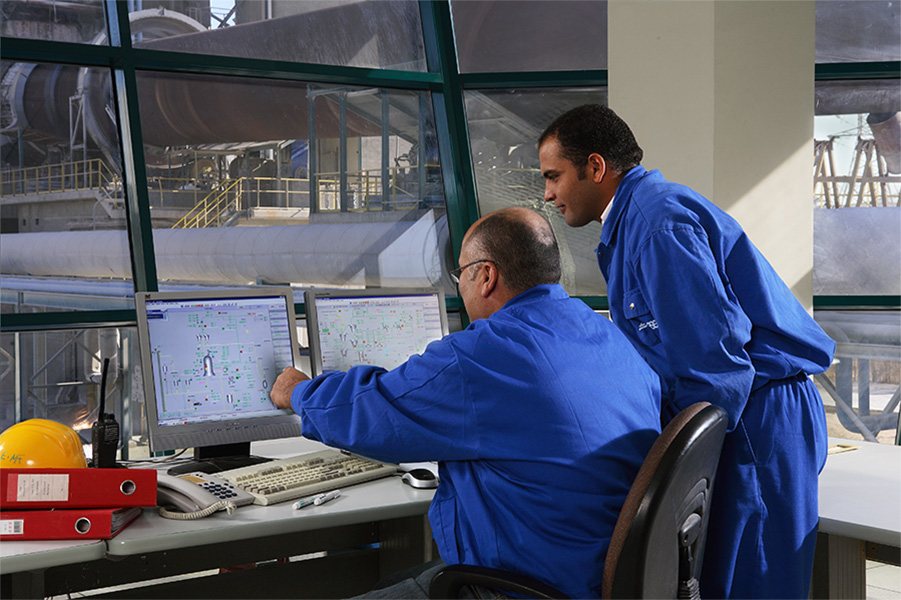
The production of white cement requires strict quality control throughout every stage of the manufacturing process.
Raw Material Selection
The first step involves selecting high-purity limestone, kaolin clay, silica, and other materials with minimal iron content.
Crushing and Grinding
The raw materials are crushed and ground into a fine powder to ensure a homogeneous mixture.
Clinker Production
The prepared mix is heated inside rotary kilns at temperatures reaching approximately 1,450°C. During this process, the raw materials transform into white clinker.
Rapid Cooling
The clinker is cooled quickly to preserve its physical and chemical properties.
Final Grinding
The clinker is mixed with gypsum and ground into a fine powder to produce the final white cement product.
Every production stage is carefully monitored to guarantee consistent color, strength, and quality.
Key Features of White Cement
There are many reasons why professionals choose white cement for premium construction and finishing projects.
Bright White Color
Its pure white appearance creates elegant finishes and enhances the beauty of buildings.
High Strength
Despite its decorative appearance, white cement provides excellent compressive strength comparable to conventional cement.
Smooth Surface Finish
It produces clean, smooth surfaces that require minimal additional finishing.
Excellent Workability
Its fine texture makes mixing, shaping, and finishing easier for contractors and craftsmen.
Long-Term Durability
When properly applied, white cement maintains its appearance and structural performance for many years.
Outstanding Design Flexibility
It can easily be combined with pigments to create a wide range of architectural colors without compromising quality.
Common Applications of White Cement
One of the biggest advantages of white cement is its versatility.
Architectural Facades
Modern buildings frequently use white cement to create elegant and visually attractive facades.
Decorative Concrete
Architectural concrete panels, decorative walls, and artistic installations often rely on white cement because of its clean finish.
Terrazzo Flooring
Terrazzo flooring uses white cement as a binder for marble chips and decorative aggregates.
Tile Adhesives and Grouts
Many premium tile adhesives and grouting materials contain white cement to provide an attractive appearance.
Artificial Stone Manufacturing
Manufacturers use white cement to produce artificial stone with natural-looking finishes.
Sculptures and Decorative Elements
Artists and designers prefer white cement for statues, garden ornaments, fountains, and decorative architectural components.
Interior Design
Modern interior designers use white cement for feature walls, countertops, decorative flooring, and customized furniture.
White Cement vs. Ordinary Gray Cement
Although both products belong to the Portland cement family, there are several important differences.
| White Cement | Gray Cement |
|---|---|
| Bright white color | Gray color |
| Decorative and architectural applications | General construction |
| Low iron content | Higher iron content |
| Premium appearance | Standard appearance |
| Ideal for colored finishes | Limited decorative options |
The choice between them depends on the project’s functional and aesthetic requirements.
Advantages of Using White Cement
Using white cement offers numerous benefits for construction professionals and property owners.
- Creates luxurious architectural finishes.
- Improves the visual appeal of buildings.
- Supports creative design concepts.
- Compatible with colored pigments.
- Produces smooth and uniform surfaces.
- Suitable for indoor and outdoor applications.
- Delivers excellent durability under proper installation.
- Increases the value and attractiveness of construction projects.
Why Architects Prefer White Cement
Architects often specify white cement because it provides unlimited creative possibilities. Its bright appearance complements contemporary architectural trends while allowing designers to experiment with textures, colors, and shapes.
Whether designing luxury villas, hotels, shopping malls, museums, or commercial towers, white cement helps achieve distinctive architectural identities that stand out from traditional gray concrete structures.
Best Practices for Using Cement
To achieve the best possible results with cement, following proper handling and application procedures is essential.
Use Clean Water
Always mix cement with clean, potable water. Impurities may affect both the color and the final strength of the mixture.
Keep Equipment Clean
Tools, mixers, and containers should be completely clean and free from gray cement residue to maintain the pure white finish.
Follow the Correct Mixing Ratio
Using the appropriate water-to-cement ratio ensures optimal workability, strength, and surface quality.
Store Properly
Keep cement in a dry, well-ventilated area, protected from moisture and direct sunlight. Proper storage preserves its quality and extends its shelf life.
Ensure Proper Curing
Like all cement-based products, cement requires proper curing after application to achieve maximum durability and strength.
Cement in Sustainable Construction
Sustainability has become a major focus in the construction industry, and white cement contributes to environmentally conscious building practices in several ways.
Its light color reflects more sunlight than conventional gray cement, helping reduce heat absorption in buildings. This can contribute to improved energy efficiency, especially in warm climates.
In addition, the long service life of structures made with cement reduces maintenance requirements and supports sustainable construction by extending the lifespan of architectural elements.
Industries That Commonly Use Cement
Because of its versatility, cement is widely used across multiple industries, including:
- Residential construction
- Commercial buildings
- Luxury villas
- Hotels and resorts
- Shopping malls
- Hospitals
- Educational institutions
- Religious buildings
- Landscape architecture
- Public infrastructure
- Decorative precast concrete manufacturing
Its ability to combine durability with premium aesthetics makes it suitable for projects of all sizes.
Why Choose Bora Misr?
At Bora Misr, quality is at the core of everything we do. We are committed to providing construction materials that meet the highest industry standards while supporting contractors, architects, developers, and project owners with reliable products.
Our commitment includes:
- High-quality construction materials
- Consistent product performance
- Reliable supply solutions
- Professional customer support
- Products suitable for residential, commercial, and industrial projects
Whether your project requires decorative finishes or large-scale architectural applications, Bora Misr is dedicated to helping you achieve outstanding results.
The Future of Cement
The demand for cement continues to grow worldwide as modern architecture increasingly emphasizes clean lines, elegant finishes, and sustainable design.
Innovations in construction technology are expanding the applications of cement, making it an essential material for architects seeking creative freedom without sacrificing structural performance.
As urban development continues, white cement is expected to play an even greater role in shaping the buildings and public spaces of the future.
Conclusion
White cement is much more than a decorative construction material. It combines strength, durability, versatility, and outstanding visual appeal, making it one of the best choices for modern architectural and finishing applications.
From elegant facades and decorative concrete to artificial stone, terrazzo flooring, and premium interior designs, cement continues to redefine construction possibilities. Choosing high-quality materials from trusted suppliers such as Bora Misr ensures long-lasting performance and exceptional project results.
Frequently Asked Questions (FAQ)
What is cement used for?
cement is commonly used for architectural facades, decorative concrete, terrazzo flooring, tile grouts, artificial stone, sculptures, and premium interior and exterior finishes.
Is cement as strong as gray cement?
Yes. High-quality cement offers compressive strength comparable to ordinary Portland cement when used according to recommended standards.
Can cement be colored?
Yes. One of the major advantages of cement is its ability to blend with pigments, allowing architects and designers to create a wide variety of colors.
Is cement suitable for outdoor applications?
Absolutely. cement performs well in outdoor environments when properly installed and maintained.
How should cement be stored?
Store cement in a dry environment, away from moisture, and keep the bags sealed until use.
Why is cement more expensive than gray cement?
The manufacturing process requires highly purified raw materials and stricter quality control, making production more complex and increasing the overall cost.
[…] information about white cement can help buyers understand its characteristics and common […]