
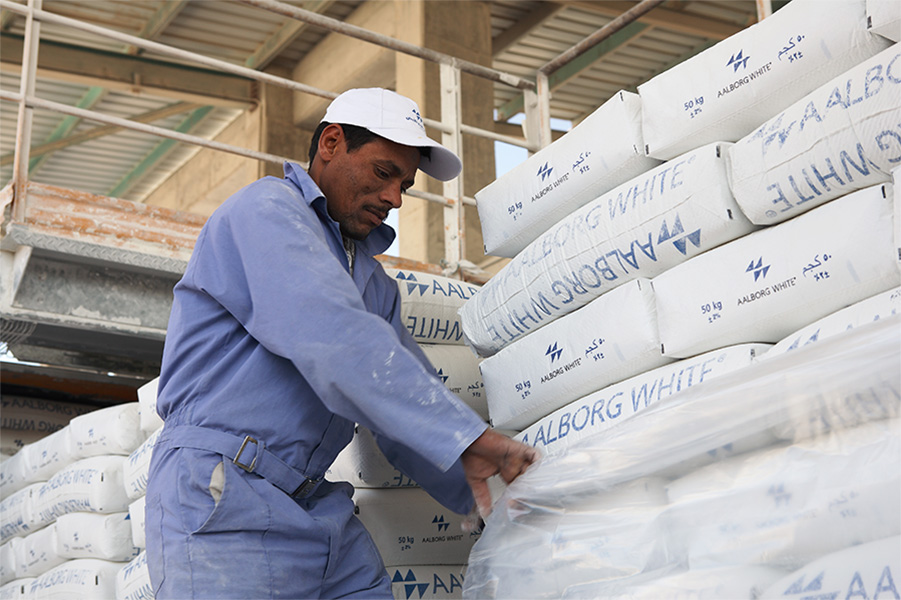
Decorative Cement in Tanzania: Uses, Types, Benefits, and How to Choose the Right Material
Decorative cement has become an important material in modern construction and architectural design. Property owners, contractors, architects, and developers increasingly look for finishes that combine visual appeal with practical performance. From elegant interior walls and decorative floors to exterior facades, garden features, and commercial spaces, cement-based decorative finishes offer many possibilities for creating distinctive surfaces.
In Tanzania, where residential construction, commercial developments, hospitality projects, and property improvements create demand for versatile building materials, decorative cement can support a wide range of design ideas. The final result depends on selecting appropriate cement products, preparing the surface correctly, following the recommended application method, and using suitable protective treatments where necessary.
For projects that require a bright appearance or a refined architectural finish, Bora Misr provides information and supply support for white cement solutions in Tanzania. Understanding the available materials and their intended uses helps buyers make informed decisions before starting a decorative construction project.
What Is Decorative Cement?
Decorative cement refers to cement-based materials and finishing systems used to improve the appearance of building surfaces while serving a practical construction purpose. Depending on the application, these systems may involve ordinary Portland cement, white cement, colored cement mixtures, cement-based renders, decorative mortars, or specially formulated finishing products.
Unlike conventional cement applications that are primarily concerned with structural or basic construction requirements, decorative cement focuses on the appearance and texture of the finished surface. It can produce smooth, textured, patterned, colored, or polished-looking finishes when the appropriate materials and techniques are used.
It is important to distinguish between cement and decorative cement products. Cement is a binding material used in concrete, mortar, and other mixtures. Decorative cement finishes are generally created by combining suitable cement with aggregates, pigments, additives, or other materials according to the intended application.
The exact composition varies from one product to another. Buyers should therefore review the manufacturer’s technical information rather than assume that every cement product is suitable for every decorative application.
Common Types of Decorative Cement
Several cement-based materials can be used to achieve decorative effects. The right choice depends on the surface, design requirements, expected exposure, installation method, and available budget.
1. White Cement for Decorative Finishes
White cement is commonly selected for applications where a light-colored or bright finish is important. Its appearance makes it useful for decorative plastering, architectural details, terrazzo, selected precast products, and cement-based mixtures that require lighter colors.
White cement can also serve as a base for compatible pigments, helping designers achieve a broader range of colors than may be practical with darker cement. The final shade depends on the cement, aggregates, pigments, water content, mixing process, curing conditions, and surface treatment.
For decorative projects in Tanzania, white cement may be worth considering when the design calls for a clean, modern, or visually distinctive finish. However, the selected product must still be appropriate for the specific application.
2. Colored Cement Finishes
Colored cement finishes are produced by incorporating suitable pigments into compatible cement-based mixtures or by applying a colored finishing product. They can be used to complement architectural styles, define different areas, or create visual contrast on floors, walls, and outdoor features.
Color consistency depends on accurate proportions, uniform mixing, consistent raw materials, and appropriate curing. Before applying a colored mixture across a large area, contractors should test a sample to assess the final appearance under actual lighting conditions.
3. Textured Cement Finishes
Textured cement finishes create visual depth through patterns, aggregate exposure, trowel techniques, or specially designed surface treatments. They may be used on selected walls, feature surfaces, exterior details, and landscape elements.
The texture should be selected according to the location and intended use. For example, a finish exposed to rain, dust, or frequent contact may require different maintenance considerations from a decorative interior wall.
4. Polished-Looking Cement Floors
Cement-based flooring systems can provide a contemporary appearance in homes, retail spaces, offices, restaurants, and other commercial buildings. Depending on the system, the finished floor may be ground, polished, sealed, or treated to achieve the desired appearance.
A polished concrete floor is not simply any cement surface that has been smoothed. It usually requires an appropriate concrete substrate, specialized equipment, controlled finishing, and a suitable polishing process. Contractors should confirm whether a proposed product is designed for the intended flooring system.
5. Decorative Cement Mortar and Render
Cement-based mortars and renders can be applied to selected masonry or concrete surfaces to create smooth or textured finishes. They may help unify the appearance of walls and provide a suitable base for additional coatings when the complete system is compatible.
Surface preparation is essential. Dust, loose material, contamination, excessive moisture, or an unsuitable substrate can affect adhesion and contribute to cracking or surface defects.
Where Is Decorative Cement Used?
Decorative cement is versatile, making it suitable for a variety of residential, commercial, and architectural applications. Its suitability depends on the formulation and installation method rather than appearance alone.
Residential Buildings
- Interior walls: Decorative cement finishes can create simple, modern surfaces in living rooms, hallways, and selected feature areas.
- Floors: Appropriate cement-based flooring systems can provide a contemporary finish in living spaces and other suitable rooms.
- Outdoor areas: Compatible systems may be used for selected patios, walkways, and garden features.
- Architectural details: Cement-based mixtures can help create decorative borders, trims, and other design elements.
- Bathrooms and kitchens: Certain specially designed systems may be suitable, but moisture exposure, waterproofing, slip resistance, and maintenance must be evaluated carefully.
Commercial and Hospitality Projects
Hotels, restaurants, retail stores, offices, and reception areas often require finishes that support a particular brand identity or architectural style. Decorative cement may be used to create feature walls, selected floors, counters, and other design elements.
Commercial applications should be assessed according to expected foot traffic, cleaning requirements, exposure to spills, and the level of wear. A finish intended for a decorative wall may not be suitable for a heavily used floor.
Exterior Facades and Landscaping
Decorative cement-based materials can be incorporated into selected facade details, boundary walls, garden structures, and outdoor architectural features. For exterior use in Tanzania, contractors should account for local weather conditions, rainfall, direct sunlight, and the possibility of moisture penetration.
Products intended for exterior exposure should be selected based on their stated performance and installation requirements. Appropriate drainage, movement joints where required, curing, and maintenance can also influence long-term results.
Terrazzo and Decorative Precast Products
Terrazzo incorporates cementitious or other suitable binders with decorative aggregates, depending on the system. Decorative precast elements can include architectural panels, paving units, ornaments, and selected facade components.
White cement may be useful when a lighter binder is needed to complement colored aggregates or achieve a particular visual effect. The mixture design, aggregate selection, manufacturing process, and curing method must be suitable for the intended product.
Benefits of Decorative Cement
When correctly specified and installed, decorative cement finishes can offer several advantages for building projects.
1. Design Flexibility
Cement-based decorative systems can be adapted to different textures, patterns, colors, and architectural styles. This flexibility helps designers create coordinated finishes across different parts of a property.
2. A Range of Visual Effects
Depending on the materials and techniques, decorative cement can produce minimalist, industrial, traditional, or contemporary appearances. White cement and compatible pigments can provide additional options for lighter or more colorful finishes.
3. Integration with Construction Materials
Decorative cement can complement concrete, masonry, stone, tile, metal, and other architectural materials. Proper detailing and compatibility are necessary where different materials meet.
4. Potential for Long Service Life
A suitable cement-based finish can remain functional and attractive when the substrate is sound, the product is appropriate for its environment, and installation and maintenance follow the manufacturer’s recommendations. No decorative finish is completely immune to cracking, staining, wear, or moisture-related problems.
5. Options for Different Project Budgets
Decorative cement systems vary in material costs, labor requirements, preparation needs, and finishing complexity. This gives project owners the opportunity to compare solutions based on both appearance and total installed cost.
Decorative Cement vs. Ordinary Cement
Although both involve cement-based materials, ordinary cement applications and decorative cement finishes serve different purposes. Ordinary cement is generally used as a binder in construction mixtures, while decorative applications place greater emphasis on the appearance and surface characteristics of the finished product.
| Feature | Ordinary Cement Application | Decorative Cement Application |
|---|---|---|
| Main objective | General construction and binding | Finishing, appearance, and design |
| Appearance | Often secondary to the construction purpose | Usually a key design consideration |
| Materials | Selected according to the required construction mixture | May include pigments, selected aggregates, additives, or specialty finishing products |
| Installation | Depends on the intended construction application | May require specific surface preparation and finishing techniques |
| Cost factors | Material quantity, grade, transport, and labor | Materials, preparation, decorative techniques, skilled labor, and protective treatments |
The distinction is not absolute: ordinary cement can be used in decorative work, and some decorative products are specially formulated mixtures. The technical specifications should determine the final selection.
How to Choose Decorative Cement in Tanzania
Choosing the right product starts with identifying the purpose of the finish. A material suitable for a protected indoor wall may not provide the necessary performance for an outdoor floor or a frequently wet area.
- Define the application.Decide whether the product will be used on a wall, floor, facade, decorative ornament, precast element, or another surface.
- Choose the required appearance.Consider whether the project needs a white base, a colored finish, a smooth surface, visible aggregates, or a textured effect.
- Review the technical specifications.Check the manufacturer’s instructions, intended uses, compatibility requirements, and any relevant performance information.
- Consider local environmental conditions.For outdoor projects in Tanzania, assess rainfall, moisture exposure, sunlight, temperature changes, and drainage conditions.
- Evaluate the installation requirements.Some finishes need skilled applicators, specialized tools, controlled mixing, or additional preparation. Include these requirements in the project budget.
- Test a sample first.A sample panel or small test area can help confirm the color, texture, finish, and compatibility with the substrate before large-scale installation.
- Choose a dependable supplier.Look for clear product information, suitable packaging, reliable communication, and support with quantities and shipping arrangements.
What Affects Decorative Cement Prices in Tanzania?
The cost of decorative cement varies according to the material, product specifications, supplier, order size, and intended application. Comparing products by price alone may overlook important differences in coverage, preparation, labor, and finishing requirements.
Key factors affecting the total cost include:
- Type of cement: White cement, ordinary Portland cement, and specialty decorative products may have different purchase costs.
- Order quantity: Retail quantities and bulk orders can have different commercial terms.
- Shipping and transport: Freight, handling, and delivery arrangements affect the landed cost in Tanzania.
- Surface preparation: Repairing, cleaning, leveling, or priming a surface can add to the project budget.
- Labor and equipment: Specialized textures, polishing, and detailed decorative work may require experienced contractors or specific tools.
- Protective treatments: Sealers or other compatible finishing products may be needed depending on the application.
- Maintenance requirements: Cleaning methods and future repairs should be considered when comparing alternative systems.
For a more accurate estimate, buyers should specify the required product, intended use, estimated quantity, and delivery location. They should also ask whether the quotation includes transport and any additional materials needed for the selected finish.
For related information, explore the Tanzania cement prices category and the cement prices resources available on Bora Misr.
Why Consider White Cement for Decorative Projects?
White cement is particularly relevant when the visual design depends on a light-colored background, a clean finish, or a more controlled starting point for colored mixtures. It may be used in decorative mortars, terrazzo, selected precast components, and architectural details when the product is suitable for the intended purpose.
However, choosing white cement does not automatically guarantee a brighter, stronger, or more durable finished surface. Final performance depends on the product specifications, mixture proportions, aggregates, workmanship, curing, and environmental exposure.
Project owners and contractors should confirm that the cement meets the requirements of the planned application and any applicable local standards. Structural components must be designed and approved by qualified professionals rather than selected on decorative appearance alone.
Bora Misr supports buyers seeking white cement supply options for projects in Tanzania. To learn more about the company and its product focus, visit the Bora Misr About Us page.
Best Practices for Applying Decorative Cement
Even a suitable material can produce poor results if it is installed incorrectly. Following an organized process helps reduce avoidable defects and supports a more consistent finish.
- Prepare the substrate: Remove loose material, dust, grease, and other contaminants, and repair defects where necessary.
- Follow mixing instructions: Use the recommended proportions and mixing method. Adding excess water can affect the finish and the properties of the hardened material.
- Use compatible materials: Confirm that pigments, aggregates, bonding products, and sealers are appropriate for the selected system.
- Apply consistently: Maintain suitable layer thickness, application technique, and working conditions according to the product instructions.
- Allow proper curing: Protect fresh cement-based work and follow the recommended curing procedure.
- Control moisture: Use suitable waterproofing and drainage details wherever the application requires them.
- Inspect before completion: Check the surface for visible defects and resolve issues before applying any final protective treatment.
For larger or technically demanding projects, contractors should follow the product manufacturer’s guidance and consult qualified construction professionals where necessary.
How to Store Decorative Cement Properly
Cement can deteriorate when exposed to moisture before use. Proper storage is particularly important when materials are purchased in advance or delivered to a construction site.
- Keep cement in a dry, covered, well-ventilated storage area.
- Store bags off the ground on a suitable raised platform.
- Protect the material from rain, water leaks, and excessive humidity.
- Keep packaging intact until the product is needed.
- Follow the manufacturer’s storage guidance and use materials within the recommended period.
- Check for damaged packaging, moisture exposure, or unusual hardening before use.
For decorative applications, consistent material condition is especially important because variations in cement or other ingredients can affect the appearance of the final surface.
Why Work with Bora Misr for White Cement Supply in Tanzania?
Choosing the right supply partner can make procurement easier for contractors, distributors, and construction businesses. Buyers need clear communication about product availability, order quantities, specifications, and shipping arrangements before committing to a purchase.
Bora Misr focuses on supplying white cement solutions for the Tanzanian market, supporting buyers who require cement for construction and selected decorative applications. White cement can be an appropriate option for projects where a light-colored binder is important, provided that the selected product meets the technical requirements.
Before placing an order, buyers should confirm:
- The product specifications and intended applications.
- The available packaging and minimum order requirements, if applicable.
- The quantity required for the project or distribution business.
- The quotation, payment terms, and applicable transport costs.
- The estimated shipping arrangements and delivery location.
- The documentation available for evaluating product suitability.
These details help buyers plan their procurement more accurately and avoid relying on assumptions about specifications or delivery schedules. For questions about supply options, use the Bora Misr contact page to discuss your requirements.
Frequently Asked Questions About Decorative Cement
1. What is decorative cement used for?
Decorative cement is used in cement-based finishes for walls, floors, facades, architectural details, terrazzo, selected precast products, and landscaping features. The appropriate product depends on the surface and intended use.
2. Is white cement suitable for decorative applications?
Yes. White cement is commonly considered for decorative work requiring a light-colored finish or a base for compatible pigments. The selected cement must be suitable for the specific mixture and application.
3. Can decorative cement be used outdoors in Tanzania?
Some decorative cement systems are suitable for exterior use. Buyers should confirm the product’s exterior suitability and consider rain, moisture, sunlight, drainage, surface preparation, and maintenance requirements.
4. Is decorative cement waterproof?
Not necessarily. Cement-based finishes should not automatically be treated as waterproofing systems. Wet areas and moisture-exposed structures may require a specifically designed waterproofing solution beneath or alongside the decorative finish.
5. What is the difference between decorative cement and decorative concrete?
Decorative cement commonly refers to cement-based finishing materials, while decorative concrete generally refers to concrete designed or treated for visual effect. Decorative concrete may include colored concrete, exposed aggregate, stamped surfaces, or polished finishes.
6. How much does decorative cement cost in Tanzania?
Prices vary by product type, specifications, quantity, supplier, transport, and installation requirements. Request a quotation based on the exact material, order volume, and delivery location to compare the total cost accurately.
7. Can pigments be added to white cement?
Compatible pigments can be used with suitable white cement mixtures to create different colors. The pigment type and dosage should follow the product guidance, and a test sample is recommended to evaluate the final shade.
8. How can I find a supplier of white cement in Tanzania?
Start by identifying the required product specifications and quantity. Then compare supplier information, packaging, shipping arrangements, and quotation terms. You can contact Bora Misr through its website to inquire about white cement supply options.
Conclusion
Decorative cement offers contractors, designers, property owners, and developers in Tanzania a flexible way to create attractive cement-based finishes for residential and commercial projects. Depending on the selected system, it can support smooth walls, textured surfaces, decorative floors, architectural details, terrazzo, and precast elements.
The best results come from matching the product to the application, preparing the surface correctly, using compatible materials, and following proper installation and curing procedures. Buyers should also consider total project costs, local environmental conditions, and long-term maintenance rather than focusing only on the initial material price.
For projects that require white cement, Bora Misr is a resource for exploring supply options in Tanzania. Confirming product specifications, quantities, and shipping arrangements before ordering can help contractors and businesses plan their decorative construction work with greater confidence.
لا تعليق