
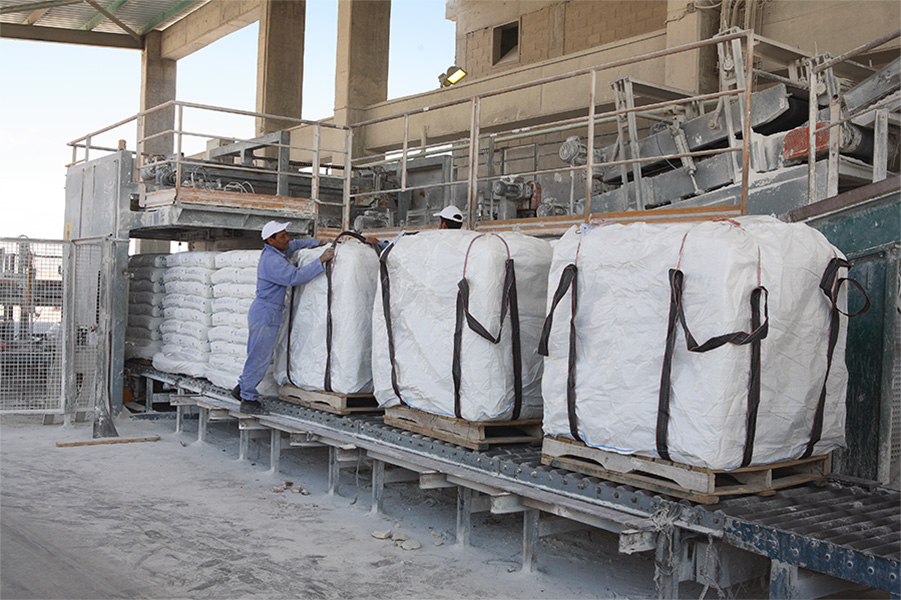
Decorative Cement Tanzania: Applications, Benefits, and How to Choose the Right Material
Decorative cement is an important material for construction projects where appearance and functionality must work together. In Tanzania, homeowners, contractors, architects, property developers, and commercial construction businesses may use cement-based decorative products to create attractive floors, walls, facades, pathways, tiles, and architectural features. Selecting suitable materials is essential for achieving the desired finish while meeting the technical requirements of each application.
When searching for decorative cement in Tanzania, buyers should consider more than the initial purchase price. Cement specifications, color requirements, aggregate quality, pigments, installation methods, curing procedures, and environmental conditions can all influence the final result. White cement is particularly relevant to some decorative applications because its light color can provide greater flexibility when creating bright finishes and selected colored cement-based products.
Bora Misr offers white cement supply solutions for construction businesses and material buyers in Tanzania. Understanding the available materials and their appropriate uses can help contractors and buyers make informed decisions for residential, commercial, and architectural projects.
What Is Decorative Cement?
Decorative cement refers to cement used in applications where the appearance of the finished product is an important design consideration. It is not one single cement formulation. Instead, decorative applications can involve different cement types, aggregates, pigments, admixtures, and finishing techniques depending on the desired result.
Decorative cement-based materials may be used to create smooth or textured walls, colored concrete, terrazzo surfaces, decorative tiles, architectural panels, ornamental features, and selected landscape products. Some finishes are produced directly on site, while others are manufactured in controlled environments before being installed.
The appropriate cement depends on the application. A material suitable for a decorative wall finish may not automatically be appropriate for a heavily used floor or a structural concrete element. Buyers should verify product specifications and follow the recommendations of manufacturers and qualified construction professionals.
Why Is White Cement Important for Decorative Applications?
White cement is a useful option for certain decorative projects because it provides a light-colored cement base. This characteristic can help designers achieve bright finishes and develop selected colored mixtures when compatible pigments and aggregates are used.
1. Light-Colored Finishes
White cement can help produce light-colored cement-based surfaces when the formulation and application method are appropriate. It may be considered for decorative panels, ornamental products, architectural details, and selected wall or floor finishes.
The final appearance depends on more than the cement color. Aggregates, pigments, water content, mixing consistency, curing, and surface treatment can all influence the finished shade.
2. Greater Flexibility for Color Design
White cement can serve as a base for many colored cement-based products. Compatible pigments may be added to create a range of shades, depending on the requirements of the design and the properties of the selected materials.
For projects where color consistency is important, contractors should use controlled mixing procedures and test sample batches before proceeding with large quantities.
3. Support for Architectural Design
Architects and designers can use white cement in suitable decorative concrete, terrazzo, precast elements, and ornamental applications. It can complement contemporary, minimalist, and traditional architectural styles, depending on the selected finish.
4. Suitable for Selected Precast Products
White cement may be used in certain precast decorative products where a light surface appearance is required. Examples include architectural details, decorative panels, ornaments, and selected paving products. The mixture must still meet the relevant strength, durability, and production requirements.
For additional background, read about white cement.
Common Uses of Decorative Cement in Tanzania
Decorative cement can support a wide range of construction and design projects. The appropriate product and installation method depend on the intended appearance, expected use, and environmental conditions.
Decorative Wall Finishes
Cement-based decorative finishes can be used in houses, apartments, hotels, offices, retail spaces, and commercial properties. Depending on the selected system, surfaces may have a smooth appearance, a textured finish, or a specific color intended to complement other building materials.
Before application, contractors should check the condition of the substrate and confirm that the selected material is compatible with the surface. Surface preparation, application thickness, curing, and finishing procedures can influence the quality of the result.
Decorative Concrete Flooring
Decorative concrete flooring is used in selected residential interiors, commercial spaces, showrooms, walkways, and outdoor areas. Possible finishes include colored concrete, polished surfaces, exposed aggregates, and patterned designs.
Floor performance depends on the concrete mix, substrate preparation, slab thickness, joint arrangement, curing, finishing, and expected traffic. Contractors should ensure that decorative requirements do not compromise the technical needs of the floor.
Terrazzo and Cement-Based Tiles
Terrazzo and certain cement-based tiles combine cementitious materials with decorative aggregates or pigments. White cement may be suitable for selected products where a lighter matrix is desired.
Manufacturers should consider abrasion resistance, dimensional stability, surface finish, curing, and production consistency. Sample production can help confirm the desired appearance before full-scale manufacturing begins.
Precast Architectural Elements
Precast manufacturing allows decorative components to be produced in molds before they are transported to a project site. Applications may include facade details, garden ornaments, decorative panels, edging, and other architectural products.
Consistent batching, suitable aggregates, proper compaction, controlled curing, and careful demolding help support product quality. Any structural or load-bearing component must also meet the applicable engineering requirements.
Outdoor and Landscaping Features
Decorative cement-based products can be incorporated into gardens, pathways, planters, landscape edging, and selected outdoor features. Outdoor materials need to be appropriate for exposure to moisture, weather changes, abrasion, and other site conditions.
Where a protective coating or sealer is required, the selected treatment should be compatible with the cement-based material and suitable for the expected environment.
Decorative Cement vs. White Cement: Understanding the Difference
Decorative cement and white cement are related terms, but they describe different things. Decorative cement refers broadly to the use of cement-based materials for visually focused applications, while white cement refers to a cement product manufactured to have a white or light-colored appearance.
| Feature | Decorative Cement Applications | White Cement |
|---|---|---|
| Meaning | Cement-based materials used to achieve a particular visual finish | A cement type characterized by its white or light color |
| Primary purpose | Creating decorative textures, colors, patterns, or surfaces | Providing a light-colored cement base for suitable applications |
| Color options | Depend on cement, aggregates, pigments, and finishing techniques | Can support light finishes and selected colored formulations |
| Typical applications | Decorative flooring, wall finishes, terrazzo, tiles, and ornaments | Selected architectural finishes, precast elements, and decorative products |
| Selection criteria | Design requirements, exposure, application method, and performance | Product specifications, intended use, and mix compatibility |
White cement can be used in decorative applications, but not every decorative project requires it. In some cases, another suitable cement product may meet the project’s needs. The final choice should be based on the design, product documentation, and technical requirements.
How to Choose Decorative Cement in Tanzania
Choosing the right decorative cement requires careful consideration of the project requirements. Contractors and buyers should review the material, the installation method, and the conditions under which the finished surface will be used.
1. Define the Intended Application
Start by identifying whether the material is required for a wall finish, floor, terrazzo, tile, precast component, or outdoor decorative feature. Each application may require a different formulation and different performance characteristics.
2. Check Product Specifications
Request technical information and confirm that the material is suitable for its intended purpose. Consider the relevant strength, durability, compatibility, and exposure requirements. For structural applications, follow the approved engineering design and applicable standards.
3. Evaluate the Desired Color and Texture
For light or colored finishes, consider the cement color, aggregate selection, pigment compatibility, and finishing method. A representative sample can help assess the expected appearance before the material is used across a large area.
4. Confirm Compatibility with Other Materials
Pigments, aggregates, admixtures, water, sealers, and other ingredients can affect the behavior and appearance of cement-based products. Follow the manufacturer’s recommendations and use an appropriate mix design for the intended application.
5. Consider Workmanship and Installation
Even suitable materials can produce poor results when the substrate is improperly prepared or the mixture is incorrectly applied. Contractors should follow the specified application thickness, mixing procedure, curing method, and finishing instructions.
6. Evaluate the Supplier
Ask about product availability, packaging, technical documentation, order quantities, and delivery arrangements. Clear communication is particularly important for projects with specific color requirements or a fixed construction schedule.
Factors Affecting Decorative Cement Prices in Tanzania
The price of decorative cement in Tanzania varies according to the product type, quantity, supply source, transportation, and other project requirements. Buyers should request a quotation based on the exact product and delivery destination rather than relying on a general price estimate.
- Cement type: White cement and specialized products may have different sourcing and supply costs.
- Order quantity: Retail purchases and bulk orders may have different commercial terms.
- Packaging: Packaging type and handling requirements can affect the total cost.
- Transportation: Freight, delivery distance, loading, and unloading arrangements may influence the final price.
- Additional materials: Pigments, decorative aggregates, admixtures, sealers, and other components may add to the project budget.
- Installation costs: Surface preparation, labor, finishing, curing, and protective treatments should be considered.
- Material waste: Inaccurate estimates and unsuitable storage can increase the overall cost of a project.
For related information, explore the Tanzania cement prices category and the cement prices category on the Bora Misr website.
Best Practices for Using Decorative Cement
Correct installation is essential for achieving an attractive and suitable finish. Contractors should follow the relevant product instructions and project specifications throughout the process.
- Prepare the surface: Ensure that the substrate is clean, sound, and suitable for the selected application system.
- Measure ingredients consistently: Use controlled proportions to help maintain consistent color and material behavior.
- Avoid excess water: Follow the specified mix design instead of adding uncontrolled quantities of water.
- Test decorative samples: Confirm color, texture, and compatibility before beginning large-scale work.
- Follow curing requirements: Use the recommended curing procedures to support the intended material properties.
- Protect finished surfaces: Use suitable protection during construction and compatible sealers where required.
- Use qualified professionals: Seek technical guidance when the project involves structural components or demanding performance requirements.
Bulk Decorative Cement and White Cement Supply
Contractors, manufacturers, wholesalers, and distributors may need larger quantities of cement for ongoing projects or repeated production. Planning these purchases in advance can help coordinate deliveries with construction schedules and storage capacity.
Before placing a bulk order, buyers should estimate consumption, confirm product specifications, evaluate storage conditions, and discuss the expected delivery arrangements. The quantity ordered should reflect realistic demand rather than an assumption that a larger purchase will always reduce total costs.
For decorative projects that require white cement, consistency in the selected material and the mixing process can be important to the final appearance. Contractors should confirm the product requirements before ordering and plan how the material will be stored and used.
Clear communication between suppliers and buyers helps clarify quantities, packaging, delivery destinations, and other commercial conditions. For recurring purchases, businesses should also discuss how future orders will be coordinated.
Why Consider Bora Misr for White Cement Supply in Tanzania?
Bora Misr focuses on white cement supply solutions for construction businesses and material buyers in Tanzania, with supply associated with Sinai White Portland Cement. Its offering may be relevant to customers evaluating white cement for appropriate decorative, architectural, and precast applications.
When contacting a supplier, buyers should explain the intended application and the technical requirements of the project. This helps establish whether the product under consideration is suitable and what additional information is needed before an order can be finalized.
For a more focused inquiry, provide the following information:
- The intended use, such as decorative concrete, terrazzo, tiles, or architectural finishes.
- The approximate quantity required.
- The required product specifications.
- The preferred packaging or order format, if applicable.
- The delivery destination in Tanzania.
- The expected purchasing schedule.
Buyers should verify product documentation, availability, transportation arrangements, and commercial terms directly before placing an order.
Learn more about the company through the Bora Misr About Us page, or discuss supply requirements through the Contact Us page.
Frequently Asked Questions About Decorative Cement in Tanzania
What is decorative cement used for?
Decorative cement is used in cement-based products and finishes where appearance is important. Common applications include decorative walls, floors, terrazzo, tiles, precast ornaments, architectural panels, and selected landscaping features.
Is white cement suitable for decorative concrete?
White cement can be suitable for selected decorative concrete applications, particularly when a light-colored base is desired. The cement, aggregates, pigments, mix design, and finishing method should be selected according to the project’s requirements.
Can decorative cement be colored?
Many cement-based decorative mixtures can be colored using compatible pigments. The final shade depends on the material composition, pigment type, mixing consistency, curing conditions, and finishing procedure. Testing a sample is recommended when color matching is important.
What affects decorative cement prices in Tanzania?
Prices can vary according to the cement type, order quantity, packaging, transportation, supplier terms, and additional materials required for the finish. Installation and surface preparation also contribute to the total project cost.
How can I choose a decorative cement supplier?
Compare product specifications, availability, packaging, transportation arrangements, technical information, and complete quotations. Make sure the product is suitable for the intended application and meets the relevant project requirements.
Is decorative cement suitable for outdoor use?
Some cement-based decorative products are suitable for outdoor applications, but suitability depends on the formulation, installation method, exposure conditions, and required durability. Check the manufacturer’s guidance before selecting a product.
Can contractors order decorative cement in bulk?
Bulk orders may be available depending on the supplier, product availability, and order requirements. Buyers should provide their estimated quantity, packaging preference, delivery destination, and schedule when requesting a quotation.
Conclusion
Decorative cement in Tanzania provides construction professionals and property owners with options for improving the appearance of walls, floors, architectural details, precast products, and outdoor features. Choosing the right material requires a clear understanding of the intended application, technical specifications, desired finish, and installation conditions.
White cement can be a useful option for selected decorative projects that require a light-colored base or greater flexibility in color design. However, good results also depend on compatible ingredients, controlled mixing, proper surface preparation, suitable workmanship, and appropriate curing.
For businesses seeking white cement supply solutions in Tanzania, Bora Misr provides a point of contact for discussing project requirements. By confirming product specifications, quantities, delivery arrangements, and total costs before purchasing, contractors and buyers can make more informed decisions for their decorative construction projects.
لا تعليق