
Cement Quality: A Complete Guide for Construction Projects in Tanzania
Cement quality is one of the important factors to consider when planning a construction project. From residential buildings and commercial developments to concrete products and decorative finishes, choosing suitable cement helps support the required performance of cement-based materials.
In Tanzania, contractors, builders, developers, manufacturers, and cement distributors need to understand how to evaluate cement quality before purchasing materials. The right selection involves reviewing product specifications, checking quality documentation, understanding the intended application, and following appropriate storage and construction practices.
The term cement quality refers to the properties of cement that determine whether it meets the requirements of a particular application. These properties may include strength development, setting behavior, fineness, consistency, and compliance with relevant standards.
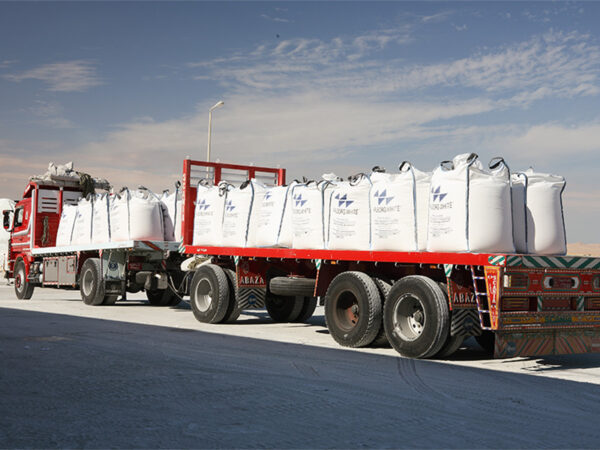
Bora Misr supplies white cement sourced from Sinai White Portland Cement for the Tanzanian market. The company supports customers looking for white cement for suitable construction, architectural, and decorative applications.
What Is Cement Quality?
Cement quality describes the physical and chemical characteristics of cement and its ability to perform according to its specified requirements. Quality is not determined by appearance alone. Cement that looks fine may still require testing and documentation to confirm that it meets the appropriate standards.
Different cement types are manufactured for different purposes. A cement product intended for general construction may have different characteristics from a product selected for specialized architectural or decorative work.
For this reason, construction professionals should evaluate cement according to its technical specifications and intended use. The product must be suitable for the project design and any applicable local requirements.
Why Is Cement Quality Important?
1. Supports the Required Strength
Cement contributes to the strength development of concrete and mortar. However, the final strength of concrete depends on several factors, including cement type, water-to-cement ratio, aggregate properties, mix proportions, compaction, and curing.
Selecting suitable cement and following an approved mix design can help construction teams achieve the required performance.
2. Helps Improve Consistency
Consistent cement properties are important when materials are used repeatedly across a construction project. Variations in cement or other ingredients may affect workability, setting behavior, strength development, or the appearance of finished surfaces.
3. Supports Durability Requirements
Durable concrete requires appropriate materials and construction practices. Cement selection should consider the exposure conditions, structural requirements, and relevant project specifications.
Good cement quality alone does not guarantee durability. Correct mix design, suitable aggregates, proper placement, and adequate curing are also essential.
4. Helps Achieve the Desired Finish
Cement quality can be particularly important in decorative and architectural applications. White cement, for example, is often selected for projects that require a light-colored cement base or a specific visual appearance.
Key Factors That Affect Cement Quality
Several properties are commonly considered when evaluating cement. The importance of each property depends on the cement type and the intended application.
| Quality Factor | What It Means | Why It Matters |
|---|---|---|
| Compressive strength | Ability of cement mortar or concrete to resist compression under specified test conditions | Helps assess strength requirements |
| Fineness | Particle size characteristics of cement | Can influence hydration and setting behavior |
| Setting time | Time required for cement paste to begin and complete setting under test conditions | Important for mixing, placing, and finishing |
| Consistency | Water requirement or behavior of cement paste in a specified test | Helps characterize cement properties |
| Soundness | Ability to maintain volume stability after setting | Helps evaluate potential expansion concerns |
| Product conformity | Compliance with applicable specifications and standards | Confirms suitability for the intended use |
How Is Cement Quality Tested?
Cement quality is evaluated through laboratory tests and product documentation. Testing should be performed using the relevant standards and suitable equipment by qualified personnel.
Compressive Strength Test
Compressive strength testing evaluates the ability of prepared cement mortar specimens to resist compression. Specimens are prepared and tested under controlled conditions, and the results are compared with the relevant product requirements.
The test result is not the same as the strength of every concrete structure made with that cement. Concrete performance depends on the complete mix design and construction process.
Setting Time Test
Setting time tests measure the time required for cement paste to reach specified stages of setting. This information helps assess whether the cement behaves within the limits required by its product specification.
Fineness Test
Fineness testing evaluates the particle size characteristics of cement. Fineness can influence hydration behavior and other properties, but it should be assessed together with the full technical specification rather than treated as a single measure of quality.
Soundness Test
Soundness testing evaluates the volume stability of cement under specified conditions. It is used to identify potential concerns related to excessive expansion after setting.
Chemical Analysis
Chemical tests may be used to determine the composition of cement and assess compliance with relevant requirements. The specific tests depend on the cement type and applicable standards.
How to Identify Suitable Quality Cement Before Buying
Buyers should not rely only on the cement bag’s appearance or a supplier’s marketing description. A careful purchasing process includes several practical checks.
- Review product specifications: Confirm the cement type, strength class, intended application, and applicable standard.
- Check product documentation: Request available technical data and relevant quality information.
- Inspect packaging: Look for damaged bags, moisture exposure, or signs of improper handling.
- Confirm product origin: Ask the supplier for clear information about the manufacturer and product source.
- Check storage conditions: Cement should be protected from moisture and contamination.
- Consult a qualified professional: Confirm that the selected cement is suitable for the project’s technical requirements.
Cement Quality for Different Construction Applications
The appropriate cement product depends on the type of work being carried out. Different applications may require different technical properties.
| Construction Application | Quality Considerations |
|---|---|
| Residential buildings | Follow structural specifications and approved mix designs |
| Commercial construction | Confirm project requirements and applicable standards |
| Concrete production | Evaluate cement properties alongside aggregates and mix proportions |
| Precast concrete products | Maintain consistent materials and controlled production procedures |
| Decorative finishes | Consider color, surface appearance, and compatibility with other materials |
| Architectural white concrete | Use suitable white cement and carefully controlled aggregates and mix design |
White Cement Quality for Decorative Projects
White cement is a specialized cement product used in applications where a light color or decorative appearance is important. It may be used in suitable formulations for architectural concrete, terrazzo, tiles, ornamental work, precast elements, and selected finishing applications.
The quality of white cement should be assessed through its technical specifications and relevant documentation. For decorative work, consistency of color and the characteristics of aggregates and other ingredients can also affect the final result.
Bora Misr supplies white cement sourced from Sinai White Portland Cement for customers in Tanzania. Buyers can learn more about the company through the Bora Misr website.
For additional background, see this overview of white cement.
How Proper Storage Protects Cement Quality
Cement can be affected by moisture and unsuitable storage conditions. Even a product that meets its specifications when supplied may deteriorate if it is stored incorrectly.
Keep Cement Dry
Store cement in a dry, covered area and protect it from rain, humidity, and water contact. Bags should not be placed directly on damp floors.
Protect Bags from Damage
Damaged packaging can expose cement to moisture and contamination. Handle bags carefully during loading, unloading, and storage.
Use Proper Stock Rotation
Organize stored cement so that older stock is used according to appropriate inventory procedures and supplier recommendations. Follow the manufacturer’s guidance regarding storage duration and product condition.
Choosing a Cement Supplier in Tanzania
A suitable supplier should provide clear product information and help customers understand the available supply arrangements. Contractors and distributors should consider the following when evaluating a cement supplier:
- Availability of relevant product specifications and documentation.
- Clear information about product origin and packaging.
- Ability to discuss the required quantity and purchasing schedule.
- Transparent quotation and transportation arrangements.
- Communication about order requirements and logistics.
Bora Misr supports the Tanzanian market with white cement sourced from Sinai White Portland Cement. The company works with construction businesses and customers seeking white cement for suitable architectural and decorative applications.
Learn more about the company on the Bora Misr About Us page.
Frequently Asked Questions About Cement Quality
What determines cement quality?
Cement quality is determined by its physical and chemical properties, compliance with applicable standards, and suitability for the intended application. Common evaluation factors include strength, setting time, fineness, and soundness.
Can cement quality be judged by color?
No. Color alone cannot confirm cement quality. Product specifications, technical documentation, and appropriate testing are more reliable ways to evaluate whether cement meets the required standards.
Does good cement guarantee strong concrete?
No. Concrete strength depends on cement quality as well as water-to-cement ratio, aggregates, mix proportions, compaction, curing, and workmanship. All these factors must be controlled.
How can cement quality be checked on a construction site?
Site teams can inspect packaging, check for moisture exposure, verify product identification, and review available documentation. Laboratory testing may be required when technical confirmation is necessary.
Where can I find white cement supply in Tanzania?
Buyers can contact suppliers serving Tanzania and request product specifications, quotation details, and logistics information. Bora Misr provides white cement supply information through its website.
Contact Bora Misr for White Cement Supply
Cement quality is an important consideration in construction, but achieving reliable results requires a complete approach. Selecting suitable materials, following approved mix designs, storing cement correctly, and applying proper construction practices all contribute to the performance of cement-based products.
For white cement supply inquiries in Tanzania, customers can contact Bora Misr to discuss product information, quantities, and supply arrangements. Visit the Bora Misr contact page to get in touch.
By evaluating cement quality carefully and working with suitable suppliers, contractors and construction businesses can make more informed material decisions for their projects.
لا تعليق