
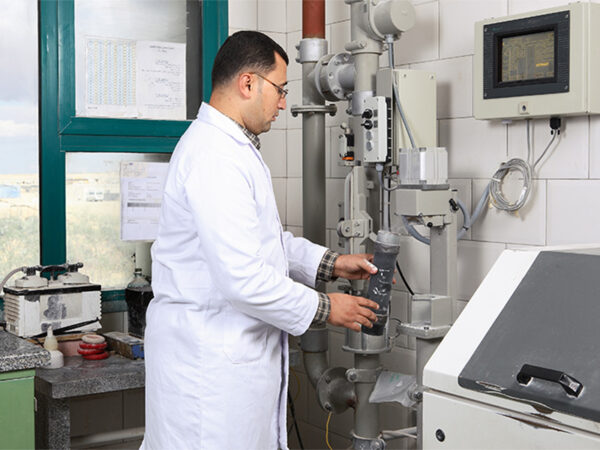
Concrete Product: Types, Uses and Applications in Construction
Concrete product is an essential part of modern construction, providing practical and durable solutions for residential, commercial, infrastructure, landscaping, and architectural projects. Concrete can be manufactured into many different products, from standard building components to decorative and specialized elements.
Concrete products are commonly produced by combining cement, aggregates, water, and, where required, approved admixtures. The exact mixture and manufacturing process depend on the intended product and the performance requirements of the project.
In Tanzania, contractors, developers, architects, precast manufacturers, and property owners can use different concrete products to improve construction efficiency, structural performance, appearance, and project consistency. This guide explains the main types of concrete products, their applications, the role of cement, and the factors to consider when selecting them.
What Is a Concrete Product?
A cement product is a manufactured or formed construction element made primarily from concrete. Unlike concrete that is mixed and placed directly at a construction site, many concrete products are produced in controlled manufacturing environments before being transported to the project.
Precast concrete products are particularly useful because they can be manufactured according to specific dimensions and designs. Depending on the application, they may be reinforced, prestressed, textured, colored, polished, or finished using different techniques.
The term can therefore cover a wide range of products used in construction and landscaping.
Common Types of Concrete Products
Concrete products vary according to their purpose, size, design, and manufacturing method. Some of the most common categories include:
- Concrete blocks.
- Precast concrete panels.
- Concrete paving products.
- Concrete pipes.
- Concrete kerbs.
- Concrete slabs.
- Precast columns and beams.
- Concrete drainage products.
- Decorative concrete elements.
- Terrazzo products.
- Architectural precast components.
- Concrete landscaping products.
Precast Concrete Products
Precast concrete is produced in molds or controlled manufacturing facilities before being transported to the construction site. This approach allows manufacturers to produce repeated components with controlled dimensions and consistent manufacturing procedures.
Precast products can be suitable for residential, commercial, industrial, and infrastructure projects. Their applications depend on their design, structural requirements, dimensions, reinforcement, and applicable standards.
Examples include precast wall panels, beams, columns, stairs, drainage components, paving units, and architectural elements.
Concrete Blocks
Concrete blocks are widely used in building construction for walls and partitions. They can be manufactured in different sizes and configurations depending on the intended application.
The performance of concrete blocks depends on factors such as cement quality, aggregate characteristics, mix proportions, manufacturing processes, curing, dimensions, and workmanship.
For structural applications, blocks should comply with the required technical specifications and be used according to the building design.
Concrete Paving Products
Concrete paving products are commonly used for pedestrian areas, driveways, walkways, courtyards, landscaping, parking areas, and other outdoor surfaces.
They may be produced in different shapes, sizes, textures, and colors. Decorative options can also be created by using suitable aggregates, pigments, molds, or finishing techniques.
For outdoor paving, the product should be selected according to expected traffic, environmental exposure, drainage requirements, and installation conditions.
Concrete Pipes and Drainage Products
Concrete is also used to manufacture drainage and water-management products. Concrete pipes, channels, culverts, and related components can be used in suitable infrastructure and drainage systems.
These products can help manage stormwater and other forms of water flow when correctly designed and installed. Their dimensions, reinforcement, strength, and jointing method should be selected according to the project’s engineering requirements.
Decorative Concrete Products
Not all concrete products are intended for structural purposes. Decorative concrete products can provide both functional and aesthetic value.
Examples include:
- Decorative wall panels.
- Garden elements.
- Architectural screens.
- Decorative paving units.
- Ornamental features.
- Precast architectural elements.
- Decorative planters.
- Landscaping components.
White cement can be particularly useful for selected decorative concrete products because its lighter color provides a suitable base for architectural finishes and customized designs.
The Role of Cement in Concrete Products
Cement is a key binding material in concrete production. The selection of cement should be based on the requirements of the concrete product, applicable standards, environmental conditions, and intended use.
For products where appearance is important, white cement can offer additional design possibilities. It may be used in suitable architectural concrete, decorative products, terrazzo, precast components, tiles, and ornamental applications.
White cement is especially valued for its light appearance and can be combined with suitable aggregates or pigments to achieve different visual effects.
For projects in Tanzania requiring premium white cement, Bora Misr supplies white cement for suitable architectural and decorative construction applications.
Concrete Product Manufacturing Process
The manufacturing process varies according to the product, but many precast concrete products follow several general stages.
- Product design: Dimensions, shape, reinforcement, and performance requirements are established.
- Material selection: Cement, aggregates, water, reinforcement, and other materials are selected according to the product specifications.
- Mixing: Concrete ingredients are combined according to the required mix design.
- Mold preparation: Molds are cleaned and prepared before concrete placement.
- Concrete placement: The concrete mixture is placed into the mold.
- Compaction: Appropriate methods are used to reduce unwanted voids and improve product consistency.
- Curing: The concrete is cured under suitable conditions to support the required development of properties.
- Demolding: The finished product is removed from the mold when appropriate.
- Inspection: Dimensions, appearance, and other required characteristics are checked.
- Storage and transportation: Products are handled and transported carefully to the construction site.
Benefits of Using Concrete Products
Concrete products can offer several advantages when they are appropriately designed and manufactured.
| Benefit | Application Advantage |
|---|---|
| Consistency | Controlled production can help maintain more uniform dimensions and appearance. |
| Versatility | Concrete can be formed into many shapes and sizes for different applications. |
| Durability | Properly designed concrete products can provide long-term service under suitable conditions. |
| Design flexibility | Products can be manufactured with different textures, colors and finishes. |
| Construction efficiency | Precast components can reduce the amount of forming and casting required directly on site. |
Concrete Products for Residential Construction
Concrete products can be incorporated into many residential construction projects. Depending on the design, homeowners and contractors may use concrete blocks, paving units, drainage components, precast stairs, decorative elements, and other products.
For residential developments, using standardized products can help simplify certain construction activities and improve consistency between repeated components.
However, structural products must be selected and installed according to approved architectural and engineering designs. A product that is suitable for one application may not be appropriate for another.
Concrete Products for Commercial Projects
Commercial construction projects can require large quantities of standardized construction components. Precast concrete products can be useful for offices, retail facilities, hotels, warehouses, industrial buildings, and other developments.
Architectural concrete products can also be used when the appearance of the building is an important part of the design. Facade panels, decorative elements, paving products, and other precast components can contribute to a consistent architectural style.
White Cement Concrete Products
White cement can be selected for concrete products where a light-colored or decorative appearance is required. Its use can be particularly valuable in products where the natural color of conventional grey cement would not provide the desired finish.
Potential applications include:
- Architectural precast elements.
- Decorative wall panels.
- Terrazzo products.
- Decorative paving.
- Ornamental concrete.
- Architectural facade components.
- Selected landscaping products.
White cement should be combined with suitable aggregates and other materials when required. Consistent batching and curing are particularly important for decorative products because variations can affect the final appearance.
How to Choose the Right Concrete Product
Selecting the right concrete product requires more than comparing dimensions and prices. Contractors should consider the intended application and the conditions under which the product will be used.
Important considerations include:
- Purpose: Determine whether the product is structural, functional, decorative, or a combination.
- Load requirements: Structural products must meet the required engineering specifications.
- Dimensions: Confirm that the product fits the architectural and construction drawings.
- Environmental exposure: Consider moisture, temperature, traffic, and other site conditions.
- Appearance: For decorative products, evaluate color, texture, aggregate, and surface finish.
- Quality: Confirm that the product meets the applicable specifications and standards.
- Transportation: Ensure the product can be safely delivered and handled.
- Supplier reliability: Choose a supplier or manufacturer capable of maintaining consistent supply.
Quality Control for Concrete Products
Quality control is essential when manufacturing concrete products. The final performance can be influenced by the quality of raw materials, mix proportions, molds, compaction, curing, storage, and transportation.
Manufacturers should maintain appropriate production controls and inspect products according to their intended use. Contractors should also inspect delivered products for visible damage, dimensional issues, or other problems before installation.
For structural products, testing and acceptance should follow the relevant project specifications and applicable standards.
Concrete Product Supply in Tanzania
The availability of reliable construction materials is important for maintaining project schedules in Tanzania. Contractors and developers may require concrete products in different quantities depending on the size and stage of the project.
Planning cement and other raw-material requirements in advance can help manufacturers and contractors manage production and delivery more effectively.
For projects that use white cement in decorative or architectural concrete products, Bora Misr provides premium white cement supply in Tanzania for contractors, distributors, and construction businesses.
For additional information about the company and its supply activities, visit the Bora Misr About Us page.
Storage and Handling of Concrete Products
Concrete products should be stored and handled carefully to prevent damage before installation. Products should be placed on suitable surfaces and protected from unnecessary impact during loading, transportation, and unloading.
Large or heavy components may require appropriate lifting equipment and handling procedures. The manufacturer’s recommendations should be followed to avoid cracking, chipping, or other damage.
For cement used in manufacturing concrete products, storage should protect the material from moisture and contamination.
Frequently Asked Questions About Concrete Products
What is a concrete product?
A concrete product is a construction component manufactured or formed primarily from concrete. Examples include blocks, paving units, pipes, panels, kerbs, slabs, drainage components, and decorative elements.
What are precast concrete products?
Precast concrete products are concrete components manufactured in molds or controlled production facilities before being transported to the construction site for installation.
Can white cement be used to make concrete products?
Yes. White cement can be used for suitable concrete products, particularly architectural and decorative components where a light-colored appearance is desired. The cement must meet the technical requirements of the intended application.
What affects the quality of a concrete product?
Material quality, mix proportions, manufacturing procedures, compaction, curing, mold quality, handling, storage, and transportation can all influence the final quality of a concrete product.
Where can I source white cement for concrete products in Tanzania?
Bora Misr supplies premium white cement in Tanzania for suitable construction, architectural, and decorative applications. Contractors and businesses can contact the company to discuss their project requirements.
Conclusion
Concrete products provide versatile solutions for residential, commercial, architectural, infrastructure, and landscaping projects. Their wide range of forms and applications allows contractors and designers to select products according to structural, functional, and aesthetic requirements.
From concrete blocks and paving units to precast panels, drainage components, architectural elements, and decorative products, each product should be selected according to its intended use and applicable technical requirements.
For decorative and architectural concrete products, white cement can provide additional design flexibility through its light color and compatibility with selected aggregates and finishes. Reliable material supply is therefore an important part of maintaining consistent production.
For white cement requirements in Tanzania, Bora Misr provides premium white cement for contractors, distributors, and construction businesses working on suitable concrete and architectural applications.
لا تعليق