
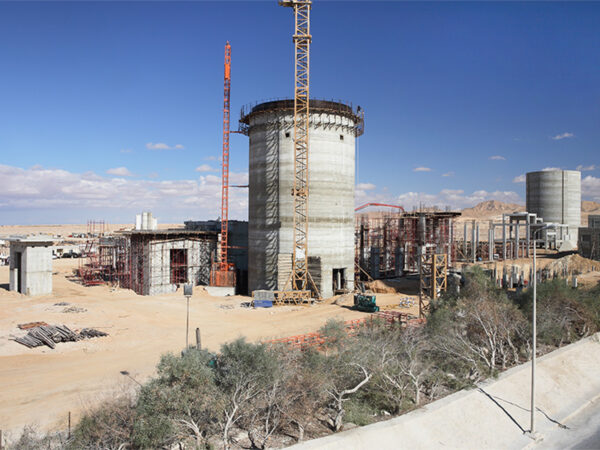
Cement Distributor: How to Choose the Right Supply Partner in Tanzania
Choosing the right cement distributor is an important decision for contractors, construction companies, building-material retailers, developers, and businesses involved in the construction industry. A dependable distributor helps customers access suitable cement products, organize orders, manage transportation, and maintain a consistent supply for different types of projects.
In Tanzania, the demand for construction materials supports a wide range of residential, commercial, industrial, and infrastructure projects. As construction requirements differ from one project to another, buyers need to understand the available cement options and identify distributors capable of supplying products that meet their technical and logistical requirements.
Whether a business needs cement for general construction or white cement for decorative and architectural applications, selecting a suitable supply partner requires more than comparing prices. Product specifications, documentation, order quantities, packaging, transportation, and communication all contribute to a successful purchasing experience.
Bora Misr supports businesses seeking premium white cement supplies in Tanzania, serving contractors, distributors, and construction companies interested in suitable materials for their projects.
What Is a Cement Distributor?
A cement distributor is a business that supplies cement products to customers such as retailers, contractors, construction companies, building-material suppliers, and other commercial buyers. Distributors connect manufacturers or suppliers with businesses that need cement for construction, manufacturing, and finishing applications.
Depending on the business model, a distributor may handle several activities, including:
- Product sourcing: Obtaining cement from manufacturers or established supply channels.
- Order management: Receiving customer requirements and coordinating quantities and product specifications.
- Bulk supply: Arranging larger orders for contractors, developers, and commercial customers.
- Transportation coordination: Organizing the movement of cement to warehouses, retail locations, or construction sites.
- Product information: Helping customers understand available cement types and their intended applications.
- Business communication: Providing quotations, order updates, and relevant purchasing information.
A distributor’s responsibilities can vary according to the products offered and the agreements established with manufacturers and customers. Buyers should clarify exactly which services are included before confirming an order.
Why Is Choosing the Right Cement Distributor Important?
Cement is a fundamental material in many construction activities. Delays, unsuitable products, poor storage, or unclear delivery arrangements can affect project schedules and increase operating costs. Working with an appropriate distributor helps businesses organize procurement and make better-informed material decisions.
1. More Organized Material Procurement
Construction projects often require different materials at different stages. A distributor that understands the order requirements can help coordinate product quantities, packaging, and delivery arrangements according to the customer’s purchasing plan.
2. Access to Suitable Cement Products
Not every cement product is appropriate for every application. A distributor should provide clear product information so customers can compare available options and verify whether a particular product meets their project specifications.
3. Better Delivery Planning
Transportation is an important part of cement procurement, especially when materials need to travel long distances or reach sites with specific access requirements. Clear communication about delivery destinations, unloading arrangements, and expected schedules helps reduce avoidable confusion.
4. Improved Purchasing Decisions
When buyers receive clear quotations and product details, they can compare alternatives more accurately. This makes it easier to evaluate the total purchasing cost rather than focusing only on the initial price per bag or shipment.
Types of Cement Available for Construction and Commercial Applications
Different cement products are designed for different applications. Buyers should identify their intended use and review the technical documentation before selecting a product.
Ordinary Portland Cement
Ordinary Portland Cement is widely used in construction applications such as concrete production, masonry, and other cement-based works, subject to the product’s specifications and applicable standards. Contractors generally select the appropriate cement type according to engineering requirements and the approved mix design.
White Portland Cement
White Portland Cement is valued for its light color and its use in selected decorative and architectural applications. It may be suitable for decorative concrete, terrazzo, tiles, ornamental elements, and light-colored finishes, depending on its specifications and the requirements of the intended application.
Its lighter base color can provide greater flexibility when producing certain decorative finishes or working with compatible pigments. However, the final appearance depends on the aggregates, mix proportions, pigments, water content, curing conditions, and finishing methods.
Blended Cement
Blended cement products combine Portland cement with other suitable cementitious materials. Their characteristics and applications depend on the composition, manufacturing process, and applicable product standards. Buyers should review the technical documentation to determine whether a particular blended product is appropriate for the project.
Specialized Cement Products
Some projects require cement products with specific characteristics for particular construction conditions or applications. These requirements should be identified by the project engineer or qualified construction professional before procurement. A distributor should be able to provide accurate product information rather than making assumptions about suitability.
White Cement Distribution in Tanzania
White cement serves a different market segment from many conventional cement products because its appearance is an important consideration in several applications. Contractors, precast manufacturers, decorative finishing companies, and building-material retailers may require white cement for projects where a light-colored cement-based material is preferred.
In Tanzania, potential applications include:
- Architectural finishes: Light-colored surfaces and selected decorative wall treatments.
- Terrazzo flooring: Decorative flooring systems using suitable aggregates and cementitious binders.
- Precast elements: Selected architectural panels, ornaments, and decorative concrete components.
- Decorative tiles: Cement-based tile production where the material specifications are appropriate.
- Landscape features: Decorative planters, ornaments, and other architectural details.
- Colored cement applications: Finishes using compatible pigments and carefully controlled mixing procedures.
White cement should not be selected for structural applications simply because of its color. Its suitability for any structural use must be confirmed through the product specifications, approved mix design, applicable standards, and qualified engineering review.
For additional background, you can read about white cement and its general characteristics.
How to Choose a Reliable Cement Distributor
Before selecting a distributor, buyers should assess several practical and technical factors. A careful evaluation helps reduce purchasing risks and ensures that the supplied material is suitable for the intended application.
Check Product Specifications and Documentation
Ask for clear information about the cement type, manufacturer, packaging, applicable standards, and intended applications. If a project requires a particular specification, verify that the offered product meets it before placing an order.
Evaluate Supply Capacity
Contractors and retailers may have different purchasing requirements. Some need small quantities for individual projects, while others require recurring or bulk supplies. Buyers should discuss the required quantities and procurement schedule to determine whether the distributor can accommodate their needs.
Compare Quotations Carefully
A useful quotation should make the purchasing conditions clear. It is important to compare equivalent products, quantities, packaging, delivery destinations, and payment terms. Buyers should also ask whether transportation, unloading, or other services involve additional charges.
Review Transportation and Delivery Arrangements
Ask how the order will be transported, where it will be delivered, and what arrangements are needed at the receiving location. For larger shipments, confirm the expected schedule and the responsibilities of each party.
Assess Communication and Customer Support
Reliable communication makes procurement easier. Buyers should work with distributors who provide understandable quotations, answer product-related questions, and communicate clearly about order status and any changes to delivery arrangements.
Bulk Cement Orders: What Buyers Need to Know
Bulk purchasing can be useful for construction companies, major contractors, retailers, and businesses with recurring material requirements. However, ordering large quantities requires careful planning to avoid unnecessary expenses and storage problems.
Before arranging a bulk cement order, consider the following points:
- Calculate the required quantity: Use project drawings, measurements, and approved mix designs to estimate material consumption.
- Confirm the product type: Make sure the selected cement matches the intended application and project specifications.
- Discuss packaging: Confirm the available packaging format and whether it meets your handling and storage requirements.
- Check storage capacity: Ensure that the warehouse or construction site can protect the cement from moisture and contamination.
- Plan transportation: Confirm the destination, unloading arrangements, and delivery schedule.
- Review the quotation: Understand the total cost and all applicable commercial terms before confirming the order.
Large orders should be coordinated with actual project consumption and available storage capacity. Buying more cement than can be stored properly may create avoidable waste and financial losses.
Common Challenges in Cement Distribution
Cement distribution involves commercial, logistical, and material-handling challenges. Understanding these issues helps both distributors and customers establish more effective purchasing arrangements.
| Challenge | Possible Effect | Recommended Approach |
|---|---|---|
| Transportation delays | Disruption to construction schedules | Confirm delivery arrangements and maintain communication. |
| Incorrect product selection | Material may not meet project requirements | Review specifications and intended applications before ordering. |
| Poor storage conditions | Moisture exposure and material wastage | Use dry, protected storage and follow manufacturer guidance. |
| Unclear pricing | Unexpected purchasing expenses | Request detailed quotations with applicable costs explained. |
| Unplanned stock requirements | Shortages or excess inventory | Estimate demand and coordinate orders with consumption. |
| Inadequate product information | Difficulty evaluating suitability | Request technical documentation and verify relevant standards. |
How to Store and Handle Cement Correctly
Proper storage is essential for maintaining cement quality between delivery and use. Cement can be affected by moisture and unsuitable handling conditions, so distributors, retailers, and contractors should establish appropriate storage procedures.
- Store cement in a dry, covered, and well-protected area.
- Keep bags away from direct contact with floors and moisture.
- Protect stored materials from rain and water leakage.
- Keep packaging intact until the cement is needed.
- Organize stock to support appropriate inventory rotation.
- Inspect deliveries and stored products for damaged packaging or signs of moisture exposure.
- Follow the manufacturer’s recommendations for storage and handling.
Distributors should also pay attention to transportation and warehouse conditions. Good handling practices help protect the product and support a more dependable supply process.
Why Consider Bora Misr for White Cement Supply in Tanzania?
Businesses looking for a white cement supply partner need clear product information, suitable purchasing arrangements, and communication that supports their commercial requirements. Bora Misr focuses on supplying premium white cement in Tanzania, serving contractors, distributors, and construction businesses.
Bora Misr sources white cement from Sinai White Portland Cement and supports customers interested in white cement for appropriate decorative, architectural, and construction-related applications. Product selection should always be based on the technical requirements of the intended project.
Whether you are a contractor planning a project, a retailer evaluating supply options, or a business considering a bulk purchase, preparing your requirements in advance can make the purchasing process more efficient.
Before requesting a quotation, prepare the following information:
- The required cement product and intended application.
- The estimated order quantity.
- Your preferred packaging requirements, if applicable.
- The delivery destination in Tanzania.
- Your expected procurement schedule.
- Any technical specifications or documentation required for the project.
You can learn more about Bora Misr and its services, explore the Tanzania cement information section, or review related content in the cement prices category.
For inquiries about white cement supply, quantities, and purchasing arrangements, visit the official Bora Misr contact page.
Frequently Asked Questions About Cement Distributors
What does a cement distributor do?
A cement distributor supplies cement products to retailers, contractors, construction companies, and other commercial customers. Depending on the business, services may include product sourcing, order coordination, bulk supply, and transportation arrangements.
How can I find a suitable cement distributor in Tanzania?
Compare product specifications, documentation, supply capacity, quotations, delivery arrangements, and communication. Always verify that the offered cement meets the requirements of your intended application.
Can a cement distributor supply bulk orders?
Some distributors handle bulk orders for contractors, retailers, and construction businesses. Buyers should confirm available quantities, packaging, transportation arrangements, and commercial terms directly with the supplier.
What is the difference between grey cement and white cement?
The main visible difference is color. White cement has a lighter appearance and is commonly considered for decorative and architectural applications. The technical properties and suitable uses of either product must be checked against its specifications.
Is white cement suitable for decorative construction?
Yes, white cement is used in various decorative applications, including terrazzo, tiles, ornamental concrete, and selected architectural finishes. The final result depends on the product, mix design, aggregates, pigments, curing, and finishing method.
What information should I provide when requesting a cement quotation?
Provide the cement type, estimated quantity, intended application, delivery location, packaging requirements, and preferred schedule. Include any project specifications that the supplier needs to consider.
How should cement be stored after delivery?
Cement should be kept in dry, covered storage, protected from moisture and contamination. Follow the manufacturer’s storage instructions and inspect packaging before use.
Conclusion
Selecting the right cement distributor is an important part of managing construction procurement in Tanzania. Contractors, retailers, and commercial buyers should consider product suitability, technical documentation, supply capacity, bulk-order arrangements, transportation, and storage conditions before choosing a supplier.
Good purchasing decisions begin with understanding the project’s requirements and comparing products on a consistent basis. Whether the requirement involves general construction materials or white cement for decorative and architectural applications, checking specifications and confirming delivery details can help reduce avoidable problems.
Bora Misr provides a supply option for businesses seeking premium white cement in Tanzania, with products sourced from Sinai White Portland Cement. By communicating your requirements clearly and reviewing the available supply arrangements, you can take a more organized approach to sourcing cement for your business or construction project.
لا تعليق