
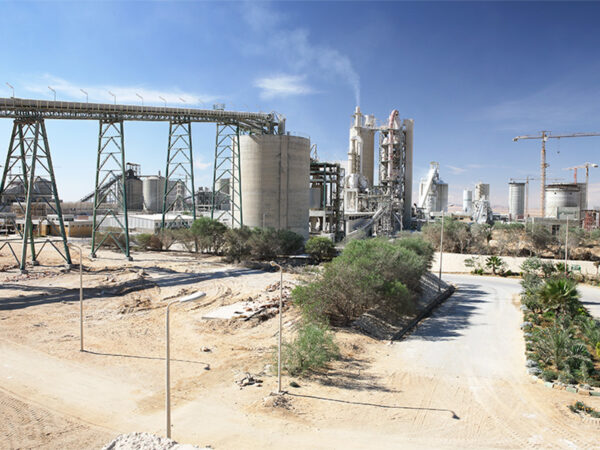
Cement Construction: Types, Uses, Applications and Expert Guide
The success of any construction project depends on selecting suitable materials, maintaining consistent quality, and ensuring that essential supplies are available when needed. cement construction is at the heart of many residential, commercial, industrial, infrastructure, and architectural projects because cement is a fundamental binding material used in concrete, mortar, plaster, precast products, and other construction systems.
For contractors, engineers, developers, distributors, and procurement professionals, understanding how cement is selected and used can help improve project planning and material efficiency. The right cement product should be chosen according to the application, technical specifications, environmental conditions, required performance, and delivery requirements.
For businesses operating in Tanzania and other African markets, reliable material availability is equally important. Bora Misr provides premium white cement solutions sourced from Sinai White Portland Cement, supporting professional customers with supply and logistics capabilities.
What Is cement Construction?
The term cement construction describes construction activities in which cement is used as a primary binding material. Cement can be combined with water and aggregates to produce concrete or mixed with other materials to create mortar, plaster, grout, and different cement-based products.
Cement itself should not be confused with concrete. Cement is a binder, while concrete is a composite material that normally contains cement, water, fine aggregate, coarse aggregate, and, where required, chemical or mineral admixtures.
The performance of a cement-based construction system depends on several factors, including cement quality, mix proportions, water content, aggregate properties, placement, compaction, finishing, and curing.
Why Cement Is Important in Construction
Cement has remained one of the most important construction materials because of its versatility and ability to bind other materials into durable cement-based systems.
Structural Construction
Cement is a key ingredient in concrete used for foundations, columns, beams, slabs, retaining structures, and other structural elements when designed according to engineering requirements.
Masonry Construction
Cement-based mortar is widely used to join masonry units and create stable wall systems.
Finishing Applications
Cement can be used in selected plastering, flooring, rendering, and surface-finishing applications.
Architectural Construction
White cement can provide additional design flexibility for decorative concrete, façades, terrazzo, tiles, precast elements, and other architectural products.
Types of Cement Used in Construction
Different construction projects may require different cement products. Selection should be based on technical requirements and the intended application rather than appearance or price alone.
Ordinary Portland Cement
Ordinary Portland cement is widely used for general construction applications and can be incorporated into concrete and mortar systems where its characteristics meet the project requirements.
White Portland Cement
White Portland cement is manufactured to achieve a bright colour and is particularly valuable in architectural and decorative applications. It can be used in suitable concrete products, terrazzo, tiles, decorative finishes, and precast architectural elements.
Blended Cement
Blended cement contains additional cementitious materials and may provide particular performance characteristics depending on its formulation. Its suitability should be evaluated according to project specifications.
Specialised Cement Products
Certain construction environments may require cement products with specific performance characteristics. Engineers and technical professionals should select the appropriate material according to the design and exposure conditions.
Common Applications of Cement Construction
Cement is used throughout multiple stages of construction, from structural work to architectural finishing.
- Foundations: Cement is a key component of concrete used in many foundation systems.
- Columns and beams: Cement-based concrete can be designed for structural applications.
- Floor slabs: Concrete provides stable and durable surfaces for many building types.
- Masonry: Cement-based mortar is commonly used for block and brick construction.
- Plastering: Cement-based mixes can be used for selected wall and surface finishes.
- Roads and infrastructure: Cement-based concrete can be used in pavements, roads, drainage structures, and related infrastructure.
- Precast products: Cement is used in numerous structural and decorative precast elements.
- Decorative construction: White cement can support architectural surfaces and decorative products.
Benefits of Using Quality Cement in Construction
Selecting suitable cement can contribute to consistent performance when the complete construction process is properly controlled.
- Versatility: Cement can be used in a wide range of construction applications.
- Strength development: Cement contributes to the strength of concrete and other cement-based materials.
- Durability: Properly designed and cured cement-based materials can provide long-term performance.
- Architectural flexibility: White cement can provide a bright base for decorative and architectural applications.
- Material compatibility: Cement can be combined with aggregates, water, admixtures, and other materials according to suitable mix designs.
- Wide application range: Cement supports residential, commercial, industrial, and infrastructure construction.
How to Choose Cement for Construction
Understand the Project Requirements
Before purchasing cement, identify the intended application and the performance requirements of the project. Structural concrete, masonry, plastering, decorative concrete, and precast products may require different considerations.
Check Technical Specifications
The selected cement should meet the applicable project specifications and relevant standards. For structural applications, qualified engineers should determine the appropriate requirements.
Consider Environmental Exposure
Temperature, humidity, water exposure, salts, and other environmental conditions can influence material selection and concrete design.
Evaluate Supplier Reliability
A technically suitable cement product is only useful when it can be supplied consistently. Contractors should consider supplier capacity, order quantities, delivery schedules, and logistics.
Compare Total Cost
The purchasing decision should consider product price, transportation, handling, storage, delivery, and possible costs associated with supply delays.
For professional cement supply in Tanzania, explore
Bora Misr construction cement solutions.
Cement Construction and Concrete Quality
Concrete quality is influenced by the interaction between cement, water, aggregates, admixtures, and construction practices. Selecting a suitable cement is important, but it is only one part of achieving the desired concrete performance.
Water-to-Cement Ratio
The amount of water relative to cement can significantly influence concrete properties. Excessive water can change the mix and may reduce the expected performance of hardened concrete.
Aggregate Quality
Aggregates should be appropriate for the intended concrete application and should meet the required quality and grading specifications.
Mixing
Consistent mixing helps distribute cement, water, and aggregates throughout the concrete mixture.
Compaction
Appropriate compaction helps reduce unwanted voids and supports the production of a more uniform concrete structure.
Curing
Proper curing provides conditions that support cement hydration and strength development after concrete placement.
Common Mistakes in Cement Construction
Choosing Cement Only According to Price
The lowest purchase price does not necessarily represent the best value. Product suitability, quality, availability, transportation, and technical support should also be considered.
Adding Excess Water
Uncontrolled water addition can alter an approved concrete mix and potentially affect its final properties.
Ignoring Storage Conditions
Cement should be protected from moisture during transportation and storage. Poor storage can affect the material before it reaches the construction process.
Failing to Plan Quantities
Poor procurement planning can result in shortages or unnecessary inventory. Cement requirements should be estimated according to the construction programme.
Using an Unsuitable Product
Not every cement product is appropriate for every application. Buyers should confirm technical suitability before ordering.
Cement Construction in Tanzania
Tanzania’s construction sector includes residential developments, commercial buildings, industrial facilities, infrastructure projects, hospitality developments, and architectural construction. Each of these sectors requires dependable access to suitable construction materials.
For contractors and distributors, cement availability can have a direct impact on project scheduling. Delays can affect concrete production, masonry, plastering, precast manufacturing, and other activities.
This makes supplier selection an important part of construction procurement. Buyers should evaluate supply capacity, logistics, product quality, delivery schedules, and communication when selecting a long-term cement partner.
Bora Misr provides premium white cement supply solutions for customers in Tanzania and supports professional construction and distribution businesses.
For additional information, visit
Bora Misr’s official website.
White Cement in Architectural Construction
White cement offers a distinctive advantage for projects where visual appearance is important. Its bright colour can provide a clean base for architectural and decorative cement-based products.
Common applications include decorative concrete, façades, terrazzo, tiles, precast architectural elements, ornamental products, and selected premium finishes.
Designers can combine white cement with suitable aggregates and pigments to create different colours and textures. However, achieving a consistent finish requires control over the complete mix design, materials, moulds, finishing methods, and curing process.
Learn more about
white cement applications
for architectural and decorative projects.
Cement Construction Comparison
| Cement Type | Typical Applications | Main Consideration |
|---|---|---|
| Ordinary Portland Cement | General construction and concrete | Suitable for many standard applications when project requirements are met. |
| White Portland Cement | Architectural and decorative applications | Bright colour and design flexibility. |
| Blended Cement | Selected construction and concrete applications | Performance depends on formulation and project requirements. |
Expert Tips for Better Cement Construction
- Determine the intended application before selecting cement.
- Review technical specifications and applicable standards.
- Use appropriate mix designs for concrete applications.
- Control water addition carefully.
- Use suitable and properly graded aggregates.
- Ensure proper placement and compaction.
- Follow suitable curing practices.
- Store cement in a dry and protected environment.
- Plan cement purchases according to project consumption.
- Choose a supplier with dependable logistics and supply capacity.
Modern Trends in Cement Construction
The construction industry is increasingly focused on material efficiency, durability, architectural quality, reliable procurement, and improved logistics. These priorities are influencing how contractors and developers select cement products.
Architectural construction is also creating opportunities for specialised products such as white cement. Residential developments, hotels, commercial buildings, public spaces, and premium architectural projects may use white cement to achieve distinctive finishes.
At the procurement level, construction companies are paying greater attention to supply-chain reliability. A supplier that can coordinate product availability, transportation, delivery schedules, and customer communication can provide additional value beyond the cement product itself.
Why Choose Bora Misr for Cement Construction Solutions?
Bora Misr provides premium white cement solutions for professional customers in Tanzania. The company sources its premium white cement from Sinai White Portland Cement and supports customers through export and logistics capabilities.
The company serves contractors, distributors, developers, and construction businesses that require quality white cement for architectural, decorative, residential, commercial, and other suitable applications.
Professional buyers can discuss product requirements, quantities, delivery destinations, and project needs with the company before placing an order.
Contact Bora Misr for cement construction solutions.
Conclusion
Cement construction is fundamental to modern building because cement serves as a key binding material in concrete, mortar, plaster, precast products, infrastructure, and architectural applications.
Successful results depend on more than cement selection. Contractors must also consider mix design, aggregate quality, water content, placement, compaction, curing, storage, and overall construction workmanship.
For businesses in Tanzania, dependable supply is equally important. Selecting a supplier with suitable products, reliable logistics, consistent communication, and adequate supply capacity can help reduce procurement risks and support project schedules.
For architectural and decorative projects, premium white cement can provide additional design possibilities through its bright colour and compatibility with selected decorative applications.
If you need reliable white cement supply for your construction project in Tanzania, visit
Bora Misr
or
contact the company
to discuss your requirements.
Frequently Asked Questions About Cement Construction
1. What is cement construction?
Cement construction refers to construction activities that use cement as a binding material in concrete, mortar, plaster, grout, precast products, and other cement-based systems.
2. What is cement used for in construction?
Cement is used in foundations, structural concrete, slabs, masonry, plastering, flooring, infrastructure, precast products, and architectural applications.
3. What is the difference between cement and concrete?
Cement is a binding ingredient, while concrete is a composite material made from cement, water, aggregates, and sometimes admixtures.
4. Is white cement suitable for construction?
Yes. White cement can be used in suitable construction, architectural, and decorative applications where its bright colour and appearance provide an advantage.
5. How can I select suitable cement for a project?
Evaluate the intended application, technical specifications, environmental exposure, required performance, quantity, storage conditions, and supplier reliability.
6. Why is supplier reliability important?
Reliable suppliers can help ensure that the required cement quantities are available when needed, supporting construction schedules and reducing the risk
لا تعليق