
Concrete Portland Tanzania: A Guide to Materials, Applications, and Construction Quality
Concrete is one of the most widely used construction materials in Tanzania. It plays an essential role in residential buildings, commercial developments, industrial facilities, roads, foundations, and infrastructure projects. Among the materials used in concrete production, Portland cement is particularly important because it acts as the binding ingredient that holds aggregates together and contributes to the hardened concrete structure.
Understanding Portland Concrete helps contractors, engineers, developers, and construction businesses make better decisions about material selection, mix proportions, placement, and quality control. The performance of concrete does not depend on cement alone. It is also influenced by aggregate quality, water content, mixing procedures, curing conditions, workmanship, and the requirements of the project.
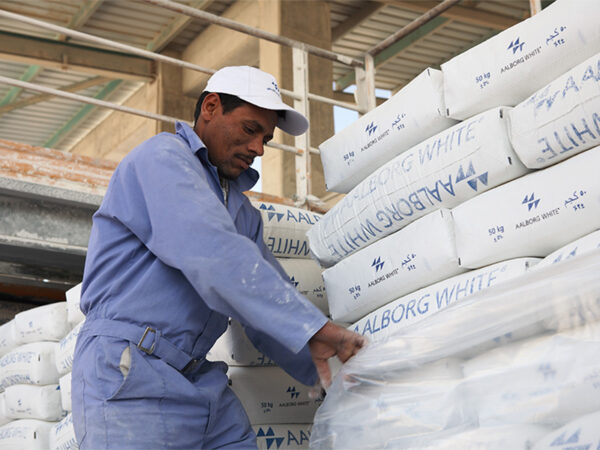
For construction projects in Tanzania, selecting suitable cement and coordinating a reliable supply process are important steps toward achieving consistent results. Businesses looking for premium white cement for suitable architectural and decorative applications can explore the supply solutions offered by Bora Misr.
What Is Portland Concrete?
Portland concrete is concrete produced using Portland cement as its binding material, together with water and aggregates such as sand and gravel or crushed stone. Depending on the project requirements, approved admixtures may also be added to modify certain properties of the fresh or hardened concrete.
When water is added to Portland cement, a chemical process called hydration begins. The cement reacts with water and forms compounds that gradually bind the aggregate particles together. As hydration continues, the concrete develops strength and becomes a solid construction material.
The quality of the final concrete depends on several interconnected factors, including:
- Cement type: The selected cement must meet the specifications and intended use of the project.
- Aggregate quality: Sand, gravel, and crushed stone should have suitable properties and comply with the relevant requirements.
- Water quality: Mixing water should be appropriate for concrete production.
- Water-cement ratio: The relationship between water and cement significantly affects concrete properties.
- Mixing and placement: Proper procedures help achieve a uniform mixture and reduce defects.
- Curing: Appropriate curing supports hydration and the development of concrete properties.
Understanding Portland Cement in Concrete Production
Portland cement is a hydraulic cement. This means it reacts with water and can harden through hydration, including under suitable conditions where water is present. It is widely used in concrete, mortar, and other cement-based construction materials.
Portland cement is manufactured by processing carefully selected raw materials at high temperatures to produce clinker, which is then ground with a controlled amount of gypsum and, depending on the cement type, other permitted constituents.
Its role in concrete production is to create the binding paste that surrounds and connects aggregate particles. The cement paste also contributes to the workability of fresh concrete and the development of strength after hardening.
Why Is Portland Cement Important?
- It provides the binding action required to produce concrete.
- It supports the development of concrete strength through hydration.
- It can be used in a wide range of construction applications when the appropriate cement type is selected.
- It works with different aggregate combinations and approved mix designs.
- It supports the production of concrete for structural, commercial, residential, and infrastructure projects.
Not all Portland cement products have identical properties. Contractors should check the product classification, technical documentation, and applicable standards before using a particular cement in a project.
Main Components of Portland Concrete
Concrete is a composite material. Each component has a specific function, and the proportions must be selected according to the intended application and engineering requirements.
1. Portland Cement
Cement acts as the binder. When mixed with water, it forms a paste that surrounds the aggregates and hardens through hydration. The selected cement must be appropriate for the required concrete properties and project specifications.
2. Fine Aggregates
Fine aggregates generally include natural sand or manufactured sand that meets the required grading and quality specifications. They fill spaces between larger aggregate particles and contribute to the workability and overall composition of the concrete mixture.
3. Coarse Aggregates
Coarse aggregates include gravel or crushed stone. Their size, shape, grading, strength, and cleanliness can influence concrete performance. The selected aggregate must be compatible with the structural dimensions and placement requirements.
4. Water
Water is necessary for cement hydration and helps create a workable mixture. However, adding excessive water can negatively affect concrete strength and durability. The quantity and quality of water should therefore be controlled according to the approved mix design.
5. Chemical Admixtures
Some concrete mixes include chemical admixtures to modify properties such as workability, setting behavior, or water demand. Their use should follow the manufacturer’s instructions and be evaluated as part of the approved mix design.
Common Applications of Portland Concrete in Tanzania
Portland concrete is used in many construction sectors throughout Tanzania. The appropriate concrete mixture depends on the structural design, exposure conditions, construction method, and applicable technical requirements.
Residential Buildings
Concrete is commonly used in residential construction for foundations, columns, beams, slabs, staircases, and other building components. Engineers specify the required concrete properties according to structural loads, soil conditions, and design requirements.
Commercial Developments
Offices, shopping centers, hotels, warehouses, and other commercial buildings use concrete in structural and non-structural applications. Contractors must coordinate concrete production and placement with construction schedules and engineering specifications.
Roads and Infrastructure
Concrete can be used in selected road construction, drainage systems, bridges, culverts, and other infrastructure components. These applications require appropriate mix designs and quality-control procedures based on expected loads and environmental conditions.
Industrial Facilities
Factories, workshops, storage facilities, and industrial buildings may use concrete for foundations, floors, structural elements, and equipment support areas. Special attention may be required where surfaces are exposed to heavy loads, chemicals, abrasion, or other demanding conditions.
Precast Concrete Products
Portland cement is also used in the production of precast concrete components. These may include paving units, blocks, panels, drainage elements, and other products manufactured under controlled conditions.
White Portland Cement and Decorative Concrete
In addition to conventional Portland cement products, white Portland cement is used in applications where the appearance of the finished material is important. Its light color makes it suitable for selected decorative and architectural applications when the product specifications meet the project’s requirements.
White cement may be considered for:
- Decorative concrete surfaces and architectural finishes.
- Terrazzo flooring and decorative flooring systems.
- Light-colored cement-based tiles.
- Precast architectural components and ornamental elements.
- Decorative wall treatments and selected facade details.
- Colored cement finishes using compatible pigments.
The final color and appearance depend on more than the cement itself. Aggregate selection, pigment compatibility, water content, mixing consistency, curing, and finishing techniques all influence the result.
White cement should not automatically be treated as a substitute for any grey cement product. Its use in structural applications must be supported by technical specifications, an approved mix design, applicable standards, and qualified engineering approval.
For more general information, visit the white cement reference page.
How to Prepare a Suitable Portland Concrete Mix
Concrete mix design is the process of selecting suitable materials and determining their proportions to achieve the properties required by a particular project. It should be based on engineering requirements and relevant standards rather than relying on one universal cement-to-sand-to-aggregate ratio.
Several factors influence the mix design:
- Required strength: The specified concrete strength must be appropriate for the structural or construction application.
- Workability: The mixture should be suitable for the available mixing, transportation, placement, and compaction methods.
- Aggregate grading: Suitable particle sizes and proportions help produce a well-composed mixture.
- Water-cement ratio: Water content must be controlled to achieve the required properties.
- Environmental exposure: Exposure to moisture, heat, chemicals, or other conditions may affect material selection and durability requirements.
- Construction method: Pumping, casting, precast production, and other methods may require different workability characteristics.
For structural projects, a qualified engineer or concrete specialist should determine and approve the mix design. Trial mixes and appropriate testing may be required before full-scale production begins.
Quality Control During Concrete Production
Good concrete quality depends on consistent procedures throughout production and construction. Contractors should establish suitable checks for materials, mixing, placement, and curing.
Inspect Cement and Aggregates
Check cement packaging and product identification when deliveries arrive. Aggregates should also be assessed for grading, cleanliness, and other relevant properties. Materials that do not meet the project requirements should not be used without appropriate technical review.
Measure Materials Accurately
Accurate batching helps maintain consistency between concrete batches. Cement, water, and aggregates should be measured according to the approved mix design. Uncontrolled changes in proportions can affect workability and hardened concrete properties.
Monitor Mixing and Placement
Mixing should provide a uniform distribution of materials. During placement, contractors should follow suitable procedures to avoid segregation, excessive delays, and unnecessary disturbance. Compaction should be appropriate for the mixture and construction element.
Apply Proper Curing
Curing helps maintain conditions that support cement hydration. Depending on the project, methods may include maintaining moisture or using suitable curing materials. The duration and method should follow the project specifications and applicable technical guidance.
Carry Out Relevant Testing
Concrete testing may include workability checks, compressive-strength testing, and other procedures required by the project. Testing methods, sampling frequency, and acceptance criteria should be determined by the relevant standards and engineering specifications.
Factors Affecting Portland Concrete Performance
Concrete performance is influenced by several factors that should be considered during design and construction.
| Factor | Potential Influence | Recommended Practice |
|---|---|---|
| Water-cement ratio | Can influence strength, permeability, and durability. | Follow the approved mix design and control water addition. |
| Aggregate quality | May affect strength, workability, and concrete consistency. | Use suitable aggregates that meet project requirements. |
| Cement selection | Influences hydration behavior and suitability for the application. | Verify product specifications and applicable standards. |
| Mixing procedures | Can affect uniformity and workability. | Use appropriate equipment and controlled batching. |
| Curing conditions | Influence hydration and strength development. | Apply the specified curing method and duration. |
| Environmental exposure | May affect long-term durability requirements. | Consider exposure conditions during concrete design. |
Common Problems in Portland Concrete and How to Prevent Them
Concrete problems can arise from material selection, incorrect proportions, poor handling, unsuitable placement, or inadequate curing. Identifying potential causes early helps contractors reduce defects and improve construction quality.
Cracking
Cracks may develop for several reasons, including plastic or drying shrinkage, temperature changes, settlement, structural movement, or inadequate detailing. Prevention depends on identifying the cause and applying suitable design, placement, jointing, and curing practices.
Honeycombing
Honeycombing refers to visible voids or gaps in concrete, often associated with inadequate compaction, poor placement, or unsuitable mix characteristics. Appropriate workability, correct placement procedures, and suitable compaction help reduce the risk.
Segregation
Segregation occurs when concrete components separate instead of remaining uniformly distributed. It may result from unsuitable proportions, excessive handling, or improper placement. Controlled mixing and handling procedures help maintain consistency.
Inconsistent Surface Appearance
Variations in color or texture may result from differences in material sources, water content, mixing, finishing, or curing. Consistent materials and controlled procedures are particularly important in decorative concrete applications.
Choosing a Reliable Cement Supplier in Tanzania
Choosing the appropriate cement supplier is an important part of project planning. Contractors and businesses should look beyond the quoted price and consider whether the supplier can provide clear product information and suitable purchasing arrangements.
Before placing an order, consider the following:
- Product suitability: Confirm that the cement type meets the project’s technical requirements.
- Documentation: Request relevant product specifications and supporting information.
- Supply quantities: Discuss the required quantity and whether bulk orders are available.
- Transportation: Confirm delivery location, shipping arrangements, and unloading responsibilities.
- Pricing: Compare quotations based on equivalent products and clearly stated costs.
- Communication: Choose a supplier that provides clear answers and order updates.
It is also important to plan cement storage before delivery. Cement should be protected from moisture and contamination, with storage conditions following the manufacturer’s recommendations.
Why Consider Bora Misr for White Cement Supply in Tanzania?
For businesses working on decorative and architectural projects, sourcing suitable white cement is an important part of material planning. Bora Misr focuses on supplying premium white cement in Tanzania, supporting contractors, distributors, and construction businesses looking for white cement products.
Bora Misr sources white cement from Sinai White Portland Cement. This supply option may be relevant to businesses involved in decorative finishes, terrazzo, tiles, selected precast products, and architectural applications where a light-colored cementitious material is required.
Before requesting a quotation, buyers should prepare essential project information, including:
- The required cement type and intended application.
- The estimated quantity and preferred packaging.
- The delivery destination in Tanzania.
- The expected procurement schedule.
- Any technical specifications or documentation required.
To learn more about the company, visit the Bora Misr About Us page. You can also explore the Tanzania cement information category and the cement prices section.
For inquiries about white cement supply, bulk quantities, and purchasing arrangements, contact the team through the official Bora Misr contact page.
Frequently Asked Questions About Portland Concrete in Tanzania
What is Portland concrete?
Portland concrete is a mixture made using Portland cement, water, fine aggregates, and coarse aggregates. Approved admixtures may also be included depending on the mix design and project requirements.
What is the difference between Portland cement and concrete?
Portland cement is a binding material, while concrete is the finished composite mixture made from cement, water, aggregates, and sometimes admixtures. Cement is one of the main ingredients used to produce concrete.
Where is Portland concrete used?
It is used in residential and commercial buildings, foundations, slabs, columns, beams, selected roadworks, infrastructure projects, industrial facilities, and precast concrete products.
What determines the strength of Portland concrete?
Strength depends on factors such as the cement type, water-cement ratio, aggregate properties, mix proportions, compaction, curing, and quality-control procedures. The required strength should be established through the project’s engineering specifications.
Can white Portland cement be used for decorative concrete?
Yes. White Portland cement is commonly considered for selected decorative applications because of its light color. Its suitability depends on the product specifications, mix design, aggregates, pigments, and finishing requirements.
How can contractors improve concrete quality?
Contractors can improve quality by selecting suitable materials, following approved mix designs, measuring ingredients accurately, controlling water addition, applying proper placement and compaction procedures, and maintaining appropriate curing conditions.
How can I source white cement for a project in Tanzania?
Prepare your required product type, quantity, application, and delivery location, then contact Bora Misr through its official contact page to discuss available supply arrangements.
Conclusion
Portland concrete is an essential construction material for projects throughout Tanzania. Its performance depends on the quality and suitability of the cement, aggregates, water, mix proportions, placement procedures, and curing conditions. Understanding these factors helps contractors and construction businesses make better decisions and maintain appropriate quality-control practices.
For conventional construction and structural applications, cement selection should always follow engineering specifications and applicable standards. For decorative and architectural projects, white Portland cement may offer additional design possibilities when its technical properties match the intended use.
Bora Misr supports businesses seeking premium white cement supplies in Tanzania, with products sourced from Sinai White Portland Cement. By choosing suitable materials, planning procurement carefully, and following professional construction practices, project teams can work toward consistent and reliable concrete results.
لا تعليق