
Concrete Portland in Tanzania: Uses, Benefits, Materials, and Construction Guide
Concrete Portland is a term often used when discussing concrete made with Portland cement, one of the most widely used binding materials in modern construction. Across Tanzania, Portland cement concrete is important for residential buildings, commercial developments, industrial facilities, roads, foundations, floors, and other infrastructure projects. Understanding how this material works can help contractors, developers, engineers, and property owners make better construction decisions.
Concrete is produced by combining cement with water, fine aggregates such as sand, and coarse aggregates such as gravel or crushed stone. When the ingredients are properly proportioned, mixed, placed, and cured, the concrete develops the properties required for its intended application. Its final performance depends on several factors, including cement quality, aggregate characteristics, water content, mixture design, workmanship, and curing conditions.
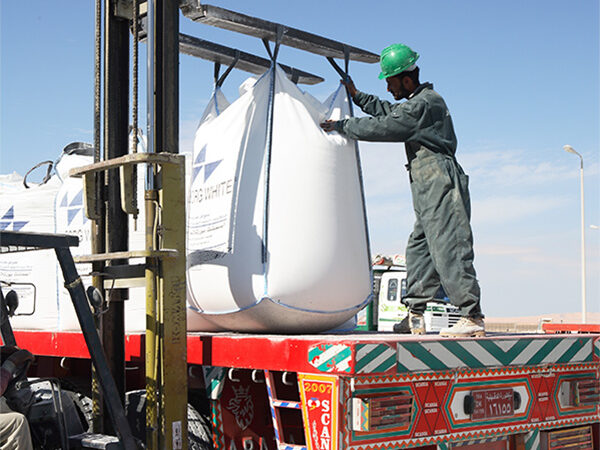
For construction businesses operating in Tanzania, selecting suitable materials and dependable suppliers is an important part of project planning. Bora Misr focuses on white cement supply solutions for the Tanzanian market, including products for suitable construction and decorative applications.
What Is Portland Concrete?
Portland concrete generally refers to concrete made using Portland cement as its primary binding material. Portland cement reacts chemically with water through a process called hydration. The resulting products bind the aggregates together and allow the concrete to harden and develop strength over time.
It is important to distinguish between Portland cement and Portland cement concrete. Portland cement is the binding ingredient, while concrete is the finished composite material made from cement, water, aggregates, and potentially other approved ingredients.
Portland cement concrete can be designed for different applications, ranging from residential floor slabs to heavily loaded structural elements. The correct mixture depends on the required strength, durability, workability, exposure conditions, and applicable construction standards.
Not every concrete mixture is suitable for every project. Structural applications should follow approved engineering designs and technical specifications rather than relying on a general-purpose mixture without evaluation.
What Are the Main Ingredients of Portland Concrete?
The performance of Portland concrete depends on the quality and proportions of its constituent materials. Each ingredient has a specific role in the final mixture.
1. Portland Cement
Portland cement acts as the binder that holds the aggregates together after hydration. The selected cement must meet the relevant product requirements and be suitable for the intended application.
Different cement products may have different characteristics, so contractors should review product specifications and follow the engineer’s recommendations when working on structural or specialized projects.
2. Water
Water is essential for cement hydration and contributes to the workability of fresh concrete. However, adding more water than the mix design permits can reduce the hardened concrete’s strength and affect durability.
Contractors should control the water content carefully and avoid making uncontrolled adjustments on site. Any changes to an approved mix should follow the project’s quality-control procedures.
3. Fine Aggregates
Fine aggregates, commonly sand, fill spaces between larger particles and contribute to the mixture’s overall characteristics. Their grading, cleanliness, moisture content, and suitability influence concrete workability and performance.
Sand containing excessive impurities or having unsuitable grading may create problems during mixing and finishing. Aggregate selection should therefore follow the requirements of the intended concrete mixture.
4. Coarse Aggregates
Coarse aggregates, such as gravel or crushed stone, form a substantial portion of concrete by volume. Their size, shape, strength, cleanliness, and grading affect the fresh and hardened properties of the mixture.
The maximum aggregate size must be appropriate for the member dimensions, reinforcement spacing, placement method, and approved mix design.
5. Admixtures and Supplementary Materials
Some concrete mixtures include chemical admixtures or supplementary cementitious materials to achieve specific performance requirements. Depending on the product and design, these materials may influence workability, setting behavior, water demand, or durability.
Such ingredients should be selected and proportioned by qualified professionals in accordance with the relevant technical requirements. Their compatibility with the cement and other mixture components must be considered.
Common Uses of Portland Concrete in Tanzania
Portland cement concrete is used across a wide range of construction activities. The type of concrete required depends on the function of the structure, design loads, environmental exposure, and construction method.
Residential Construction
Concrete is widely used in residential construction for foundations, ground slabs, columns, beams, stairs, and other building components. Its suitability for each element depends on structural calculations, reinforcement details, and the specified concrete properties.
For homeowners and developers, using an appropriate mix and ensuring proper workmanship are important steps toward achieving the required construction quality.
Commercial and Industrial Buildings
Offices, shopping facilities, warehouses, factories, and commercial complexes may use Portland concrete for structural elements, floor slabs, loading areas, and service spaces.
Industrial floors may require specific provisions for traffic, abrasion, impact, chemical exposure, and surface tolerances. A general concrete specification may not be sufficient for these conditions.
Roads and Infrastructure
Concrete may be used in selected road pavements, drainage channels, culverts, sidewalks, kerbs, bridges, and other infrastructure components. These applications often require careful control of strength, durability, reinforcement, joints, and exposure conditions.
Infrastructure projects should comply with the relevant engineering designs, local requirements, and applicable construction standards.
Foundations and Groundworks
Portland cement concrete is commonly used for foundation systems and other ground-related construction elements. The appropriate design depends on soil conditions, structural loads, groundwater considerations, and the building’s requirements.
Foundation design should be based on qualified engineering assessment. Selecting a concrete mixture solely because it is commonly used elsewhere may not address the conditions at a particular site.
Decorative and Architectural Applications
Concrete can also be used for selected architectural and decorative features, including precast components, paving products, and exposed concrete surfaces. Appearance may be influenced by aggregate selection, formwork, finishing techniques, curing, and surface treatments.
Where a lighter color is required, white cement may be suitable for specific decorative mixtures and products. Buyers should confirm that the selected material is appropriate for the intended use.
Benefits of Portland Cement Concrete
When properly designed, produced, and installed, Portland cement concrete offers several advantages for construction projects.
Strength and Load-Bearing Potential
Concrete can be designed to meet a wide range of strength requirements. Reinforced concrete combines concrete with steel reinforcement to address structural demands, subject to appropriate engineering design and construction practices.
Versatility
Concrete can be placed into different shapes using suitable formwork and can be adapted for foundations, slabs, walls, structural members, pavements, and many other applications.
Availability of Construction Methods
Concrete can be mixed on site, supplied as ready-mixed concrete where available, or manufactured for precast construction. The appropriate method depends on the project size, access, equipment, quality-control needs, and supply arrangements.
Potential Durability
Properly specified and constructed concrete can provide long service life. Durability depends on factors such as the water-cement ratio, material quality, curing, cover to reinforcement, exposure conditions, and appropriate detailing.
Compatibility with Different Finishes
Concrete surfaces can be finished in various ways, including troweling, texturing, polishing, coating, or covering with other materials. The finishing method must be compatible with the concrete and the intended use of the surface.
Portland Cement vs. Portland Concrete
Understanding the difference between cement and concrete helps buyers communicate more accurately with suppliers and contractors.
| Feature | Portland Cement | Portland Cement Concrete |
|---|---|---|
| Definition | A hydraulic binding material | A composite construction material |
| Main ingredients | Manufactured cement powder | Cement, water, fine and coarse aggregates, and optional approved additions |
| Primary role | Binds other materials through hydration | Forms the hardened construction element or product |
| Common applications | Concrete, mortar, grout, and other cement-based mixtures | Foundations, slabs, beams, columns, pavements, and other construction elements |
| Performance factors | Product composition and specifications | Mix design, ingredients, mixing, placement, compaction, curing, and exposure |
In simple terms, Portland cement is one of the ingredients used to make Portland cement concrete. The terms should not be treated as interchangeable when ordering materials or preparing construction specifications.
How to Choose Suitable Portland Cement for Concrete
Selecting cement for concrete requires consideration of the intended application and the technical requirements of the project. Contractors and purchasing teams should evaluate the following factors before ordering.
Check the Required Specifications
Identify the cement type and relevant standards specified for the project. Confirm that the proposed product meets the requirements and is compatible with the approved mix design.
Consider the Concrete Application
Concrete for a residential slab may have different requirements from concrete for a bridge, industrial floor, or marine structure. Exposure conditions and structural demands influence material selection.
Evaluate Aggregate Quality
Even suitable cement cannot compensate for poorly graded or contaminated aggregates. Sand and coarse aggregates should meet the mix requirements, and their moisture content should be considered during batching.
Review Water and Admixture Requirements
The mix design should specify appropriate water content and any admixtures needed to meet performance requirements. Unapproved changes can affect concrete consistency and hardened properties.
Choose a Dependable Supplier
Suppliers should provide clear product information, packaging details, quotations, and shipping arrangements. Buyers should verify availability and delivery terms rather than assume that a product can be supplied immediately.
What Affects Portland Concrete Prices in Tanzania?
The cost of Portland concrete depends on whether the buyer is purchasing cement alone, buying ready-mixed concrete, or arranging a complete concrete placement service. These are different purchasing arrangements and should be compared separately.
Important cost factors include:
- Cement type and quantity: The specified product and amount required affect the material cost.
- Aggregate quality and availability: Sand and coarse aggregate costs vary according to source, quality, and transport.
- Water and admixtures: Additional ingredients may be required by the mix design.
- Transport: Delivery distance, vehicle type, access, and unloading requirements influence costs.
- Mixing and placement: Equipment, labor, pumping, and site preparation may be included in a concrete supply quotation.
- Testing and quality control: Required sampling, testing, and inspection can contribute to the project budget.
- Project size: Order quantities and scheduling may affect supplier and contractor pricing.
To obtain a meaningful quotation, specify whether you need cement bags, ingredients for site-mixed concrete, ready-mixed concrete, or a complete placement service. Include the quantity, project location, required specifications, and expected schedule.
For general market information, visit Bora Misr’s resources on Tanzania cement prices and cement prices. Actual prices should be confirmed directly with suppliers because product availability, transport costs, and market conditions can change.
Best Practices for Mixing, Placing, and Curing Concrete
Concrete performance depends on the entire construction process, not simply on the type of cement used. Appropriate procedures help the mixture develop the properties required by the project.
- Follow the approved mix design: Use the specified proportions and materials instead of relying on uncontrolled estimates.
- Measure ingredients accurately: Control cement, aggregates, water, and admixtures according to the approved batching procedure.
- Mix thoroughly: Ensure the mixture is sufficiently uniform before placement.
- Prepare the site: Check formwork, reinforcement, access, and any required inspections before pouring.
- Place and compact properly: Use appropriate methods to reduce the risk of segregation and entrapped air.
- Finish the surface correctly: Apply a finishing method suitable for the intended surface and avoid adding uncontrolled water.
- Cure the concrete: Follow the specified curing procedure to support hydration and reduce premature moisture loss.
- Carry out required inspections and tests: Follow the project’s quality-control plan and applicable standards.
For structural concrete, these steps should be supervised by appropriately qualified professionals. Testing and acceptance criteria must follow the relevant project specifications.
Common Mistakes to Avoid
Several mistakes can affect concrete quality, project cost, and construction progress. Contractors should avoid the following:
- Using cement that does not meet the specified requirements.
- Adding excessive water to improve workability without an approved adjustment.
- Using contaminated or unsuitable aggregates.
- Neglecting proper batching, mixing, or compaction.
- Failing to cure concrete adequately.
- Pouring concrete without completing the required site preparation and inspections.
- Ignoring weather and environmental conditions that may affect placement and curing.
- Storing cement in areas exposed to rain, leaks, or excessive moisture.
Careful planning, appropriate supervision, and consistent quality checks help reduce the likelihood of avoidable defects and costly repairs.
White Portland Cement for Decorative Concrete
While ordinary Portland cement is commonly used for many general concrete applications, white Portland cement may be considered when the appearance of the finished product is an important design requirement. It can provide a lighter base for selected architectural and decorative applications.
Depending on the product specifications and approved mixture, white cement may be used for decorative precast components, terrazzo, architectural details, and other cement-based finishes. Compatible pigments and carefully selected aggregates can help achieve particular visual effects.
White cement should not automatically be substituted for another cement type in structural concrete. The product must meet the project’s technical requirements, and the mixture should be designed and approved for its intended application.
Bora Misr focuses on white cement supply solutions in Tanzania for buyers exploring suitable decorative and construction applications. Contractors should confirm product specifications, quantities, and supply arrangements before placing an order.
Why Reliable Cement Supply Matters
Construction schedules often depend on materials arriving at the right time and in suitable condition. Cement shortages can interrupt planned work, while poor storage may damage material before use.
Contractors and purchasing teams can improve supply planning by estimating quantities from project documents, confirming product specifications, coordinating deliveries, and maintaining appropriate storage conditions.
Before choosing a supplier, confirm the product, packaging, order quantity, quotation, transport arrangements, and expected delivery schedule. Written confirmation of these details helps reduce uncertainty and supports better project management.
To learn more about the business and its focus, visit the Bora Misr About Us page. Buyers can also use the contact page to discuss white cement supply requirements for projects in Tanzania.
Frequently Asked Questions About Portland Concrete
1. What is Portland concrete?
Portland concrete generally means concrete made using Portland cement as its binding material. It contains cement, water, fine aggregate, coarse aggregate, and potentially other approved ingredients.
2. What is the difference between Portland cement and concrete?
Portland cement is a binding material that reacts with water. Concrete is the composite mixture produced by combining cement with water and aggregates, along with any suitable additional ingredients.
3. What is Portland concrete used for?
It is used in many construction applications, including foundations, slabs, columns, beams, pavements, drainage structures, commercial buildings, and selected precast products.
4. What determines the strength of Portland concrete?
Strength depends on the mix design, water-cement ratio, cement and aggregate quality, batching, mixing, placement, compaction, curing, and testing. The required strength should be established by the project’s technical specifications.
5. How much does Portland concrete cost in Tanzania?
Cost depends on the product and service being purchased, material quantities, aggregates, transport, mixing, placement, equipment, and quality-control requirements. Request a detailed quotation for the specific project and delivery location.
6. Can white Portland cement be used in concrete?
White Portland cement can be used in suitable concrete and cement-based mixtures when the product meets the intended application’s requirements. Structural use requires appropriate mix design and engineering approval.
7. Why is curing important for concrete?
Curing helps maintain suitable moisture and temperature conditions for cement hydration. Proper curing supports the development of concrete properties and helps reduce the risk of premature drying and related defects.
8. How should Portland cement be stored?
Store cement in a dry, covered location, raised off the ground, and protected from rain and moisture. Follow the manufacturer’s recommendations and inspect packaging before use.
Conclusion
Portland cement concrete is a fundamental construction material used throughout Tanzania for residential buildings, commercial developments, foundations, floors, infrastructure, and many other applications. Its performance depends on selecting appropriate materials, following an approved mix design, controlling water content, placing and compacting the mixture correctly, and providing proper curing.
Contractors, developers, and property owners should evaluate cement products according to the intended use, relevant standards, project specifications, and total delivered cost. Reliable supply arrangements and careful material storage are also important for maintaining construction schedules and reducing waste.
For projects that require white cement for suitable decorative or architectural applications, Bora Misr provides a point of contact for exploring supply options in Tanzania. Confirming product specifications and procurement details before ordering helps construction businesses make informed decisions and plan their projects more effectively.
لا تعليق