
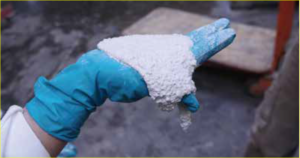
About White Cement: Properties, Uses, and Applications in Tanzania
When learning about white cement, it is important to understand that this specialized cement is valued not only for its cementitious properties but also for its distinctive bright color. White cement is widely considered for architectural, decorative, residential, and commercial construction projects where the appearance of the finished surface is an important part of the design.
Unlike conventional gray cement, white cement has a light appearance that provides architects, contractors, designers, and manufacturers with a versatile base for creating bright concrete, decorative finishes, terrazzo, tiles, precast products, facades, and ornamental elements.
In Tanzania, demand for quality construction materials continues to create opportunities for reliable suppliers of specialized cement. Bora Misr supplies premium white cement sourced from Sinai White Portland Cement, serving contractors, distributors, construction businesses, and other customers across the Tanzanian market.
What Is White Cement?
White cement is a type of cement distinguished primarily by its white or light-colored appearance. Its manufacturing process is designed to limit the presence of materials that would otherwise give ordinary cement its characteristic gray color.
The lighter color makes white cement particularly useful in applications where the cement itself contributes to the appearance of the final product. It can be used in concrete, mortar, plastering, decorative surfaces, terrazzo, tiles, precast elements, and architectural finishes.
For general background information, readers can explore this cement reference.
What Makes White Cement Different?
The most visible difference between white cement and ordinary gray cement is color. This difference is especially significant for architectural and decorative applications.
White cement provides a neutral, bright base that can be combined with suitable aggregates and pigments. This allows designers to create a wider range of visual effects while maintaining a clean appearance.
However, cement color is only one factor when selecting a construction material. The product must also be appropriate for the intended application and meet the technical requirements established for the project.
Key Properties of White Cement
Several characteristics make white cement attractive for modern construction and architectural applications.
Bright Color
The bright color of white cement is its most recognizable characteristic. It can help create clean and visually appealing surfaces in architectural and decorative projects.
Design Versatility
White cement can provide a suitable base for different colors and textures. When combined with appropriate aggregates and pigments, it can support a wide variety of decorative designs.
Consistent Appearance
Consistency is particularly important when white cement is used on visible surfaces. Proper material selection, accurate batching, and controlled application can help maintain a more uniform appearance.
Wide Range of Applications
White cement can be considered for concrete, mortar, plastering, terrazzo, tiles, precast products, facades, and ornamental construction.
White Cement vs. Gray Cement
Understanding the difference between white and gray cement can help buyers select the appropriate material for their projects.
| Feature | White Cement | Gray Cement |
|---|---|---|
| Color | White or light-colored | Gray |
| Architectural Use | Highly suitable for visible decorative surfaces | Commonly used for general construction |
| Decorative Finishes | Provides a bright base | Produces a darker cement-colored base |
| Pigmentation | Can provide a neutral base for selected colors | Gray base can influence final colors |
| Precast Applications | Suitable for selected architectural products | Widely used for general precast construction |
The choice between white and gray cement should always depend on the project’s technical and architectural requirements rather than color alone.
Uses of White Cement in Construction
One of the most important things to know about white cement is its broad range of potential applications. Its bright appearance makes it particularly useful for projects where the surface is visible and contributes to the overall architectural design.
- Architectural concrete.
- Decorative concrete.
- Wall finishes and rendering.
- Terrazzo flooring.
- Tiles and cement-based decorative products.
- Precast architectural elements.
- Building facades.
- Ornamental concrete products.
- Decorative landscaping elements.
White Cement for Architectural Concrete
Architectural concrete is one of the applications where white cement can provide significant design flexibility. Instead of covering the concrete with another finishing material, designers can make the concrete itself an important visual element.
White cement can be combined with carefully selected aggregates to produce different textures and appearances. Aggregate color, size, shape, and distribution can all influence the final surface.
For structural architectural concrete, the mix design and material selection should be determined according to the project’s engineering requirements.
White Cement for Decorative Finishes
White cement is widely considered for decorative finishes because its light color provides a clean foundation for different design treatments.
It can be used for decorative walls, architectural details, exterior features, and cement-based finishes. Depending on the application, pigments and suitable aggregates may be introduced to create different colors and textures.
Before applying a decorative finish to a large area, preparing a small sample or test panel can help the project team evaluate the expected appearance.
White Cement for Terrazzo and Tiles
Terrazzo is another application where white cement can be useful. The light cement base can complement decorative aggregates such as stone or marble chips and create an attractive finished surface.
White cement can also be incorporated into selected cement-based tile products. The final performance and appearance depend on the complete formulation, manufacturing process, curing, and finishing techniques.
White Cement for Precast Products
Precast manufacturing often requires consistent materials and controlled production processes. White cement can be used for selected architectural and decorative precast products where a light-colored surface is desired.
Examples can include:
- Architectural panels.
- Decorative wall elements.
- Garden features.
- Ornamental concrete products.
- Decorative columns and architectural details.
- Precast elements with exposed surfaces.
Manufacturers should maintain consistent batching, mixing, molding, compaction, and curing procedures to help reduce variations between production batches.
Benefits of Using White Cement
Enhanced Architectural Appearance
White cement can provide a bright and modern appearance that works well with contemporary architectural styles.
Greater Decorative Flexibility
Its light base can make it easier to develop selected colored and decorative cement-based surfaces.
Suitable for Visible Surfaces
White cement is particularly useful when the cement-based material remains exposed rather than being completely covered by another finishing material.
Multiple Applications
From facades and architectural concrete to terrazzo and ornamental products, white cement can serve many design and construction purposes.
How to Choose High-Quality White Cement
When purchasing white cement, customers should evaluate more than its appearance. Product suitability, consistency, supplier reliability, storage, and project specifications are all important.
Consider the Intended Application
First determine whether the cement will be used for concrete, mortar, plaster, terrazzo, tiles, precast products, or decorative work.
Check Product Consistency
Consistent material characteristics are especially important for decorative and architectural applications where variations can become visible.
Work With a Reliable Supplier
A professional supplier can provide product information and support bulk purchasing and logistics planning.
Follow Project Specifications
For structural applications, qualified engineers should determine the appropriate cement and concrete specifications according to the project’s requirements.
Premium White Cement Supply in Tanzania
Bora Misr supplies premium white cement to the Tanzanian market. The company’s white cement is sourced from Sinai White Portland Cement and is suitable for a range of construction, architectural, and decorative applications.
Bora Misr works with contractors, distributors, construction companies, and other customers who require dependable cement supply. The company supports both project requirements and bulk or wholesale orders.
Customers interested in learning more about the supplier can visit the Bora Misr About Us page.
Bulk White Cement Supply in Tanzania
Large construction and commercial projects may require substantial quantities of white cement. Reliable bulk supply can help contractors and distributors organize their procurement more efficiently.
Before placing a bulk order, buyers should consider the required quantity, project schedule, storage capacity, intended applications, and delivery requirements.
Bora Misr supports bulk and wholesale requirements for customers in Tanzania. For current supply information, visit the Bora Misr contact page.
How to Store White Cement
Proper storage is essential for protecting cement quality before use. White cement should be stored in a dry and protected environment away from rain, water, and excessive humidity.
- Keep cement in a dry storage area.
- Protect bags from direct moisture.
- Avoid exposure to rain and water.
- Handle bags carefully to prevent damage.
- Follow the supplier’s recommended storage conditions.
Proper storage is especially important when purchasing white cement in bulk because some of the material may remain in storage before being used.
White Cement Quality and Construction Practices
Using a high-quality cement product is an important part of construction quality, but it is not the only factor that determines the final result.
Proper mix design, suitable aggregates, controlled water content, accurate batching, mixing, placement, finishing, and curing all contribute to the performance and appearance of cement-based materials.
For structural applications, construction teams should follow approved engineering specifications and the recommendations of qualified professionals.
White Cement for the Tanzanian Construction Market
Tanzania’s construction sector includes residential buildings, commercial properties, architectural projects, infrastructure, and decorative developments. Each project may have different requirements for construction materials.
White cement can be particularly valuable in projects where architectural appearance is a priority. Residential villas, hotels, commercial buildings, decorative landscapes, facades, and public architectural spaces may all incorporate white cement-based elements.
Reliable sourcing becomes especially important for contractors and distributors who need consistent materials for ongoing projects.
Frequently Asked Questions About White Cement
What is white cement used for?
White cement is used for architectural concrete, decorative finishes, terrazzo, tiles, facades, precast elements, plastering, mortar, and ornamental construction applications.
What is the main difference between white cement and gray cement?
The most obvious difference is color. White cement has a bright appearance that makes it particularly suitable for architectural and decorative applications where the surface color is important.
Can white cement be used for concrete?
Yes. White cement can be used for architectural and decorative concrete and other applications where it meets the project’s technical requirements. Structural concrete should follow an approved engineering mix design.
Can white cement be used for terrazzo?
Yes. White cement can provide a bright base for terrazzo and can be combined with suitable decorative aggregates to create different visual effects.
Is white cement suitable for exterior applications?
White cement can be used in selected exterior architectural and decorative applications. The specific product and construction system should be selected according to environmental exposure and project requirements.
Where can I buy premium white cement in Tanzania?
Bora Misr supplies premium white cement sourced from Sinai White Portland Cement for customers in Tanzania, including contractors, distributors, and construction businesses.
Can white cement be purchased in bulk?
Yes. Bora Misr supports bulk and wholesale cement requirements for customers with larger construction and distribution needs.
Conclusion
Understanding about white cement means looking at more than its distinctive color. White cement is a versatile construction material that can support architectural, decorative, residential, commercial, and precast applications.
Its bright appearance makes it particularly useful for visible surfaces, decorative concrete, terrazzo, tiles, facades, precast elements, and ornamental products. However, achieving reliable results requires appropriate product selection, proper mixing, suitable application methods, correct curing, and adequate storage.
For contractors, distributors, and construction businesses in Tanzania, Bora Misr provides premium white cement sourced from Sinai White Portland Cement, with support for project-based, bulk, and wholesale requirements.
To learn more about available white cement supply and discuss your project requirements, visit the Bora Misr contact page.
لا تعليق