
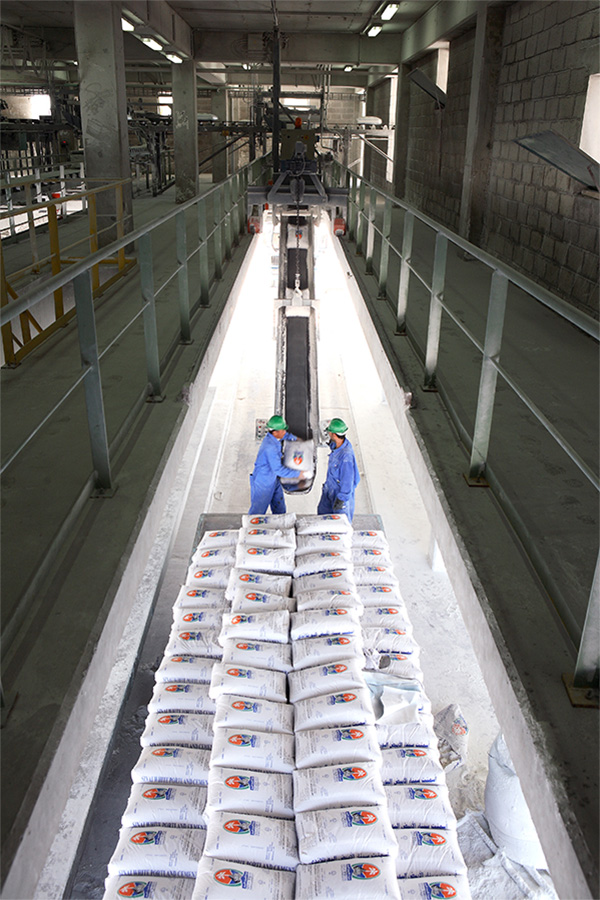
Bulk Cement: Supply, Benefits, Applications, and Buying Guide
Bulk cement is an important supply option for construction companies, contractors, infrastructure developers, and manufacturers that require large quantities of cement for ongoing projects. Instead of purchasing cement in individual bags, bulk cement is supplied in larger quantities, commonly transported and stored in specialized equipment such as bulk tankers and storage silos. This approach can help businesses organize material procurement, manage large construction operations, and reduce the handling associated with individual cement bags.
As construction projects become larger and more demanding, reliable cement supply plays an essential role in maintaining production schedules and controlling material availability. Whether cement is needed for ready-mix concrete, precast products, commercial buildings, or industrial construction, buyers should understand the different supply arrangements and storage requirements before placing an order.
Choosing a suitable bulk cement supplier also requires attention to product specifications, transportation arrangements, packaging or delivery methods, and quality documentation. For businesses in Tanzania, Bora Misr provides premium white cement sourced from Sinai White Portland Cement, supporting contractors, distributors, and construction businesses seeking suitable cement products for architectural and decorative applications.
What Is Bulk Cement?
Bulk cement refers to cement supplied in large quantities without being individually packaged in standard retail or construction bags. It is commonly transported in specialized bulk tankers and transferred into storage silos at construction sites, concrete production facilities, or industrial locations.
This supply method is particularly useful for businesses that consume significant amounts of cement regularly. Instead of receiving many separate bags, the customer receives a larger shipment that can be stored and measured through suitable handling and dispensing systems.
Bulk cement may include different cement types depending on the supplier and the intended application. These can include ordinary Portland cement and specialized cement products. The appropriate type should always be selected according to the technical requirements of the project.
How Does Bulk Cement Supply Work?
Bulk cement supply involves several stages, from order planning and transportation to unloading and storage. Each stage requires appropriate equipment and procedures to protect the material and maintain its suitability for use.
1. Ordering and Quantity Planning
The customer estimates the amount of cement required according to project schedules, production capacity, and expected consumption. Accurate planning helps avoid unnecessary stock accumulation or shortages during construction.
2. Cement Preparation and Loading
The supplier prepares the required cement quantity and loads it into suitable bulk transportation equipment. Product identification and documentation help ensure that the delivered material matches the customer’s order.
3. Transportation
Bulk cement is generally transported in specially designed tankers that protect the material from moisture and contamination. Transportation arrangements depend on the distance, delivery location, available infrastructure, and order size.
4. Unloading
At the destination, cement is transferred from the tanker into a suitable storage silo using appropriate equipment. The unloading process should be managed by trained personnel and carried out according to equipment and safety requirements.
5. Storage and Use
Once stored, cement can be transferred to concrete batching systems or other production equipment as required. Proper inventory management helps businesses monitor consumption and maintain suitable stock levels.
Advantages of Buying Cement in Bulk
Bulk cement can offer several operational benefits for businesses that use large quantities of cement. The actual advantages depend on order volume, transportation costs, storage facilities, and the supplier’s commercial arrangements.
1. Efficient Material Handling
Bulk delivery reduces the need to handle large numbers of individual cement bags. This can simplify receiving and material transfer at facilities equipped with suitable unloading systems.
2. Suitable for Large Construction Projects
Major construction projects may consume substantial quantities of cement over extended periods. Bulk supply can help organize deliveries according to planned production and construction schedules.
3. Improved Inventory Management
Storage silos allow businesses to monitor cement quantities and manage material consumption. With proper planning, companies can coordinate deliveries with their actual production needs.
4. Reduced Packaging Handling
Because bulk cement is not delivered in individual bags, businesses may reduce the handling and disposal of packaging materials. This can be useful for large facilities with regular cement consumption.
5. Potential Cost Efficiency
Bulk purchasing may provide commercial advantages when large quantities are ordered. However, the overall cost should include transportation, unloading equipment, silo installation or rental, storage management, and other operational expenses.
Bulk Cement vs. Bagged Cement
Bulk cement and bagged cement serve different purchasing and operational needs. The best option depends on how much cement a business consumes and whether it has the equipment required for bulk storage and handling.
| Comparison | Bulk Cement | Bagged Cement |
|---|---|---|
| Supply Method | Delivered in large quantities using specialized equipment. | Delivered in individual bags. |
| Typical Customers | Large contractors, concrete plants, and industrial facilities. | Small contractors, retailers, and individual construction projects. |
| Storage | Requires suitable silos or specialized storage systems. | Can be stored in a dry, covered area with proper protection. |
| Handling | Requires bulk transfer and unloading equipment. | Requires manual or mechanical bag handling. |
| Order Planning | Usually requires larger and carefully scheduled deliveries. | Can accommodate smaller purchasing quantities. |
| Packaging | Generally supplied without individual bags. | Supplied in individual packaged units. |
Businesses should compare both options based on their consumption rate, available storage, transportation arrangements, and total procurement costs.
Common Applications of Bulk Cement
Bulk cement is used in many sectors of the construction industry. Its supply format makes it particularly suitable for facilities and projects that require continuous or high-volume cement consumption.
Ready-Mix Concrete Production
Ready-mix concrete plants use cement as a primary binding material in their production processes. Bulk storage can support regular batching operations and help facilities manage large material requirements.
Large Commercial Buildings
Commercial construction projects often involve foundations, columns, beams, slabs, and other concrete components. Bulk cement can support projects where material consumption is substantial and delivery schedules need careful coordination.
Infrastructure Projects
Roads, bridges, drainage systems, and other infrastructure developments may require significant quantities of cement. Bulk supply can be considered where the project has suitable storage and handling facilities.
Precast Concrete Manufacturing
Precast facilities produce concrete components in controlled manufacturing environments. Bulk cement storage can support repeated production batches and help simplify material management.
Industrial Construction
Factories, warehouses, industrial floors, and other large developments may require regular cement deliveries. Bulk supply can be useful when the project has the equipment and space needed to receive and store the material.
Concrete Products Manufacturing
Manufacturers of blocks, paving products, pipes, and other cement-based products may use bulk cement to support continuous production, depending on their facility design and consumption requirements.
Types of Cement Available for Large-Scale Supply
The term bulk cement describes the way cement is supplied rather than a specific chemical composition or product classification. Different cement types may be available depending on the manufacturer, supplier, and market.
Ordinary Portland Cement
Ordinary Portland cement is widely used in general construction and concrete production. Its suitability depends on the specified strength class, applicable standards, and project requirements.
Portland Composite Cement
Portland composite cement contains Portland cement clinker combined with one or more permitted additional constituents. Its properties depend on its composition and applicable product standards.
White Portland Cement
White Portland cement is manufactured with controlled raw materials and production conditions to achieve a light color. It is commonly selected for decorative concrete, terrazzo, tiles, precast architectural elements, and other applications where appearance is important.
For more background, readers can explore white cement and its common construction uses.
Not every cement product is necessarily available in bulk format from every supplier. Buyers should confirm the available product type, delivery method, minimum order requirements, and technical documentation before making purchasing decisions.
Important Factors When Choosing a Bulk Cement Supplier
Selecting a reliable supplier is essential for businesses that depend on regular cement deliveries. The supplier should be able to provide clear information about the product and explain the practical arrangements involved in large-volume orders.
Product Quality and Specifications
Ask for technical specifications and relevant product documentation. Confirm that the cement type and classification are suitable for the intended application and meet applicable standards.
Supply Capacity
Evaluate whether the supplier can accommodate the quantities required by the project. Businesses with continuous production needs should discuss expected consumption and ordering arrangements in advance.
Transportation and Logistics
Bulk cement requires suitable transportation equipment and unloading arrangements. Buyers should confirm delivery locations, access requirements, transportation responsibilities, and scheduling before confirming an order.
Communication and Customer Support
Clear communication helps businesses coordinate orders, understand product information, and resolve supply-related questions. A supplier should provide practical answers about the purchasing process.
Commercial Terms
Compare quotations carefully. Consider product cost, transportation, unloading, storage, payment conditions, and any additional charges that may affect the total procurement budget.
Storage Requirements for Bulk Cement
Proper storage is essential because cement can react with moisture before it is used. Bulk cement is commonly stored in specially designed silos that protect it from water and contamination.
Use Suitable Storage Silos
Storage silos should be designed for cement handling and have suitable connections for loading and discharge. Their capacity should match the facility’s consumption and delivery arrangements.
Protect Cement from Moisture
Moisture can cause cement to form lumps or begin reacting before it is used. Silos and transfer systems should be maintained to prevent water from entering the storage area.
Maintain Clean Equipment
Storage and transfer equipment should be inspected and maintained to reduce contamination and prevent operational problems.
Monitor Stock Levels
Inventory monitoring helps businesses understand how much cement is available and when another delivery may be required. This supports more organized procurement planning.
Follow Safe Operating Procedures
Loading, unloading, silo inspection, and maintenance should follow appropriate safety procedures. Personnel should be trained to operate the equipment and use suitable protective equipment.
Factors That Affect Bulk Cement Prices
Bulk cement prices vary according to several commercial and logistical factors. Buyers should request quotations based on their actual requirements rather than relying on a general market estimate.
- Cement type: Different cement products have different manufacturing and supply costs.
- Order quantity: The size of the purchase may influence commercial terms.
- Transportation distance: Delivery location and route conditions affect logistics costs.
- Delivery equipment: Specialized tankers and unloading arrangements may affect the total cost.
- Storage requirements: Silo availability, maintenance, and handling systems contribute to operating expenses.
- Market conditions: Supply, demand, production costs, and exchange-rate movements may influence prices.
- Payment arrangements: Commercial terms can affect the final quotation.
To compare offers accurately, businesses should request a detailed quotation that identifies the cement product, quantity, delivery location, transportation arrangements, and any additional charges.
Bulk Cement Supply in Tanzania
Tanzania’s construction sector includes residential developments, commercial buildings, infrastructure projects, and industrial facilities. These activities create demand for different cement products and supply arrangements, depending on the scale and nature of each project.
Large contractors and concrete production facilities may benefit from bulk supply when they have suitable storage silos and equipment. Smaller construction businesses may find bagged cement more practical because it can be purchased in quantities that match their immediate requirements.
For specialized decorative and architectural applications, white cement is another important material option. Bora Misr supplies premium white cement sourced from Sinai White Portland Cement to the Tanzanian market, supporting contractors, distributors, and construction businesses.
Businesses interested in learning more about the company can visit the Bora Misr About Us page. They can also explore the website’s cement-related resources and Tanzania cement information.
How to Plan Bulk Cement Orders
Effective order planning helps construction businesses maintain suitable stock levels and avoid unnecessary storage costs. Before placing an order, buyers should review their consumption requirements and available facilities.
- Estimate cement consumption: Calculate the expected quantity based on project activities and production schedules.
- Confirm the product type: Select cement that meets the project’s technical requirements.
- Review storage capacity: Ensure that available silos can safely accommodate the planned shipment.
- Check delivery access: Confirm that transportation equipment can reach the unloading location.
- Coordinate delivery dates: Align deliveries with construction or production schedules.
- Prepare receiving procedures: Assign trained personnel to manage unloading and inspect delivery documentation.
- Monitor consumption: Track stock levels and adjust future orders according to actual usage.
Common Mistakes to Avoid When Purchasing Bulk Cement
Large-volume cement purchases require careful planning. Mistakes in product selection, storage, or transportation can affect material quality and increase project costs.
- Ordering without checking storage capacity: Deliveries should not exceed the available suitable storage capacity.
- Choosing the wrong cement type: The product must meet the technical requirements of the application.
- Ignoring transportation arrangements: Buyers should confirm the equipment and unloading requirements in advance.
- Neglecting moisture protection: Poorly maintained silos can expose cement to moisture.
- Overlooking product documentation: Technical specifications and delivery records help support quality management.
- Focusing only on unit price: Transportation, handling, and storage costs should be included in the purchasing decision.
- Failing to plan deliveries: Poor scheduling may lead to shortages or excessive stock accumulation.
Frequently Asked Questions About Bulk Cement
1. What is bulk cement?
Bulk cement is cement supplied in large quantities without individual retail bags. It is commonly transported in specialized tankers and stored in silos at construction sites or production facilities.
2. Who should buy cement in bulk?
Bulk cement is generally suitable for large contractors, ready-mix concrete plants, precast manufacturers, and industrial facilities that consume substantial quantities and have suitable storage and handling equipment.
3. What is the difference between bulk cement and bagged cement?
Bulk cement is delivered in large quantities through specialized equipment, while bagged cement is packaged in individual units. Bulk supply is often more practical for high-volume operations, whereas bagged cement can be more convenient for smaller purchases.
4. How is bulk cement transported?
It is commonly transported in specialized tankers designed to protect the cement from moisture and allow transfer into suitable storage silos.
5. How should bulk cement be stored?
Bulk cement should be stored in suitable, moisture-protected silos with appropriate loading and discharge systems. Storage equipment should be inspected and maintained regularly.
6. Is bulk cement always cheaper than bagged cement?
Not necessarily. Bulk supply may offer cost advantages for large orders, but the total cost depends on transportation, unloading, storage facilities, order size, and commercial terms.
7. Can white cement be supplied in bulk?
White cement can be handled through bulk supply systems when the manufacturer and supplier offer a suitable product and the required transportation and storage arrangements are available. Buyers should confirm availability and handling requirements directly with the supplier.
8. Where can businesses find cement supply information in Tanzania?
Businesses can visit Bora Misr to learn about its premium white cement supply sourced from Sinai White Portland Cement and discuss relevant business requirements.
Conclusion
Bulk cement is a practical supply method for construction companies and industrial facilities that require large quantities of cement. It can simplify material handling, support inventory management, and help coordinate deliveries with major construction and production activities. However, its suitability depends on order volume, storage capacity, transportation arrangements, and the availability of appropriate handling equipment.
Before choosing a bulk cement supplier, businesses should evaluate product specifications, supply capacity, delivery arrangements, commercial terms, and quality documentation. Proper storage and inventory management are equally important for protecting cement and maintaining its suitability for use.
For businesses in Tanzania seeking premium white cement for suitable architectural and decorative applications, Bora Misr offers products sourced from Sinai White Portland Cement. To learn more about the company and discuss supply requirements, visit the Bora Misr contact page.
لا تعليق