
Quality Concrete: Essential Standards, Materials, and Construction Practices
Quality concrete is one of the most important foundations of successful construction. Whether a project involves residential buildings, commercial developments, decorative surfaces, precast products, or infrastructure, the quality of concrete directly influences the finished structure’s performance, appearance, and long-term reliability. Choosing suitable materials and following appropriate construction practices can help contractors achieve consistent results and reduce common problems during production and placement.
In modern construction, concrete quality is not determined by cement alone. It depends on several connected factors, including the properties of cement, the quality of aggregates, water content, mix proportions, mixing procedures, placement, compaction, and curing. Understanding these factors helps builders, contractors, and suppliers make informed decisions throughout the construction process.
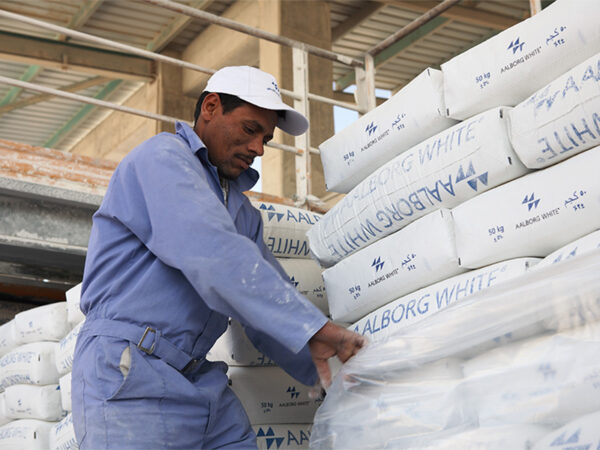
For construction businesses in Tanzania, sourcing dependable cement is an important part of maintaining material quality. Bora Misr supports the local construction market by supplying premium white cement sourced from Sinai White Portland Cement for projects that require suitable materials for decorative and architectural applications.
What Is Quality Concrete?
Quality concrete is concrete produced and placed to meet the technical requirements of a specific construction application. It should have appropriate strength, workability, durability, and, where appearance matters, a consistent surface finish. These characteristics must be evaluated according to the project’s design requirements and applicable construction standards.
Concrete quality is not measured by one characteristic alone. A mixture may achieve the required compressive strength but still have poor workability or an unsuitable surface finish. Similarly, attractive decorative concrete may not be appropriate for a structural application unless its technical properties meet the relevant engineering specifications.
Main Characteristics of High-Quality Concrete
- Strength: Concrete should develop the compressive strength specified by the structural design.
- Workability: The fresh mixture should be manageable during transportation, placement, and compaction without unnecessary segregation.
- Durability: Properly designed concrete should resist the environmental conditions expected during its service life.
- Consistency: Materials and production procedures should be controlled to reduce unwanted variations between batches.
- Surface quality: Finished concrete should meet the project’s requirements for texture, appearance, and dimensional accuracy.
- Low permeability: An appropriately designed and cured mixture can help limit the movement of water and aggressive substances through the concrete.
Why Does Concrete Quality Matter in Construction?
Concrete is used in a wide range of construction activities, from foundations and columns to floors, walls, pavements, and decorative elements. Poor-quality concrete can create problems that affect both the construction process and the performance of the finished work.
Investing in appropriate materials and quality-control procedures can provide several benefits:
1. Better Structural Performance
Structural concrete must satisfy the strength and performance requirements established by engineers. Correct mix design, suitable cement, properly graded aggregates, and controlled water content all contribute to achieving the specified results.
2. Improved Durability
Concrete structures may be exposed to moisture, temperature changes, chemical substances, and other environmental conditions. Appropriate material selection, mix design, placement, and curing help improve resistance to these conditions. The required level of durability depends on the exposure environment and project specifications.
3. More Consistent Finishing
For decorative and architectural projects, consistency is especially important. Variations in cement, aggregates, water content, or mixing procedures can affect the color and texture of the finished surface. Reliable materials and controlled production help achieve a more uniform appearance.
4. Reduced Construction Problems
Proper concrete production and handling can reduce the risk of common issues such as segregation, excessive bleeding, surface defects, and inadequate strength development. Preventing these problems is generally more practical than repairing defective concrete after construction.
Key Materials Used to Produce Quality Concrete
Concrete is a composite material made from several ingredients. Each component performs a specific function, and the final properties depend on how these materials work together.
Cement
Cement is the binding material that reacts with water through hydration and helps hold the aggregates together. Selecting the correct cement type is essential because cement properties influence strength development, setting behavior, and other characteristics of the concrete mixture.
Ordinary Portland cement is widely used in general construction, while white Portland cement is selected for applications where a light-colored or decorative finish is required. The choice should always be based on the project’s technical specifications rather than appearance alone.
Aggregates
Fine and coarse aggregates form a substantial portion of concrete. Fine aggregate commonly includes sand, while coarse aggregate may include crushed stone or gravel. Their grading, cleanliness, shape, and strength can influence workability, density, strength, and durability.
Water
Water is necessary for cement hydration and for making fresh concrete workable. Its quality and quantity are important. Excess water can increase porosity and reduce the strength of hardened concrete, while insufficient water may make the mixture difficult to place and compact.
Admixtures
Admixtures are materials added to concrete to modify particular properties. Depending on the product and application, they may improve workability, control setting time, reduce water demand, or support other performance requirements. Their use should follow manufacturer instructions and an approved mix design.
Factors That Influence Concrete Quality
Even when good materials are available, poor production practices can negatively affect the finished concrete. Contractors should pay attention to every stage, from material storage to curing.
| Factor | Its Role in Concrete Quality | Recommended Practice |
|---|---|---|
| Cement quality | Influences binding and strength development. | Use cement suitable for the specified application and store it properly. |
| Aggregate quality | Affects strength, workability, and durability. | Use clean aggregates with suitable grading and properties. |
| Water-cement ratio | Strongly influences strength and permeability. | Control water quantities according to the approved mix design. |
| Mixing | Helps distribute materials consistently. | Follow suitable mixing procedures and times. |
| Compaction | Helps remove unwanted trapped air. | Compact concrete appropriately without causing segregation. |
| Curing | Supports cement hydration and strength development. | Maintain suitable moisture and temperature conditions. |
The Importance of the Water-Cement Ratio
The water-cement ratio is one of the most important parameters in concrete mix design. It is calculated by dividing the mass of mixing water by the mass of cementitious material, according to the design basis being used.
In general, increasing the water-cement ratio beyond the designed value can increase the amount of capillary pores in hardened concrete. This may reduce compressive strength and increase permeability. However, simply reducing water without considering workability and compaction can also create problems.
For this reason, contractors should not add water randomly to make concrete easier to handle. The mixture should be designed to provide the required workability while satisfying strength and durability requirements. Where necessary, suitable water-reducing admixtures may be considered by the responsible technical team.
How to Improve Concrete Quality During Construction
Achieving quality concrete requires careful control throughout the construction process. The following practices can help contractors and construction teams improve consistency and reduce avoidable defects.
- Select suitable materials: Check that cement, aggregates, water, and admixtures meet the project’s requirements.
- Use an approved mix design: Determine the correct proportions based on the required strength, workability, exposure conditions, and applicable standards.
- Measure ingredients accurately: Avoid estimating material quantities by eye when controlled batching is required.
- Mix thoroughly: Ensure that the ingredients are distributed evenly throughout the mixture.
- Transport and place correctly: Minimize delays and handling practices that may cause segregation or loss of workability.
- Compact properly: Use suitable compaction methods to reduce trapped air and improve the concrete’s density.
- Finish carefully: Apply appropriate finishing techniques according to the intended surface and project requirements.
- Cure the concrete: Protect the surface and maintain suitable curing conditions for the specified period.
- Test and inspect: Carry out the required quality-control tests and document the results.
Quality Control and Concrete Testing
Quality control helps verify that concrete meets the requirements established for a project. Testing may take place before, during, and after concrete placement, depending on the construction specifications.
Slump Test
The slump test is commonly used to assess the consistency and workability of fresh concrete. It provides an indication of how the mixture behaves during handling and placement. The required slump depends on the application and should be specified in the project documentation.
Compressive Strength Test
Compressive strength testing is used to evaluate the ability of hardened concrete to withstand compressive loads. Concrete specimens are prepared, cured, and tested at specified ages, commonly including 7 and 28 days, depending on the testing requirements. The results are compared with the specified strength criteria.
Visual Inspection
Visual inspection can help identify surface defects such as honeycombing, cracks, uneven finishes, and signs of segregation. Although visual inspection is useful, it cannot replace laboratory testing or engineering assessment when these are required.
Material Testing
Testing cement and aggregates can help confirm whether the materials are suitable for the intended mixture. The specific tests depend on the material type, relevant standards, and project requirements.
White Cement and Its Role in Decorative Concrete
White cement is an important material for architectural and decorative applications. Its light color makes it suitable for projects where the appearance of concrete is a major design consideration. It can be used in decorative finishes, terrazzo, tiles, precast elements, facades, and ornamental details, provided the selected product meets the technical requirements of the application.
Unlike conventional gray cement, white cement helps produce lighter-colored mixtures and gives designers greater flexibility when working with pigments and decorative aggregates. The final color and appearance also depend on the aggregates, water, pigments, curing conditions, and finishing methods.
For more information about the material, readers can explore white cement and its common applications.
In Tanzania, Bora Misr provides access to premium white cement sourced from Sinai White Portland Cement. This supply can support contractors, distributors, and businesses working on architectural and decorative construction projects.
Common Mistakes That Reduce Concrete Quality
Several avoidable mistakes can affect concrete performance and create unnecessary construction challenges. Understanding these mistakes helps construction teams maintain better control over their work.
- Adding too much water: Excess water can negatively affect strength and increase permeability.
- Using unsuitable aggregates: Dirty or poorly graded aggregates may affect the mixture’s performance.
- Incorrect material proportions: Inaccurate batching can lead to inconsistent concrete properties.
- Insufficient compaction: Poor compaction may leave voids and honeycombing.
- Neglecting curing: Inadequate curing can interfere with hydration and increase the risk of surface cracking.
- Improper cement storage: Exposure to moisture can damage cement and affect its suitability for use.
- Ignoring testing requirements: Skipping specified quality checks makes it harder to verify whether concrete meets project standards.
Choosing a Reliable Cement Supplier in Tanzania
Reliable cement sourcing is an important part of maintaining construction quality. Contractors and distributors should consider more than the purchase price when selecting a supplier. Product suitability, supply consistency, communication, and logistics all matter when planning construction activities.
Before choosing a supplier, consider the following points:
- Confirm the type of cement available and whether it suits the intended application.
- Request relevant product specifications and technical documentation.
- Ask about available quantities and wholesale supply arrangements.
- Discuss shipping and delivery arrangements before confirming an order.
- Choose a supplier that communicates clearly and can respond to business inquiries.
Bora Misr focuses on supplying premium white cement to the Tanzanian market, supporting construction companies and distributors looking for materials for decorative and architectural work. Businesses can visit the cement-related resources or explore the Tanzania cement information available on the website.
Applications of Quality Concrete
Quality concrete is essential across different types of construction. The mix design and materials should always be selected according to the requirements of each application.
Residential Construction
Concrete is commonly used in foundations, slabs, columns, beams, stairs, and other building components. Structural elements must meet the requirements of the approved engineering design.
Commercial Buildings
Commercial construction often requires carefully controlled concrete production because of structural demands, project schedules, and finishing requirements.
Precast Concrete Products
Precast elements are manufactured before being transported to the construction site. Consistency in batching, casting, curing, and quality inspection is important for producing reliable components.
Decorative and Architectural Work
Decorative concrete is used in facades, flooring, terrazzo, tiles, ornamental elements, and other design features. White cement may be selected when a light-colored finish is desired.
Frequently Asked Questions About Quality Concrete
1. What makes concrete high quality?
High-quality concrete meets the specified requirements for strength, workability, durability, and appearance. It is produced using suitable materials, accurate proportions, proper mixing, appropriate placement, and effective curing.
2. Does using more cement always produce stronger concrete?
No. Increasing cement content does not automatically guarantee better concrete. Performance depends on the complete mix design, water-cement ratio, aggregate properties, admixtures, and construction practices.
3. Why is curing important for concrete?
Curing helps maintain conditions that allow cement hydration to continue. Proper curing supports strength development and can reduce the risk of early-age cracking and surface defects.
4. Can white cement be used to produce decorative concrete?
Yes. White cement is commonly used in decorative and architectural applications because it provides a light-colored base. The final mixture must still be designed to meet the intended technical and aesthetic requirements.
5. How can contractors check concrete quality?
Contractors can follow approved quality-control procedures that may include slump tests, compressive strength tests, material inspections, and visual checks. The required tests depend on the project specifications.
6. Where can businesses source white cement in Tanzania?
Businesses can contact Bora Misr to inquire about premium white cement sourced from Sinai White Portland Cement, including supply options for contractors and distributors.
Conclusion
Quality concrete is the result of selecting suitable materials, applying an appropriate mix design, controlling water content, following correct production procedures, and maintaining proper curing conditions. Every stage contributes to the final performance and appearance of the concrete, making quality control an essential part of successful construction.
For contractors and construction businesses in Tanzania, choosing a dependable cement supplier is another important step. Bora Misr supports the market with premium white cement sourced from Sinai White Portland Cement, offering a material option for decorative and architectural projects. To learn more about available supply options or discuss business requirements, visit the Bora Misr contact page.
لا تعليق