
Cement Construction in Tanzania: Materials, Applications, and Choosing the Right Cement
Cement construction is at the heart of modern building and infrastructure development. From residential houses and commercial properties to roads, industrial facilities, and architectural features, cement-based materials play an essential role in creating durable and functional structures. Choosing the appropriate cement and applying it correctly can make a significant difference to the quality and performance of a construction project.
Across Tanzania, contractors, developers, engineers, and building-material distributors need to understand how different cement products are used and which specifications are suitable for particular applications. A successful construction project depends not only on purchasing cement but also on selecting the right material, following an appropriate mix design, managing storage, and applying proper construction practices.
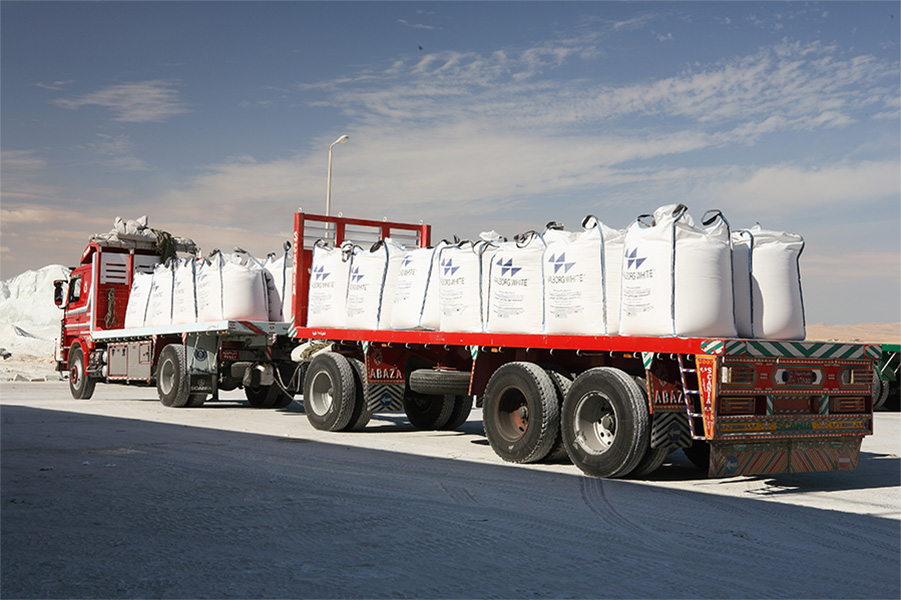
Bora Misr supports the Tanzanian market with premium white cement sourced from Sinai White Portland Cement. Its supply focus serves contractors, distributors, and construction businesses seeking white cement for suitable architectural, decorative, and specialized construction applications.
What Is cement Construction?
Cement construction refers to building activities that use cement as a binding material in concrete, mortar, plaster, grout, and other construction mixtures. Cement reacts chemically with water through a process known as hydration. This reaction allows cement-based materials to harden and develop strength.
Cement is rarely used alone in major construction applications. It is usually combined with other materials depending on the required result.
- Concrete: Generally consists of cement, water, fine aggregates, and coarse aggregates. It is widely used in structural and non-structural construction.
- Mortar: Usually combines cement, water, and fine aggregate for masonry and other building applications.
- Plaster: A finishing material applied to walls and ceilings to create a suitable surface.
- Grout: A flowable or workable material used to fill joints, gaps, and selected spaces.
- Precast concrete: Concrete products manufactured in controlled production environments before being transported to construction sites.
Each mixture has different requirements. The correct proportions and material specifications should be determined according to the intended application and relevant engineering standards.
Why Is Cement Important in Construction?
Cement is one of the most widely used materials in the construction industry because it can be incorporated into different mixtures for a broad range of applications.
1. Supporting Structural Development
Cement is a fundamental ingredient in concrete used for foundations, columns, beams, slabs, and other structural elements. The strength and durability of the finished concrete depend on several factors, including cement properties, aggregate quality, water-to-cement ratio, mixing, compaction, and curing.
2. Creating Strong Masonry Work
Cement-based mortar is commonly used to join masonry units such as concrete blocks and bricks. Proper mortar selection and application help create stable masonry assemblies when used according to the relevant construction specifications.
3. Providing Surface Finishes
Cement-based plaster and rendering materials are used to prepare and finish walls and other surfaces. Different finishing techniques can create smooth, textured, or decorative appearances.
4. Supporting Architectural Design
Cement can be used in decorative concrete, precast ornaments, flooring, and architectural details. White cement is particularly relevant when a project requires a light-colored finish or a distinctive visual appearance.
5. Enabling Precast Manufacturing
Manufacturers use cement-based mixtures to produce paving blocks, concrete panels, tiles, decorative elements, and other products. Controlled material selection and production procedures help improve consistency.
Types of Cement Used in Construction
Different cement types are available for different construction requirements. Buyers should understand the general characteristics of each category before selecting a product.
Ordinary Portland Cement
Ordinary Portland Cement is widely used in general building and construction work. It is commonly included in concrete and mortar mixtures for residential, commercial, and infrastructure projects. Its suitability depends on the applicable standard, product specifications, and project requirements.
White Portland Cement
White Portland Cement is manufactured to achieve a light-colored appearance. It is often selected for architectural and decorative work where the color of the finished cement-based material is important.
Typical applications include:
- Decorative wall finishes.
- Architectural concrete elements.
- Terrazzo flooring.
- Precast decorative products.
- Light-colored tiles and paving products.
- Selected ornamental and finishing applications.
White cement can also be combined with compatible pigments and aggregates to produce different decorative effects. The final result depends on the materials, mix proportions, production process, and finishing method.
For additional background, see the white cement overview.
Blended Cement
Blended cement contains Portland cement combined with selected supplementary cementitious materials. Its composition and properties vary according to the product and applicable standard. It may be specified for particular performance and sustainability requirements.
Sulfate-Resisting Cement
This cement category is designed for applications where exposure to sulfate-containing soil or water is a concern. Engineers should evaluate the environmental conditions and determine the appropriate cement type and concrete design.
Cement Construction Applications in Tanzania
Cement-based materials are used in different sectors of Tanzania’s construction industry. Understanding these applications helps buyers identify the products and specifications required for their projects.
Residential Buildings
Residential construction involves several cement-based applications, including concrete foundations, floor slabs, masonry mortar, plastering, and external paving. The selected cement must meet the requirements of the structural design and applicable building standards.
Commercial Buildings
Offices, hotels, retail properties, and commercial facilities use cement-based materials for structural work, floors, walls, and architectural finishes. White cement may be considered for selected decorative features where a light appearance is required.
Infrastructure Projects
Cement is used in various infrastructure applications, including concrete pavements, drainage structures, bridges, culverts, and precast components. These projects require careful material selection and engineering supervision to account for loading and environmental exposure.
Industrial Construction
Factories, warehouses, and industrial facilities use concrete floors, foundations, equipment bases, and other cement-based elements. Project specifications should account for the expected loads and operating conditions.
Decorative and Architectural Construction
Architectural projects may use cement for decorative surfaces, ornamental components, terrazzo, and precast features. White cement is a useful option for applications where the appearance and color of the finished material are important.
White Cement in Modern Construction Projects
White cement has a specialized place in modern construction because it combines cement-based functionality with a light-colored appearance. It is often considered by architects, designers, contractors, and manufacturers working on decorative and architectural projects.
In Tanzania, potential applications include residential developments, hotels, commercial buildings, decorative facades, terrazzo flooring, and precast architectural products.
Key Advantages of White Cement
- Light-colored appearance: Suitable for projects that require white or light-colored cement-based finishes.
- Decorative flexibility: Can be used with compatible pigments and aggregates in selected decorative mixtures.
- Architectural versatility: Supports the production of ornamental concrete and decorative elements.
- Finishing applications: Can be considered for suitable terrazzo, tile, and surface-finishing products.
- Design possibilities: Offers architects and contractors additional options when planning the appearance of a project.
White cement is not automatically a substitute for every ordinary cement product. Its suitability for structural or other technical applications must be confirmed through product specifications, engineering requirements, and an approved mix design.
How to Choose the Right Cement for Construction
Selecting cement should begin with understanding the purpose of the project. The cheapest available product is not necessarily the most appropriate choice. Buyers should evaluate technical suitability, product information, supply arrangements, and overall purchasing costs.
- Define the application: Identify whether the cement will be used for structural concrete, masonry, plastering, flooring, or decorative work.
- Check technical specifications: Review the cement type, applicable standards, product documentation, and relevant performance requirements.
- Consider environmental exposure: Evaluate moisture, temperature variations, sulfate exposure, and other site conditions.
- Evaluate the supplier: Look for clear product information and reliable communication about sourcing and supply arrangements.
- Calculate the required quantity: Estimate material consumption according to the project design and expected construction activities.
- Compare total costs: Include transportation, handling, storage, and other purchasing expenses.
- Consult qualified professionals: Ask engineers or construction specialists to confirm that the selected cement meets the project’s requirements.
Factors Affecting Cement Construction Costs
The total cost of cement construction depends on more than the purchase price of cement. Project owners and contractors should consider the complete cost of materials, transportation, labor, and construction operations.
| Cost Factor | Explanation |
|---|---|
| Cement Type | Different cement categories may have different production, sourcing, and purchasing costs. |
| Material Quantity | The quantity required depends on project dimensions, mix design, and construction activities. |
| Aggregate Quality | Fine and coarse aggregate selection can influence concrete performance and overall material costs. |
| Transportation | Shipping and inland delivery arrangements contribute to the total cost of obtaining cement. |
| Labor and Equipment | Mixing, placing, finishing, and handling require appropriate labor and equipment. |
| Storage and Waste | Poor storage and unnecessary material waste can increase project expenses. |
For more information about cement-related pricing topics in Tanzania, visit the Tanzania Cement Prices section on the Bora Misr website.
Best Practices for Cement Handling and Storage
Proper handling and storage are essential for maintaining cement quality. Exposure to moisture can cause cement to deteriorate and may affect its suitability for construction use.
- Store cement in a dry, covered area protected from rain and humidity.
- Keep cement bags raised above the floor using suitable pallets.
- Avoid placing bags directly against damp walls.
- Protect packaging from damage during transportation and handling.
- Follow the manufacturer’s storage recommendations.
- Inspect cement packaging before accepting deliveries.
- Use appropriate stock rotation procedures to avoid unnecessarily prolonged storage.
On construction sites, cement should also be handled by trained workers using suitable equipment and safe material-handling procedures.
Why Choose Bora Misr for White Cement Supply in Tanzania?
Choosing a supplier with a clear product focus can help contractors and businesses identify suitable materials for their requirements. Buyers should look for transparent product information, clear communication, and supply arrangements that match their order needs.
Bora Misr specializes in premium white cement supply in Tanzania, sourcing its white cement from Sinai White Portland Cement. The company supports contractors, distributors, and construction businesses seeking white cement for suitable architectural, decorative, and specialized applications.
What Bora Misr Offers
- Specialized white cement supply: A focused product offering for customers who require white cement.
- Product sourcing: White cement sourced from Sinai White Portland Cement.
- Business-oriented support: Communication with contractors, distributors, and construction businesses.
- Bulk order discussions: Assistance with discussing larger quantity requirements.
- Supply coordination: Discussion of shipping and logistics arrangements according to individual order requirements.
To learn more about the company, visit the Bora Misr About Us page or explore the official Bora Misr website.
Frequently Asked Questions About Cement Construction
1. What is cement construction?
Cement construction refers to building activities that use cement in concrete, mortar, plaster, grout, and other mixtures. These materials are used in structural work, masonry, finishing, and infrastructure projects.
2. What type of cement is commonly used in building construction?
Ordinary Portland Cement is widely used for general construction. However, the appropriate type depends on the project specifications, environmental conditions, and required performance.
3. What is white cement used for in construction?
White cement is commonly used for decorative finishes, architectural concrete, terrazzo, tiles, precast ornaments, and other applications where a light-colored appearance is desirable.
4. Can white cement be used to produce concrete?
Yes. White cement can be used in suitable concrete mixtures, particularly for architectural applications. The mix design and product specifications must meet the required performance criteria.
5. What determines the quality of cement construction?
Quality depends on cement specifications, aggregate quality, water content, mix proportions, workmanship, compaction, curing, and compliance with relevant engineering standards.
6. How can I choose the right cement supplier in Tanzania?
Review the supplier’s product information, sourcing details, communication, order arrangements, and transportation options. Confirm that the supplied product matches your project requirements.
7. Does Bora Misr supply cement for construction projects?
Bora Misr specializes in premium white cement supply in Tanzania, serving contractors, distributors, and construction businesses looking for white cement for suitable applications.
8. How should cement be stored on a construction site?
Cement should be kept in a dry, covered location, raised above the floor, and protected from moisture and damaged packaging. Follow the manufacturer’s storage instructions.
Conclusion: Improve Your Construction Project with Suitable Cement
Cement construction covers a wide range of building activities, from foundations and structural concrete to masonry, plastering, flooring, and decorative architectural work. Selecting the right cement requires understanding the application, checking technical specifications, and following suitable construction and storage practices.
For projects that require a light-colored material for decorative and architectural applications, white cement can provide valuable design possibilities. Bora Misr supports the Tanzanian market with premium white cement sourced from Sinai White Portland Cement, serving contractors, distributors, and construction businesses.
If you are planning a construction or decorative project and need white cement, contact Bora Misr to discuss your requirements, order quantities, and supply arrangements. Visit the Bora Misr Contact Us page to get in touch with the team.
لا تعليق