
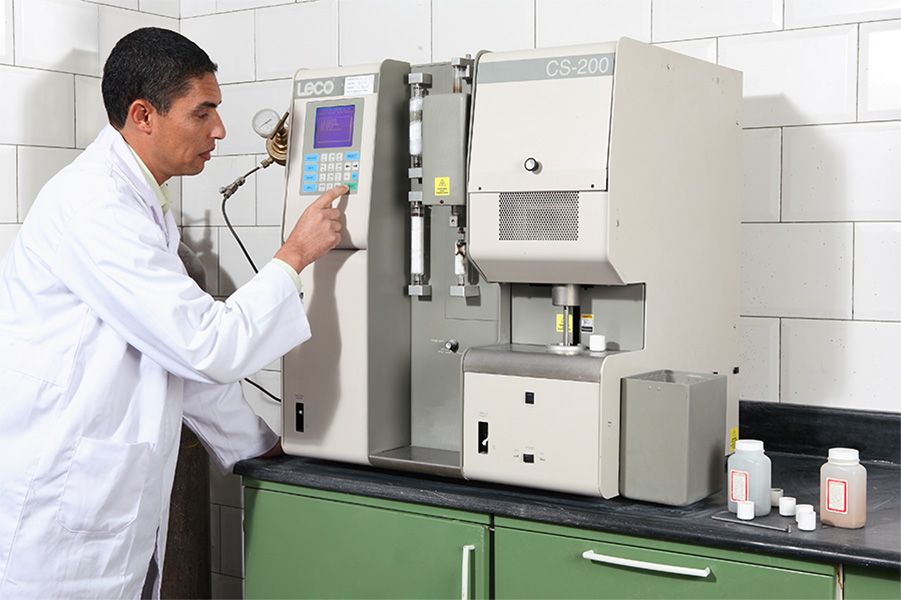
Construction Cement in Tanzania: Choosing the Right Cement for Your Building Project
Construction cement is one of the most important materials in the building industry. It plays a central role in concrete production, masonry, plastering, flooring, precast elements, and many other construction applications. Choosing the appropriate cement helps contractors and developers achieve the required appearance, strength, durability, and overall quality of their projects.
As Tanzania continues to develop its residential, commercial, and infrastructure sectors, the demand for dependable building materials remains important. Contractors, construction companies, distributors, and individual developers need to understand the differences between cement types and select products that match their project requirements.
Bora Misr supports the Tanzanian construction market by supplying premium white cement sourced from Sinai White Portland Cement. Whether a project involves decorative finishes, architectural details, precast products, or specialized building applications, selecting suitable cement specifications is an essential first step.
What Is Construction Cement?
Construction cement is a binding material used in different building and infrastructure applications. When mixed with water, it participates in a chemical reaction called hydration. This reaction allows cement-based mixtures to harden and develop strength over time.
Cement is commonly combined with other materials to produce different construction mixtures. For example:
- Concrete: A mixture generally made from cement, water, fine aggregates, and coarse aggregates.
- Mortar: A mixture of cement, water, and fine aggregate, commonly used for masonry and related applications.
- Plaster: A cement-based or other suitable finishing mixture applied to walls and ceilings.
- Grout: A flowable material used to fill joints, gaps, or spaces in selected construction applications.
- Precast products: Factory-produced concrete elements manufactured using suitable cement-based mixtures and controlled production processes.
The correct cement selection depends on the intended application, required properties, environmental conditions, and relevant technical specifications.
Why Is Construction Cement Important?
Cement influences the performance and quality of many building components. Using a suitable product and following an appropriate mix design can help construction professionals achieve reliable results.
1. Supporting Structural Applications
Cement is an essential ingredient in concrete used for foundations, columns, beams, slabs, and other structural elements. The final performance of concrete depends on several factors, including cement characteristics, aggregate quality, water content, mixing, placement, compaction, and curing.
2. Improving Construction Finishes
Cement-based materials are widely used in wall rendering, plastering, flooring, and decorative surfaces. For projects that require a light-colored or distinctive finish, white cement can provide an appropriate base when its specifications match the intended application.
3. Supporting Precast Manufacturing
Construction cement is used to manufacture precast concrete products such as paving units, architectural elements, panels, and decorative components. Consistent raw materials and controlled production conditions are important for achieving uniform results.
4. Providing Versatility Across Projects
Different cement-based mixtures can be adapted to a wide range of applications. This versatility makes cement an essential material for residential buildings, commercial developments, industrial facilities, and specialized architectural projects.
Types of Construction Cement
There are different cement categories available in the construction market. Each type has characteristics that may make it suitable for particular applications. The selection should always be based on technical documentation and project requirements.
Ordinary Portland Cement
Ordinary Portland Cement is commonly used in general construction applications. It is an important component in concrete and mortar mixtures and is selected according to the applicable standard and the performance requirements of the project.
White Portland Cement
White Portland Cement is manufactured to achieve a light-colored appearance. It is particularly useful in architectural and decorative applications where the final color of the cement-based material matters.
Common applications include:
- Decorative wall finishes.
- Architectural concrete elements.
- Terrazzo flooring and decorative surfaces.
- Precast ornamental products.
- Light-colored tiles and cement-based products.
- Specialized design features in residential and commercial buildings.
For additional background, readers can explore the white cement overview.
Blended Cement
Blended cement contains Portland cement combined with selected supplementary cementitious materials. Its properties vary according to the composition and applicable standard. It may be selected for particular construction requirements, including workability, durability, and environmental considerations.
Sulfate-Resisting Cement
Sulfate-resisting cement is designed for applications where exposure to sulfate-containing soil or water is a concern. Engineers should assess the site conditions and specify the appropriate cement type and concrete design.
White Cement for Construction and Architectural Projects in Tanzania
Although ordinary cement is widely used for general building work, white cement has a distinct role in projects where appearance and color are important. Its light color makes it suitable for selected decorative and architectural applications.
In Tanzania, white cement can be considered for projects such as modern residential buildings, hotels, commercial properties, decorative facades, and precast architectural elements.
Bora Misr focuses on supplying premium white cement sourced from Sinai White Portland Cement. The product can be considered by contractors, manufacturers, distributors, and construction businesses looking for white cement for suitable applications.
Benefits of Using White Cement
- Light-colored appearance: Suitable for architectural finishes that require a white or light-colored surface.
- Decorative flexibility: Can be used in selected mixtures with compatible pigments and aggregates.
- Architectural applications: Supports the production of decorative concrete and ornamental elements.
- Finishing possibilities: Provides a suitable material option for certain terrazzo, tile, and surface-finishing applications.
- Design versatility: Allows architects and contractors to explore different visual finishes.
Actual performance depends on the product specifications, mix proportions, materials used, workmanship, and curing conditions. White cement should not automatically be considered a replacement for every type of ordinary construction cement.
Common Applications of Construction Cement in Tanzania
Construction cement is used throughout the building sector. Understanding the intended application helps buyers select the appropriate material and avoid unnecessary costs.
Residential Construction
Residential projects use cement in concrete foundations, floors, structural components, masonry mortar, and plastering. The cement type must comply with the structural design and relevant building requirements.
Commercial Buildings
Offices, shopping centers, hotels, and other commercial properties require cement-based materials for structural work and architectural finishes. White cement may be considered for selected decorative elements where a light appearance is required.
Roads and Infrastructure
Cement is used in different infrastructure applications, including concrete pavements, drainage structures, precast components, and other engineered works. Project specifications and exposure conditions determine the suitable cement and concrete mixture.
Decorative and Architectural Work
Decorative construction uses cement to create visually distinctive surfaces and components. White cement is particularly relevant when designers want a brighter finish or a base material for selected decorative mixtures.
Precast Concrete Products
Manufacturers use cement-based mixtures to produce paving blocks, tiles, panels, ornamental pieces, and other precast elements. The manufacturing process should include suitable material selection, accurate proportioning, and appropriate curing.
How to Choose the Right Construction Cement
Choosing construction cement should involve more than comparing product names or purchase prices. Buyers should consider the technical requirements of the project and the reliability of the supply process.
- Identify the application: Determine whether the cement will be used for structural concrete, masonry, plastering, decorative finishes, or precast production.
- Review technical specifications: Check the cement type, applicable standard, product documentation, and relevant performance characteristics.
- Consider environmental conditions: Assess exposure to moisture, salts, chemicals, temperature variations, and other site conditions.
- Evaluate supplier reliability: Choose a supplier that can explain product details and communicate clearly about quantities and logistics.
- Compare total purchasing costs: Consider product price, transportation, handling, storage, and the quantity required.
- Consult qualified professionals: Structural engineers and construction specialists should confirm that the selected cement is suitable for the intended work.
Factors That Influence Construction Cement Prices in Tanzania
The price of construction cement can vary depending on the product type, supplier, order size, transportation arrangements, and market conditions. Buyers should request current quotations rather than relying on outdated price information.
| Price Factor | How It Influences the Cost |
|---|---|
| Cement Type | Different cement categories may have different production and supply costs. |
| Order Quantity | Bulk orders may involve different commercial and logistical arrangements. |
| Transportation | Shipping, inland transport, and delivery arrangements affect the final cost. |
| Storage and Handling | Storage conditions and handling requirements can influence total purchasing expenses. |
| Market Conditions | Supply, demand, exchange rates, and logistics can affect prices over time. |
For information about cement-related topics and market considerations, visit the Tanzania cement prices section on the Bora Misr website.
Why Choose Bora Misr for White Cement Supply?
Finding a suitable cement supplier is an important part of managing a construction project. Buyers need clear product information, dependable communication, and supply arrangements that match their business requirements.
Bora Misr specializes in premium white cement supply in Tanzania, sourcing its white cement from Sinai White Portland Cement. The company serves customers looking for white cement for architectural, decorative, and other suitable construction applications.
What Bora Misr Offers
- Specialized white cement supply: A focused offering for customers who require white cement.
- Product sourcing: White cement sourced from Sinai White Portland Cement.
- Business-focused service: Support for contractors, distributors, and construction businesses.
- Bulk inquiries: Communication about larger purchasing requirements and quantities.
- Supply coordination: Assistance with discussing shipping and logistics requirements.
Learn more about the company through the Bora Misr About Us page or visit the official website.
Proper Storage and Handling of Construction Cement
Even suitable cement can lose quality if it is stored or handled incorrectly. Cement should be protected from moisture and contamination from the time it arrives until it is used.
- Store cement in a dry, covered, and well-protected area.
- Keep bags away from direct contact with wet floors and walls.
- Use suitable pallets or raised platforms when storing bagged cement.
- Protect cement from rain, humidity, and water leaks.
- Follow the manufacturer’s recommendations for storage and handling.
- Check packaging condition before accepting or using the material.
- Apply appropriate stock rotation procedures to avoid unnecessarily prolonged storage.
Good storage practices help protect material quality and reduce avoidable waste on construction sites.
Frequently Asked Questions About Construction Cement
1. What is the most commonly used construction cement?
Ordinary Portland Cement is widely used in general construction. However, the appropriate cement type depends on the application, technical specifications, and environmental conditions.
2. What is the difference between white cement and ordinary cement?
The most visible difference is color. White cement is manufactured to produce a light-colored material and is commonly selected for decorative and architectural applications. Ordinary cement is widely used for general construction work.
3. Can white cement be used for concrete?
Yes, white cement can be used in suitable concrete mixtures, particularly where appearance is important. The mix design, product specifications, aggregates, and required performance must be evaluated before use.
4. Is white cement suitable for decorative construction?
White cement is commonly used for decorative surfaces, terrazzo, tiles, precast ornaments, and architectural finishes, provided that the product is suitable for the intended application.
5. What affects construction cement prices in Tanzania?
Prices are influenced by cement type, order quantity, supplier terms, transportation, storage, and changing market conditions. Buyers should request an updated quotation for their required quantity and destination.
6. How should construction cement be stored?
Cement should be stored in a dry, covered location and protected from moisture. Bags should be raised above the floor and handled according to the manufacturer’s recommendations.
7. Where can I find a white cement supplier in Tanzania?
Bora Misr supplies premium white cement sourced from Sinai White Portland Cement. Customers can contact the company to discuss product information, order quantities, and supply arrangements.
8. Can contractors and distributors request bulk quantities?
Contractors, distributors, and construction businesses can contact Bora Misr to discuss their quantity requirements and available supply arrangements.
Conclusion: Find Suitable Construction Cement for Your Project
Construction cement is essential for residential buildings, commercial developments, infrastructure, decorative finishes, and precast manufacturing. Choosing the right product requires understanding the application, reviewing technical specifications, considering environmental conditions, and working with a reliable supplier.
For projects that require a light-colored material for architectural and decorative applications, white cement can be an appropriate option. Bora Misr supports the Tanzanian market with premium white cement sourced from Sinai White Portland Cement, serving contractors, distributors, and construction businesses.
To discuss your white cement requirements, order quantities, or supply arrangements, visit the Bora Misr contact page and get in touch with the team.
لا تعليق