
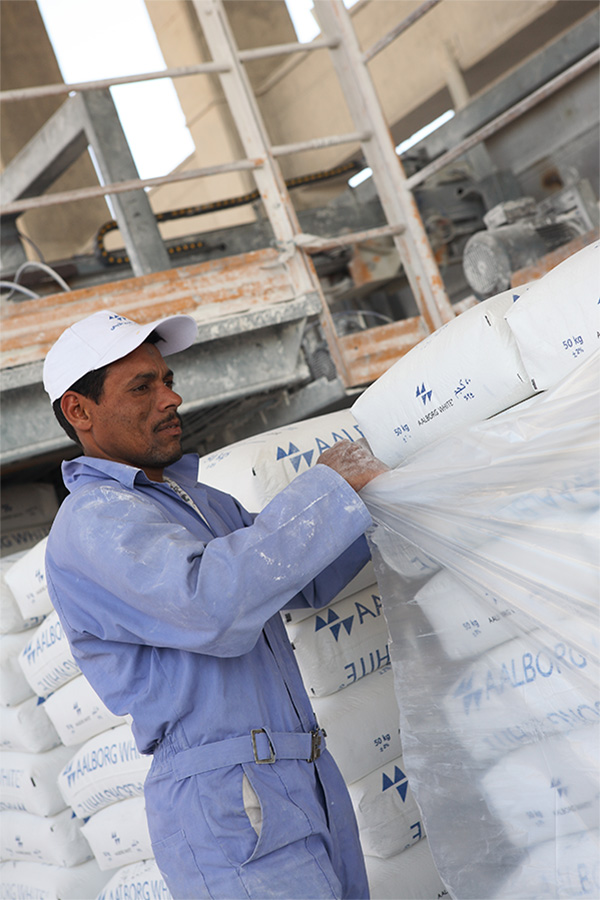
Cement Distribution Tanzania: A Guide to Suppliers, Logistics, and Reliable Supply
Cement distribution is an essential part of Tanzania’s construction supply chain. Contractors, building material retailers, wholesalers, developers, and construction companies depend on organized distribution to obtain the materials they need for residential, commercial, industrial, and infrastructure projects. An effective distribution process connects cement manufacturers and suppliers with buyers while helping manage product availability, transportation, storage, and purchasing costs.
As construction projects vary in size and technical requirements, buyers need to consider more than the price of cement. Product specifications, order quantities, packaging, delivery arrangements, storage conditions, and supplier communication all influence the purchasing process. These considerations are particularly important for businesses sourcing specialized materials such as white cement for decorative and architectural applications.
Bora Misr provides white cement supply solutions for construction businesses and material buyers in Tanzania. Understanding how cement distribution works can help businesses assess suppliers, plan procurement, and make informed decisions about their construction material requirements.
What Is Cement Distribution?
Cement distribution is the process of moving cement from manufacturers or supply sources to wholesalers, distributors, retailers, contractors, and end users. Depending on the commercial arrangement, this process may involve purchasing, storage, order processing, transportation, handling, and delivery coordination.
Distribution networks can serve customers purchasing small quantities for individual projects as well as businesses requiring larger volumes for ongoing construction activities. The structure of the supply chain varies according to the product, supplier, location, transportation options, and commercial agreements.
A typical cement distribution process may include:
- Identifying the required cement type and technical specifications.
- Confirming product availability and order quantities.
- Agreeing on pricing, packaging, and commercial terms.
- Planning transportation and delivery arrangements.
- Receiving and inspecting the supplied materials.
- Storing cement under suitable conditions until it is needed.
- Coordinating subsequent orders according to project demand.
Each stage requires appropriate planning. Delays, poor storage, damaged packaging, and inaccurate demand estimates can increase costs and interrupt construction work.
Why Is Cement Distribution Important in Tanzania?
Construction projects require materials to be available at the right time and in suitable quantities. Cement distribution helps connect construction demand with supply sources, supporting the procurement activities of contractors, retailers, developers, and other businesses.
1. Supporting Construction Schedules
Concrete placement, masonry, plastering, and other cement-related activities often depend on carefully coordinated work schedules. When cement is unavailable, site activities may be delayed, affecting labor planning and other construction operations.
Working with a supplier that communicates clearly about availability and delivery arrangements can help buyers coordinate purchases more effectively. Contractors should confirm delivery estimates before committing to project schedules.
2. Improving Inventory Management
Distributors and building material retailers need to balance available stock against expected customer demand. Excessive inventory can increase storage and handling costs, while insufficient stock may lead to missed sales or delayed customer orders.
Reviewing historical sales, monitoring inventory levels, and communicating with suppliers can help businesses develop more practical purchasing plans.
3. Connecting Businesses with Specialized Materials
Not every construction project uses the same cement product. Some applications require materials with specific technical characteristics or a particular appearance. White cement, for example, may be selected for suitable decorative concrete products, terrazzo, architectural finishes, and precast elements.
Distributors serving these applications should understand the product specifications, packaging requirements, and intended uses of the materials they supply.
4. Managing Transportation and Supply Costs
Transportation and handling can represent an important part of the total cost of cement procurement. The distance between the supply source and delivery destination, order volume, packaging, and transport arrangements may all influence the final expense.
Comparing complete quotations rather than looking only at the product price helps businesses evaluate the overall cost of obtaining cement.
Types of Cement Distributed in Tanzania
The products available through a distribution network depend on the supplier and the requirements of its customers. Buyers should always confirm the exact product specifications and suitability for the intended application.
General-Purpose Cement
Suitable general-purpose cement products are used in a range of construction activities, including concrete, mortar, masonry, and other building applications. The appropriate product depends on the project specifications, required performance, exposure conditions, and applicable standards.
Contractors should follow the specified mix design and avoid substituting one cement product for another without confirming its suitability.
White Portland Cement
White Portland cement is commonly considered for applications where a light-colored cement base is required. Depending on the product specifications and formulation, it can be used in decorative concrete products, architectural details, selected precast components, terrazzo, tiles, and ornamental work.
Its light color can provide flexibility in certain decorative applications, including some colored cement-based mixtures. However, the final appearance depends on the cement, aggregates, pigments, water content, curing, and finishing methods.
For general background, see white cement.
Cement for Precast Manufacturing
Precast manufacturers use cement-based mixtures to produce components in molds or controlled production facilities. These may include paving products, architectural panels, decorative elements, and other precast building components.
Manufacturers must consider the required strength, dimensional accuracy, surface finish, production method, and curing process when selecting materials. The cement should meet the specifications established for the product.
Cement for Decorative and Architectural Applications
Decorative construction projects may require cement for specialized finishes, ornamental features, terrazzo, tiles, and selected architectural details. In these applications, color consistency, aggregate selection, and finishing procedures can be especially important.
Distributors serving this market should provide clear product information so customers can assess whether the cement is suitable for their proposed use.
How to Choose a Cement Distributor in Tanzania
Selecting a distributor requires an evaluation of product suitability, commercial terms, logistics, and communication. A suitable supply arrangement should support the buyer’s requirements without creating unnecessary cost or uncertainty.
1. Confirm Product Availability
Before placing an order, ask whether the required cement type and quantity are available. For large or recurring orders, discuss anticipated demand and procurement schedules in advance.
Buyers should avoid assuming that every distributor carries every cement type or can supply any quantity immediately.
2. Review Product Documentation
Request the relevant technical data, product identification, and documentation needed to evaluate the cement. Confirm that the material meets the specifications and standards required for the project.
For structural applications, the selection must follow the approved engineering requirements. A distributor’s product description should not replace technical verification by the responsible professional.
3. Compare Pricing Transparently
Request quotations that clearly identify the product, quantity, packaging, delivery arrangements, and applicable charges. Where relevant, confirm whether transportation, handling, taxes, and other expenses are included.
Comparing quotations on the same basis makes it easier to identify the most suitable commercial offer.
4. Evaluate Logistics and Delivery
Transportation arrangements should match the order size and delivery location. Businesses should confirm the destination, unloading responsibilities, expected delivery window, and procedures for reporting damaged or missing materials.
For recurring orders, coordinating deliveries with construction progress can help prevent unnecessary storage and reduce the risk of material shortages.
5. Assess Communication and Support
Clear communication helps buyers resolve questions about specifications, order quantities, packaging, and delivery. A distributor should be able to explain the commercial terms and provide the product information available for the materials being supplied.
6. Consider Long-Term Supply Requirements
Contractors, wholesalers, and retailers with regular demand should assess whether a supplier can accommodate their purchasing patterns. Discussing forecast quantities and potential future orders can help both parties plan more effectively.
Bulk Cement Distribution in Tanzania
Bulk purchasing can be relevant to construction companies, wholesalers, building material retailers, and distributors serving multiple customers. Larger orders may simplify procurement for some businesses, but the benefits depend on pricing, transportation, storage capacity, and actual demand.
Before arranging a bulk order, buyers should evaluate the following factors:
- Demand forecasts: Estimate expected consumption or sales based on realistic project schedules and customer requirements.
- Order quantity: Select a quantity that matches operational needs and available storage.
- Product consistency: Confirm the product specifications and requirements for repeat orders.
- Transportation: Agree on the delivery destination, handling arrangements, and applicable charges.
- Storage capacity: Ensure that the receiving location can protect the cement from moisture and damage.
- Commercial terms: Clarify payment conditions, quotation validity, packaging, and responsibilities for delivery.
- Reordering process: Establish how future orders will be requested and confirmed.
Bulk purchasing should be based on a clear understanding of total cost and expected consumption. Ordering more cement than a business can store or use appropriately may create additional handling costs and increase the risk of material deterioration.
Factors That Affect Cement Distribution Costs
The total cost of cement distribution in Tanzania varies according to the product, order details, supply source, and delivery arrangements. Buyers should request a current, project-specific quotation rather than relying on a general estimate.
| Cost Factor | How It Can Affect the Order |
|---|---|
| Cement type | Different products may have different manufacturing, sourcing, and supply costs. |
| Order quantity | The quantity may affect commercial terms, handling, and transportation arrangements. |
| Packaging | Packaging type and handling requirements can influence the overall cost. |
| Transportation | Distance, route, transport method, and delivery location may affect freight expenses. |
| Handling and storage | Loading, unloading, warehousing, and stock protection may add to the total expense. |
| Import and administrative costs | Depending on the supply arrangement, applicable duties, taxes, documentation, or clearance costs may need to be considered. |
For additional information about cement-related pricing topics, explore the Tanzania cement prices category and the cement prices category on the Bora Misr website.
Storage and Quality Control in Cement Distribution
Proper storage is essential because cement can deteriorate when exposed to moisture or unsuitable conditions. Distributors and buyers should establish handling procedures that protect the material from damage throughout the supply chain.
Protect Cement from Moisture
Bagged cement should be stored in a dry, protected area according to the manufacturer’s instructions. Packaging should be checked for damage, and the storage area should be arranged to reduce exposure to rain, ground moisture, and leaks.
Inspect Deliveries on Arrival
When a shipment arrives, receiving personnel should check the product identification, quantity, packaging condition, and relevant delivery documents. Any discrepancies or visible damage should be recorded and reported according to the agreed procedure.
Manage Inventory Carefully
Maintaining accurate stock records helps businesses monitor inventory, identify older stock, and plan reorders. Where appropriate, stock should be rotated in line with product instructions and applicable quality procedures.
Follow Product Recommendations
Distributors should communicate relevant handling and storage guidance to customers when such information is available. Buyers should follow the manufacturer’s instructions and avoid using material whose condition or suitability is uncertain without an appropriate assessment.
White Cement Distribution Solutions with Bora Misr
White cement can be an important material for construction businesses that manufacture or install decorative products and architectural finishes. Its light color makes it relevant to selected applications where the appearance of the cement-based material is part of the design.
Bora Misr focuses on white cement supply solutions for construction businesses and material buyers in Tanzania, with supply associated with Sinai White Portland Cement. Contractors, distributors, and wholesalers can contact the company to discuss their requirements and determine whether the available product is suitable for their intended application.
To help clarify a supply inquiry, buyers should provide:
- The required cement type and intended application.
- The approximate quantity or expected recurring demand.
- The preferred packaging or order format, if applicable.
- The delivery destination in Tanzania.
- The relevant technical specifications or project requirements.
- The anticipated purchasing schedule.
These details help establish the scope of the inquiry and make it easier to discuss product information, availability, and logistics. Buyers should verify specifications and confirm the final commercial terms directly before placing an order.
Learn more about the company on the Bora Misr About Us page, or submit a supply inquiry through the Contact Us page.
Common Challenges in Cement Distribution
Distributors and construction buyers may encounter challenges that affect supply planning, customer service, and operating costs. Understanding these issues helps businesses develop more reliable procurement procedures.
- Demand fluctuations: Changes in construction activity can make it difficult to forecast the exact quantity required.
- Transportation delays: Logistics issues may affect delivery schedules, so buyers should communicate early about critical orders.
- Storage limitations: Insufficient protected storage can increase the risk of damage and create inventory problems.
- Unclear product requirements: Incorrect assumptions about cement type or specifications can lead to unsuitable purchases.
- Price changes: Buyers should confirm quotation validity and the commercial terms that apply to each order.
- Inaccurate inventory records: Regular stock checks and documented transactions help reduce shortages and ordering errors.
Planning, accurate documentation, supplier communication, and suitable storage procedures can help reduce these risks. Businesses should also maintain a clear process for handling delivery discrepancies and product-related questions.
Frequently Asked Questions About Cement Distribution in Tanzania
What is cement distribution in Tanzania?
Cement distribution is the process of supplying cement from manufacturers or supply sources to wholesalers, retailers, contractors, developers, and other buyers. It can include order processing, storage, transportation, handling, and delivery coordination.
How can I find cement distributors in Tanzania?
Contact suppliers that serve your required location and ask about product availability, specifications, packaging, minimum order requirements, transportation, and commercial terms. Compare quotations using the same requirements to evaluate the available options.
Can I purchase white cement through a distribution supplier?
White cement may be available through suppliers that specialize in or handle this product. Availability, quantity, packaging, and delivery arrangements should be confirmed directly with the supplier.
What affects cement distribution prices?
The total cost may depend on the cement type, order size, packaging, transportation, handling, storage, and applicable import-related charges. Request a quotation that clearly explains the included and excluded costs.
Is bulk cement purchasing suitable for every business?
No. Bulk purchasing may suit businesses with predictable demand, adequate storage, and suitable handling arrangements. Buyers should compare potential commercial benefits against inventory costs and the risk of ordering more material than they can use appropriately.
How should cement be stored after delivery?
Cement should be protected from moisture and stored according to the manufacturer’s instructions. Buyers should inspect packaging, maintain suitable storage conditions, and follow appropriate stock-management procedures.
Why is product documentation important?
Product documentation helps buyers verify the cement type, technical characteristics, and intended applications. Contractors should confirm that the material meets project specifications and applicable standards before use.
Conclusion
Cement distribution in Tanzania supports the construction industry by connecting suppliers with contractors, wholesalers, retailers, and project owners. Effective distribution requires careful coordination of product specifications, purchasing, transportation, storage, and delivery arrangements.
For buyers, choosing a suitable supplier means evaluating the complete supply arrangement rather than focusing only on the quoted price. Accurate demand planning, clear commercial terms, proper storage, and verification of product specifications can help reduce waste and improve procurement decisions.
For businesses seeking white cement supply solutions for suitable decorative and architectural applications, Bora Misr offers a contact point for discussing requirements in Tanzania. Sharing the intended application, quantity, destination, and relevant specifications can help buyers begin a more focused supply inquiry.
لا تعليق