
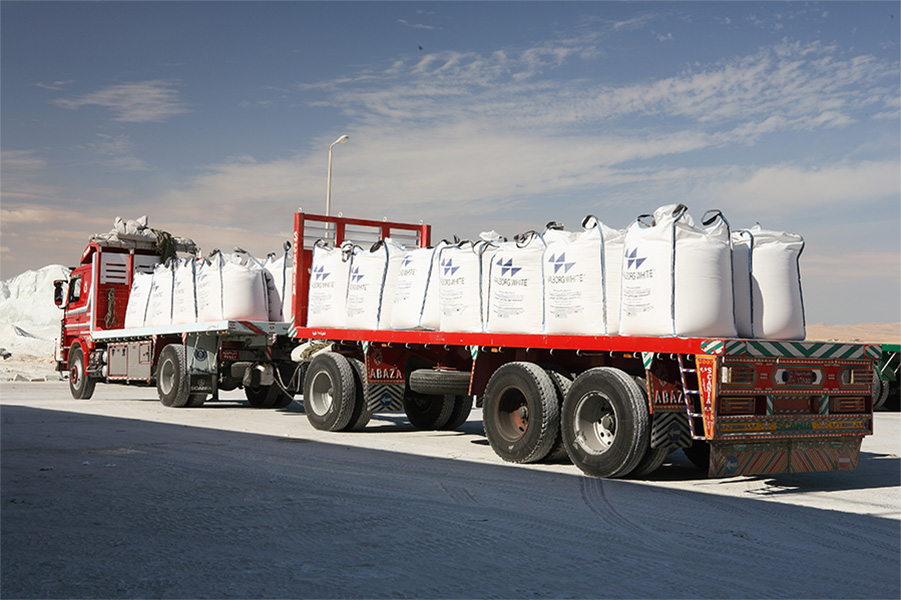
Cement Supplier in Tanzania: A Complete Guide to Quality Cement Supply
Choosing a reliable cement supplier in Tanzania is an important decision for contractors, construction companies, property developers, building-material distributors, and individual property owners. Cement is a fundamental construction material, and its availability, technical specifications, storage condition, and transportation arrangements can influence project planning, material costs, and construction quality.
Whether you are working on a residential building, commercial development, renovation, infrastructure project, or decorative architectural feature, selecting the appropriate cement is essential. Buyers need to consider more than the price per bag. Product specifications, order quantities, delivery costs, supplier communication, and compliance with project requirements should all be part of the purchasing process.
Tanzania’s construction market includes projects with different material requirements, from conventional building work to specialised decorative applications. Understanding these differences can help buyers identify a suitable supplier and avoid purchasing materials that do not match their intended use.
For businesses looking for white cement supply options, Bora Misr provides information and supply support related to white cement for the Tanzanian market. Buyers can discuss their requirements and request further information before making procurement decisions.
What Does a Cement Supplier Do?
A cement supplier connects construction businesses and individual buyers with the cement products they need for their projects. Depending on the business, a supplier may operate as a manufacturer, importer, wholesaler, distributor, or retailer.
Suppliers can differ in the cement types they offer, their minimum order quantities, packaging options, delivery arrangements, and the documentation available for their products. Some focus on general construction materials, while others specialise in products such as white cement for decorative and architectural applications.
A suitable supplier should provide clear information about the product being offered and the commercial conditions of the order. Buyers should also be able to confirm the product specification and assess whether it meets the requirements established for the project.
Manufacturers and Importers
Manufacturers produce cement according to their production processes and product specifications. Importers source cement from external markets and arrange the associated commercial and logistical processes.
When purchasing through these channels, buyers may need to consider shipment quantities, freight costs, import-related charges, storage, and inland transportation. These factors can influence the final cost of obtaining cement at the construction site.
Wholesale Cement Suppliers
Wholesale suppliers serve customers who require larger quantities, including construction companies, retailers, contractors, and building-material distributors. Their commercial arrangements may depend on order volume, product availability, delivery destination, and payment terms.
Businesses considering wholesale purchasing should request a written quotation that identifies the product, quantity, unit price, transportation charges, and any minimum order requirements.
Retail Cement Suppliers
Retail suppliers are often suitable for smaller projects, repairs, and renovation work. Buyers can purchase quantities appropriate to their needs without necessarily arranging a large shipment.
Even when purchasing small quantities, customers should inspect the packaging, verify the product label, and confirm that the cement is suitable for the intended application.
Why Choosing the Right Cement Supplier Matters
The supplier you choose can influence procurement efficiency and the consistency of your construction materials. A well-organised purchasing process helps reduce uncertainty and supports better coordination between material deliveries and site activities.
1. Product Quality and Specifications
Cement products may differ in composition, technical properties, intended use, and applicable standards. Buyers should request relevant product information and confirm that the selected material meets the project’s requirements.
For structural construction, the cement must be appropriate for the approved design and applicable standards. A supplier’s product description should be checked against the technical requirements rather than relying on general claims about quality.
2. Consistent Material Availability
Construction schedules often depend on the timely availability of cement and other essential materials. A shortage can affect planned work, labour coordination, and equipment use.
Discussing anticipated quantities and purchasing schedules with the supplier helps contractors plan procurement in advance. For larger projects, staged orders may be useful when they match the construction programme and available storage capacity.
3. Transparent Pricing
A competitive unit price is important, but it does not represent the entire cost of purchasing cement. Buyers should also consider transport, handling, packaging, applicable taxes, and other charges specified in the quotation.
Comparing complete quotations makes it easier to evaluate the total cost and identify differences between suppliers. It also helps avoid unexpected expenses after an order has been confirmed.
4. Delivery and Logistics
The distance between the supply point and the project site can affect transport costs and delivery arrangements. Road access, unloading requirements, shipment size, and local conditions may also influence the process.
Before placing an order, provide accurate destination details and confirm the expected delivery window, unloading responsibilities, and any restrictions that may affect access to the site.
Types of Cement to Consider for Construction Projects
The right cement depends on the application, design requirements, exposure conditions, and specifications established by the project team. Buyers should confirm the suitability of each product before ordering.
Ordinary Portland Cement
Ordinary Portland cement is commonly associated with general construction applications, including concrete and mortar, where the product meets the relevant project specification. Its suitability for a particular use depends on its documented properties and the requirements of the design.
When purchasing, check the product designation, applicable standard, packaging details, and technical documentation. Do not assume that every cement product is interchangeable simply because it is marketed for construction.
White Portland Cement
White cement is manufactured to achieve a light colour and is often selected for decorative and architectural applications. It may be used in terrazzo, decorative concrete, selected precast elements, ornamental features, and finishes where appearance is important.
Its light colour can provide a suitable base for certain decorative effects, but the final result also depends on the aggregates, pigments, water, mixing process, curing conditions, and finishing techniques.
White cement should be selected according to its technical specification and intended application. For structural work, the product must satisfy the requirements of the approved engineering design and applicable standards.
Specialised Cement Products
Some construction applications require cement products with specific properties or intended uses. The correct choice depends on the project’s environmental conditions, performance requirements, and relevant technical standards.
Buyers should explain their intended use to the supplier and request documentation that allows their technical team to assess whether the product is appropriate.
How to Choose a Reliable Cement Supplier in Tanzania
Evaluating suppliers using consistent criteria helps buyers make informed decisions and reduces the risk of purchasing unsuitable materials.
- Define your requirements: Identify the cement type, quantity, intended application, and technical specifications.
- Check the supplier’s business information: Verify contact details and request clear documentation about the product being offered.
- Confirm availability: Ask whether the required quantity can be supplied under the proposed purchasing schedule.
- Request a written quotation: Ensure the quotation identifies the product, quantity, unit price, and applicable charges.
- Compare delivery options: Confirm transportation costs, destination coverage, unloading arrangements, and the proposed delivery window.
- Review technical documentation: Request relevant specifications and quality documents before approving the purchase.
- Inspect the shipment: Check packaging, product identification, quantities, and visible damage upon receipt.
- Confirm storage requirements: Prepare a dry, protected location for the cement before delivery.
For large purchases, businesses should also clarify payment conditions, quotation validity, procedures for reporting discrepancies, and responsibilities if the delivery arrangements change.
Factors That Affect Cement Prices in Tanzania
Cement prices can vary between suppliers and locations. The final cost depends on both the product itself and the expenses associated with transporting it to the buyer.
Product Type and Technical Requirements
Different cement products may have different production costs and technical characteristics. White cement, for example, is often selected for projects where a light-coloured finish is required and may have a different price from cement used for general construction.
Compare products with equivalent specifications and intended uses. A lower price is not necessarily better if the material does not meet the project’s requirements.
Order Quantity
The number of bags or total shipment volume can influence purchasing terms and transport arrangements. Some suppliers may provide different quotations for retail, wholesale, or larger orders.
Buyers should request pricing for their actual quantity and compare the cost using a consistent unit, such as price per bag or per tonne.
Transportation and Delivery Location
Freight charges, fuel costs, distance, road conditions, and unloading requirements can affect the total delivered cost. A quotation for one destination may not apply to another location.
Providing a clear delivery address helps suppliers estimate the relevant logistical requirements and prepare a more useful quotation.
Import and Market Conditions
Imported cement products may be affected by shipping rates, exchange rates, handling expenses, and other market conditions. These factors can change over time and influence the price offered to buyers.
Request an up-to-date quotation before committing to a purchase, and confirm how long the quoted price remains valid.
Bulk Cement Supply for Contractors and Distributors
Bulk purchasing can be relevant to contractors managing multiple construction activities, building-material retailers, and distributors serving different customers. The appropriate order size depends on expected consumption, storage capacity, project timing, and the supplier’s commercial terms.
Before arranging a large order, estimate the material required for the relevant construction phase and consider the time needed to use the cement. Purchasing more than the project can store safely may increase the risk of moisture exposure, deterioration, and unnecessary inventory costs.
When requesting a wholesale quotation, provide the following information:
- The required cement type and product specification.
- The estimated number of bags or total shipment quantity.
- The destination and preferred delivery schedule.
- The packaging or handling requirements.
- The storage capacity available at the receiving site.
- Any documentation required for quality control or project approval.
Clear communication allows the supplier to assess the order and explain which purchasing and delivery arrangements are available.
Cement Delivery and Proper Storage
Protecting cement after purchase is essential because exposure to moisture can affect its condition. Proper planning should cover both transportation and storage at the destination.
Before Delivery
Prepare a dry, covered storage area with suitable protection from ground moisture. Confirm that the vehicle can reach the unloading point and that adequate space, workers, or equipment will be available.
When the Shipment Arrives
Check the quantity, product identification, and condition of the packaging against the order documents. Record any shortages, torn bags, or visible moisture damage and report discrepancies promptly.
After Delivery
Keep cement in a dry, protected location and follow the manufacturer’s storage guidance. Organise inventory so that suitable stock is used appropriately, and avoid using cement that has visibly deteriorated without an appropriate assessment.
Good storage and handling practices help preserve material condition and support better quality control throughout the construction process.
Why Consider Bora Misr for White Cement Supply?
For contractors, construction businesses, and distributors seeking white cement for projects in Tanzania, Bora Misr is a point of contact for discussing supply requirements and available purchasing options.
White cement can be relevant to decorative concrete, terrazzo, selected precast products, and architectural finishes. Buyers should identify their intended application, required quantity, delivery destination, and technical requirements when making an enquiry.
Before confirming an order, ask for a clear quotation that explains the product specification, packaging, transport arrangements, applicable charges, payment terms, and quotation validity. These details help you assess whether the proposed supply arrangement suits your project.
You can learn more about the company through the Bora Misr About Us page. To discuss a specific requirement, visit the Contact Us page and provide the details of your enquiry.
For buyers who need ordinary cement for general construction rather than white cement, the product type and supply availability should be confirmed directly with the prospective supplier before placing an order.
Frequently Asked Questions About Cement Suppliers
1. How do I find a cement supplier in Tanzania?
Identify the cement type and quantity you need, then compare suppliers based on product specifications, documentation, quotation terms, transportation costs, and delivery arrangements. Confirm that the selected product meets the requirements of your project.
2. What should I check before buying cement?
Review the product description, applicable technical specifications, packaging condition, quantity, unit price, delivery charges, and storage requirements. For structural applications, follow the approved design and relevant standards.
3. Is buying cement in bulk more economical?
Bulk orders may offer different commercial terms, but savings are not guaranteed. Compare the full cost, including transportation and storage, and ensure that the quantity can be stored safely and used within an appropriate period.
4. What is the difference between white cement and ordinary cement?
White cement is manufactured to achieve a light colour and is often selected for decorative or architectural applications. Other cement products may be used for general construction, depending on their specifications. The correct choice depends on the intended use and technical requirements.
5. How can I compare cement supplier quotations?
Compare equivalent products and quantities. Review the unit price, delivery costs, packaging, payment terms, quotation validity, and any additional charges to establish the total purchasing cost.
6. How should cement be stored after delivery?
Store cement in a dry, covered area protected from rain and ground moisture. Keep packaging intact where possible and follow the manufacturer’s storage instructions.
7. Where can I enquire about white cement supply in Tanzania?
You can visit Bora Misr’s contact page to discuss white cement requirements. Include the quantity, destination, intended application, and any relevant technical specifications in your enquiry.
Conclusion
Finding a suitable cement supplier in Tanzania requires careful consideration of product specifications, price, order quantity, delivery arrangements, and storage conditions. Contractors, developers, distributors, and property owners can make better purchasing decisions by comparing complete quotations and verifying that the chosen material meets their project requirements.
Planning deliveries in advance, inspecting materials upon arrival, and protecting cement from moisture can also help reduce avoidable waste and procurement problems. For specialised applications such as decorative concrete and architectural finishes, buyers should pay particular attention to product selection and technical suitability.
If your project requires white cement, visit Bora Misr to learn more about supply options for the Tanzanian market and submit an enquiry through the company’s contact page.
لا تعليق