
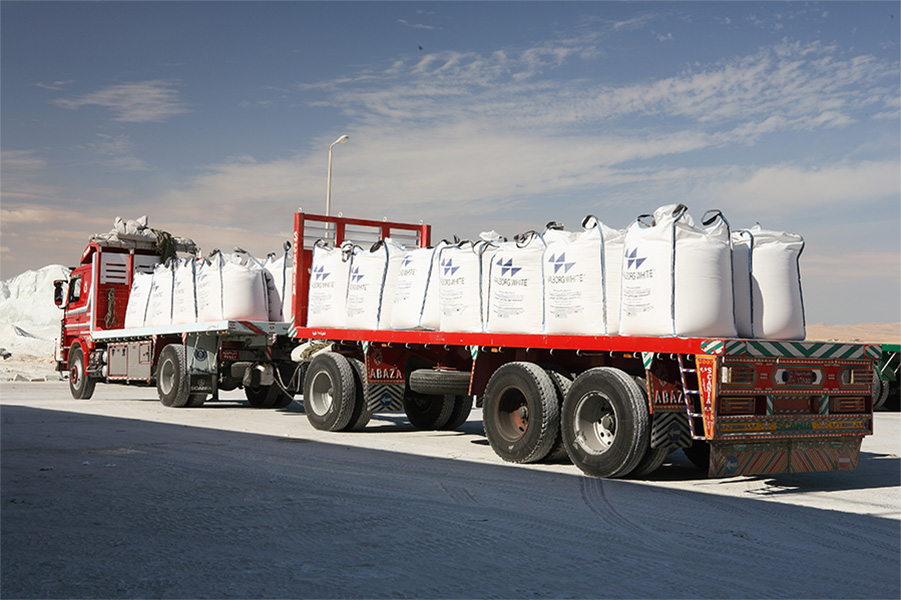
White Cement Price in Tanzania: Cost Factors, Uses, and Buying Guide
Understanding the white cement price in Tanzania is an important step for contractors, construction companies, distributors, architects, and property owners planning projects that require attractive finishes and consistent material quality. White cement is widely used in decorative concrete, architectural finishes, terrazzo, tiles, ornamental elements, and other applications where a clean, bright appearance is desired.
Unlike ordinary grey cement, white cement is selected primarily for projects where colour, appearance, and finishing quality are important considerations. Its final cost can vary depending on the product specification, order quantity, transportation arrangements, supplier, and delivery location. Comparing these factors helps buyers make informed purchasing decisions without compromising project requirements.
For businesses seeking a dependable supply partner, Bora Misr provides information and support related to white cement supply for the Tanzanian market, helping construction professionals explore suitable purchasing options for their projects.
What Is White Cement?
White cement is a specialised cement manufactured to achieve a light colour. Its production uses carefully selected raw materials and manufacturing processes designed to limit the compounds responsible for the grey appearance commonly associated with ordinary Portland cement.
It is used in applications where visual appearance is an essential part of the finished construction. Depending on the product specification and the intended application, white cement can be combined with suitable aggregates, pigments, and other compatible materials to create a range of decorative finishes.
In Tanzania, white cement may be considered for residential developments, commercial buildings, hotels, landscaping features, precast products, and renovation projects. Buyers should always confirm that the selected product meets the technical requirements of the intended application.
White Cement Price in Tanzania: What Determines the Cost?
There is no single white cement price that applies to every purchase in Tanzania. The final amount depends on several commercial and logistical factors. Understanding these variables makes it easier to request comparable quotations and prepare a realistic construction budget.
1. Product Quality and Specifications
White cement products may differ in colour consistency, technical properties, packaging, and intended use. Products designed for particular architectural or decorative applications may have specifications that influence their price.
When comparing quotations, check the product description and technical documentation rather than relying on the price alone. The lowest-priced option may not be the most economical choice if it does not meet the project’s finishing or performance requirements.
2. Order Quantity
The quantity purchased can significantly affect the overall cost. Individual bags may be appropriate for small renovation jobs, decorative details, and sample work, while larger orders may be more suitable for contractors, construction companies, and distributors.
Wholesale or bulk enquiries may allow suppliers to prepare quotations based on the total volume, packaging requirements, and delivery arrangements. However, any discount or price advantage depends on the supplier’s current commercial terms and should be confirmed directly.
3. Shipping and Transportation
Transportation is an important part of the landed cost of imported white cement. Freight charges, handling, port-related expenses, inland transport, and the final delivery location can all influence the amount paid by the buyer.
A quotation for cement delivered to Dar es Salaam may differ from one for a project located inland or in another region of Tanzania. Buyers should establish whether the quotation covers transportation and handling or whether these costs will be charged separately.
4. Supplier and Distribution Channel
Prices may vary between manufacturers, importers, distributors, and local retailers. Each supplier may have different purchasing arrangements, stock availability, order requirements, and delivery options.
Working with a supplier that clearly explains product specifications, quotation terms, and shipping arrangements can help reduce uncertainty. Businesses should also confirm the supplier’s identity and review the documentation provided before making payment.
5. Market Conditions and Currency Exchange
Imported construction materials can be affected by changes in freight rates, exchange rates, supplier costs, and wider market conditions. These factors may cause quotations to change over time.
For this reason, buyers should request a current quotation when planning a purchase instead of relying on an old price shared in a previous project or online article.
How to Request an Accurate White Cement Price
To receive a useful quotation, provide the supplier with enough information to calculate the expected cost of the order. A clear enquiry helps avoid misunderstandings about product type, quantity, and delivery responsibilities.
- Specify the product: State that you require white cement and identify any relevant technical or application requirements.
- Confirm the quantity: Indicate the number of bags, total weight, or approximate volume required.
- Provide the delivery location: Specify the city, project site, or preferred delivery point in Tanzania.
- Ask about packaging: Confirm available bag sizes or other packaging arrangements.
- Request a cost breakdown: Ask whether the quotation includes freight, handling, inland transport, taxes, and other applicable charges.
- Check the quotation validity: Confirm how long the quoted price remains valid and whether payment terms apply.
- Review the product documentation: Request relevant specifications and quality documents before confirming the order.
These details make it easier to compare suppliers on a like-for-like basis and estimate the total cost of obtaining the material at the project site.
White Cement Price Comparison: What Should Buyers Check?
When evaluating quotations, compare more than the price per bag. The following table highlights the main points to review before making a purchase.
| Comparison Factor | What to Check | Why It Matters |
|---|---|---|
| Product specification | Intended application and technical documentation | Helps confirm suitability for the project |
| Unit price | Price per bag, tonne, or quoted quantity | Provides a consistent basis for comparison |
| Order quantity | Minimum order and volume requirements | Clarifies purchasing commitments |
| Transport costs | Freight, handling, and inland delivery | Helps estimate the total landed cost |
| Packaging and storage | Packaging condition and moisture protection | Supports proper handling and material preservation |
| Delivery arrangements | Destination, schedule, and delivery responsibilities | Helps coordinate procurement with construction work |
| Payment terms | Deposit, balance, and quotation validity | Reduces commercial uncertainty |
Common Uses of White Cement in Tanzania
The intended application is an important factor when selecting white cement. Choosing a suitable product can help buyers avoid unnecessary costs and achieve the appearance required by the design.
Decorative Wall Finishes
White cement is used in certain decorative renders, surface finishes, and architectural details. Its light colour can provide a suitable base for bright finishes and selected colour effects. Proper surface preparation, mixing, curing, and application remain essential to achieving a consistent result.
Terrazzo and Decorative Flooring
White cement may be used in terrazzo and other decorative flooring systems, depending on the system design. It can help create a light background that highlights selected aggregates, chips, or decorative elements.
Precast Concrete and Architectural Elements
Some precast products, ornamental components, decorative panels, and architectural elements use white cement to achieve a specific visual appearance. The mix design and manufacturing process should be selected according to the required strength, finish, and service conditions.
Tiles, Mosaics, and Decorative Products
White cement can be an ingredient in selected cement-based decorative products. Buyers should distinguish between white cement as a raw material and ready-made tile adhesives, grouts, or other formulated products, as they are not automatically interchangeable.
Residential and Commercial Projects
Architects and property developers may specify white cement for selected interior or exterior features in homes, offices, hotels, and commercial developments. For structural concrete, the material must meet the project’s engineering specifications; colour alone is not evidence of structural suitability.
White Cement vs Grey Cement: Is the Price Difference Worth It?
White cement is often chosen for its appearance, while grey cement is commonly used in general construction applications where a grey finish is acceptable. Their differences extend beyond colour, and the correct choice depends on the project’s requirements.
| Feature | White Cement | Grey Cement |
|---|---|---|
| Appearance | Light colour suitable for decorative finishes | Grey colour typical of ordinary cement |
| Common applications | Selected architectural and decorative work | General construction and other specified applications |
| Cost considerations | Often involves a higher material cost | Frequently more economical for general construction |
| Colour flexibility | Useful where a light base is required | May influence the final shade of decorative mixes |
| Selection criteria | Finish, specification, and intended use | Engineering requirements, finish, and intended use |
Although white cement may have a higher purchase price, it can be appropriate where the visual finish is a central design requirement. For ordinary structural work, the choice should be based on the engineer’s specification and applicable standards rather than appearance or price alone.
Tips for Buying White Cement in Tanzania
Careful purchasing decisions can help contractors and distributors manage their budgets while maintaining appropriate material quality.
- Buy from a verifiable supplier: Check the business’s contact details, product information, and quotation documents.
- Confirm product identity: Ensure the product supplied matches the description and specifications in the quotation.
- Compare total costs: Include transport and other applicable charges when comparing offers.
- Plan quantities carefully: Estimate material requirements with the contractor or project team to reduce excess purchases.
- Inspect packaging: Avoid bags that are torn, wet, or visibly damaged.
- Store cement correctly: Keep bags in a dry, covered, well-ventilated area and protect them from ground moisture.
- Follow technical guidance: Use the recommended mixing, application, and curing procedures for the intended product.
Proper storage is particularly important because cement can deteriorate when exposed to moisture. Material that has become hard or lumpy should be assessed appropriately rather than automatically used in a finished project.
Why Consider Bora Misr for White Cement Supply?
Finding the right supplier is an important part of managing white cement procurement. Bora Misr focuses on white cement supply for customers seeking materials for construction and decorative applications in Tanzania.
When evaluating Bora Misr or any other supplier, buyers should discuss their project requirements, required quantity, destination, preferred packaging, and delivery expectations before placing an order. These details help establish whether the proposed supply arrangement matches the project’s needs.
You can learn more about the company on the Bora Misr About Us page. For product enquiries and quotation requests, visit the Contact Us page and provide the information required to assess your order.
For construction businesses and distributors, early communication with a supplier can also support better planning, particularly when white cement must be coordinated with other materials and scheduled construction activities.
Frequently Asked Questions About White Cement Price
1. What is the current white cement price in Tanzania?
The current price depends on the product specification, order quantity, supplier, transport costs, and delivery location. Request an up-to-date quotation that clearly identifies what is included in the price.
2. Why is white cement often more expensive than grey cement?
White cement uses selected raw materials and manufacturing controls designed to achieve its light colour. These production requirements can increase its cost, although actual prices vary by product and market conditions.
3. Can I buy white cement in bulk in Tanzania?
Bulk and wholesale purchasing options depend on the supplier’s commercial arrangements, available stock, and shipping requirements. Contact the supplier with your estimated quantity and destination to discuss suitable options.
4. Is white cement suitable for structural concrete?
Suitability depends on the specific cement product, its technical properties, applicable standards, and the structural design. White colour does not guarantee suitability. Consult a qualified engineer and verify the relevant product documentation before using it in structural work.
5. How can I compare white cement suppliers?
Compare product specifications, quoted unit prices, transportation charges, packaging, documentation, payment terms, and delivery arrangements. Use the same quantity and destination when comparing quotations.
6. Where can I request a white cement quotation?
You can contact Bora Misr to discuss your white cement requirements for Tanzania. Include the quantity, destination, intended application, and any specific technical requirements in your enquiry.
Conclusion
Finding a suitable white cement price in Tanzania involves more than comparing the cost per bag. Product specifications, order volume, transportation, supplier terms, and the delivery destination all influence the final purchasing decision.
By requesting detailed quotations, verifying product information, planning quantities carefully, and choosing cement suited to the intended application, contractors and construction businesses can make better-informed procurement decisions. Whether the project involves decorative finishes, terrazzo, precast elements, or architectural details, selecting the right material and supply arrangement is essential.
To discuss your requirements, visit Bora Misr and submit an enquiry through the company’s contact page for information about white cement supply options for your project in
لا تعليق