
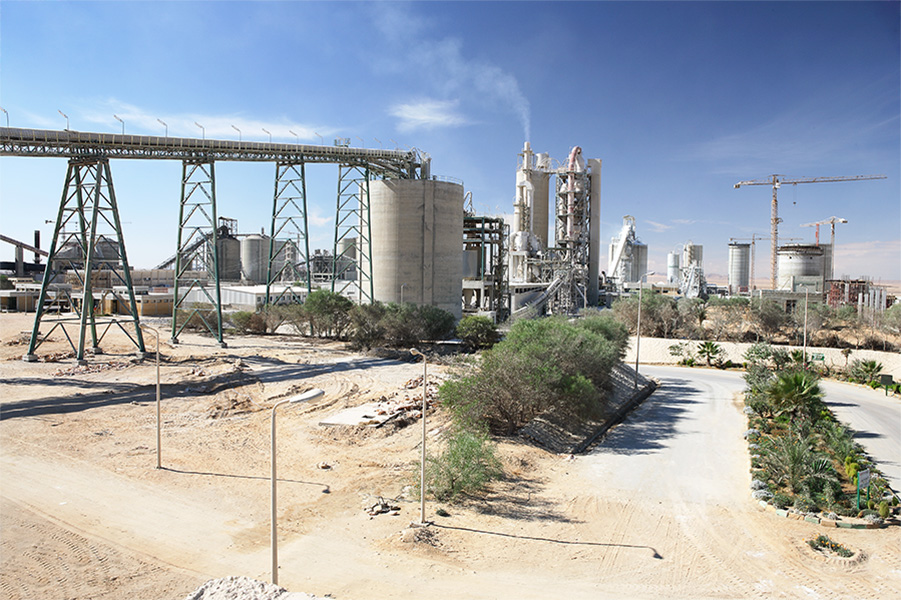
Concrete Portland: Complete Guide to Uses, Benefits, Types, and Applications
Construction companies, engineers, contractors, and developers need concrete materials that can provide dependable performance while meeting the technical requirements of each project. Concrete Portland is associated with concrete produced using Portland cement as the primary binding material, making it an important solution for a wide range of construction applications.
From foundations and structural frames to roads, slabs, bridges, commercial buildings, and infrastructure projects, Portland cement-based concrete remains one of the most widely used construction materials. Its performance depends on appropriate material selection, mix design, water content, aggregate quality, placement, compaction, and curing.
For companies involved in construction and material procurement, choosing reliable cement and building materials is an important part of project planning. Bora Misr provides cement and construction material solutions for contractors, engineers, developers, procurement companies, and other businesses in the construction sector.
What Is Concrete Portland?
Concrete Portland can be understood as concrete in which Portland cement serves as the principal hydraulic binder. Concrete itself is a composite material typically consisting of cement, water, fine aggregate, coarse aggregate, and, when required, chemical or mineral admixtures.
When water is added to Portland cement , hydration reactions begin. The resulting cement paste binds the aggregate particles together and gradually develops strength as the concrete hardens.
The final properties of Portland cement-based concrete are influenced by the proportions and quality of its components as well as the methods used during mixing, transportation, placement, finishing, and curing.
Why Is Portland Cement Important in Concrete?
Portland cement plays a central role in concrete production because it provides the binding phase that holds the aggregate system together after hydration.
Strength Development
Properly designed Portland cement concrete can develop the required compressive strength for a wide variety of construction applications. Strength development depends on cement characteristics, water-to-cement ratio, curing, age, and the overall mix design.
Versatility
Portland cement-based concrete can be designed for different strength levels, workability requirements, environmental conditions, and construction methods.
Durability
When an appropriate mix is selected and properly placed and cured, concrete can provide long-term performance in many building and infrastructure applications.
Wide Availability
Portland cement is widely used throughout the construction industry, making it an important material for both small-scale and large-scale projects.
Main Components of Portland Cement Concrete
Understanding the basic components of concrete is essential for engineers, contractors, and procurement teams.
Portland Cement
Portland cement acts as the hydraulic binder. Its hydration with water produces the cementitious matrix responsible for binding the aggregates.
Water
Water is necessary for cement hydration and also influences the workability of fresh concrete. Excessive water can negatively affect hardened concrete properties.
Fine Aggregate
Fine aggregate, commonly sand, fills spaces between larger aggregate particles and contributes to the overall structure of the concrete mixture.
Coarse Aggregate
Coarse aggregate such as crushed stone or gravel forms a major part of concrete volume and contributes to its mechanical properties and dimensional stability.
Admixtures
Chemical or mineral admixtures may be used when specific properties are required, such as improved workability, controlled setting, reduced water demand, or enhanced durability.
Common Applications of Concrete Portland
Portland cement-based concrete can be used across residential, commercial, industrial, and infrastructure projects.
- Building foundations.
- Reinforced concrete columns and beams.
- Concrete slabs.
- Walls and structural elements.
- Roads and pavements.
- Bridges and infrastructure.
- Industrial floors.
- Commercial buildings.
- Residential construction.
- Precast concrete components.
The appropriate concrete mix should always be selected according to the project’s engineering specifications, exposure conditions, required strength, construction method, and applicable standards.
For quality cement and construction material solutions, explore
Bora Misr.
Factors That Determine Concrete Portland Quality
The quality of Portland cement concrete cannot be determined by cement selection alone. Several factors work together to determine the final performance of the concrete.
Water-to-Cement Ratio
The water-to-cement ratio is one of the most important parameters affecting concrete performance. The amount of water should be controlled according to the approved mix design and required workability.
Aggregate Quality
Aggregates should have suitable physical characteristics, cleanliness, grading, and compatibility with the intended concrete application.
Mix Proportioning
A properly designed mixture balances strength, workability, durability, and economy. Incorrect proportions can result in poor performance or unnecessary material consumption.
Compaction
Proper compaction helps minimise unwanted air voids and supports the development of a dense and uniform concrete structure.
Curing
Adequate curing provides conditions that support cement hydration and strength development. Poor curing can reduce the expected performance of concrete.
Types of Portland Cement Used in Concrete
Different types of Portland cement may be selected according to the requirements of a construction project. The appropriate choice depends on factors such as required strength, setting characteristics, environmental exposure, durability requirements, and applicable technical standards.
Ordinary Portland Cement
Ordinary Portland Cement is commonly used for general construction applications. It can be suitable for concrete structures, foundations, slabs, columns, beams, and many residential and commercial projects where standard performance is required.
Portland Pozzolana Cement
Portland Pozzolana Cement contains pozzolanic materials that can contribute to specific performance characteristics. Depending on the formulation and application, it can provide useful durability and long-term performance benefits.
Portland Slag Cement
Portland Slag Cement incorporates ground granulated blast-furnace slag and may be considered for applications where durability and resistance to certain environmental conditions are important.
White Portland Cement
White Portland Cement is manufactured from carefully selected raw materials to achieve its characteristic light colour. It is commonly associated with architectural concrete, decorative surfaces, precast elements, and projects where appearance is a major consideration.
Advantages of Concrete Portland
The widespread use of Portland cement-based concrete is related to its combination of versatility, strength, availability, and adaptability.
- High versatility: Suitable for numerous construction applications.
- Structural capability: Can be designed to meet different strength requirements.
- Durability: Properly designed and cured concrete can provide long-term service.
- Design flexibility: Can be used in different structural shapes and configurations.
- Wide application range: Suitable for buildings, infrastructure, industrial projects, and civil works.
- Adaptable mix design: Mix proportions can be adjusted according to project requirements.
How to Choose the Right Portland Cement Concrete
Selecting the appropriate concrete solution requires more than simply choosing a cement type. Engineers and contractors should evaluate the complete set of project conditions before approving a concrete mix.
Determine the Required Strength
The required compressive strength should be established according to structural calculations, specifications, and applicable construction standards.
Evaluate Environmental Exposure
Concrete exposed to moisture, aggressive chemicals, marine conditions, temperature variations, or other demanding environments may require specific materials and mix designs.
Consider Workability
The concrete must have sufficient workability for transportation, placement, and compaction without compromising the approved water-to-cement ratio.
Assess Aggregate Properties
Aggregate size, grading, cleanliness, shape, and physical properties should be compatible with the intended concrete application.
Plan for Curing
The selected concrete system should be compatible with the curing conditions available on the construction site.
Common Mistakes When Producing Portland Cement Concrete
Adding Excess Water
Adding uncontrolled quantities of water may make fresh concrete easier to handle, but it can negatively affect the properties of hardened concrete.
Ignoring Aggregate Quality
Poor-quality or contaminated aggregates can affect concrete consistency and performance. Aggregate selection should follow the approved mix design.
Incorrect Proportioning
Changing the quantities of cement, water, aggregates, or admixtures without technical approval can alter the expected properties of the concrete.
Inadequate Compaction
Insufficient compaction can leave excessive air voids within concrete and may reduce its density and performance.
Poor Curing
Concrete needs appropriate curing conditions after placement. Neglecting curing can interfere with hydration and strength development.
Improper Storage of Cement
Cement should be protected from moisture during storage. Poor storage conditions can affect the material before it reaches the concrete mixture.
Concrete Portland Compared With Other Concrete Solutions
| Concrete Type | Main Characteristic | Typical Applications | Key Consideration |
|---|---|---|---|
| Portland Cement Concrete | Versatile general-purpose solution | Buildings, foundations, roads, infrastructure | Requires appropriate mix design and curing |
| High-Performance Concrete | Enhanced performance characteristics | Specialised structural projects | Requires precise material control |
| Precast Concrete | Factory-produced concrete components | Panels, beams, pipes, structural elements | Transportation and installation must be planned |
| Decorative Concrete | Focuses on appearance and architectural finish | Floors, façades, landscaping, interiors | Finishing and surface consistency are important |
Expert Tips for Better Portland Concrete Performance
- Use cement that meets the project’s technical requirements.
- Follow the approved concrete mix design.
- Control the water-to-cement ratio carefully.
- Use clean and properly graded aggregates.
- Ensure adequate mixing and uniform material distribution.
- Place concrete using appropriate construction procedures.
- Compact fresh concrete properly.
- Start curing at the appropriate time.
- Protect fresh concrete from unsuitable environmental conditions.
- Conduct quality-control tests where required by the project specifications.
The Role of a Reliable Cement Supplier
Even the best concrete mix design requires dependable raw materials. For contractors and construction companies, working with a reliable cement supplier can help maintain consistent product availability and simplify procurement planning.
A professional supplier can support customers with product information, availability, packaging options, order planning, and delivery coordination. These factors become particularly important for large construction projects that require cement regularly throughout different stages.
Bora Misr provides cement and construction material solutions for contractors, engineers, developers, and procurement businesses seeking reliable products for construction applications.
Modern Trends in Portland Cement Concrete
The construction industry is increasingly focused on durability, material efficiency, sustainability, and improved project performance. These trends are encouraging engineers and contractors to pay closer attention to mix optimisation, material consumption, concrete service life, and construction waste.
Modern concrete technology also focuses on improving workability and performance through carefully selected admixtures, supplementary cementitious materials, improved quality control, and more accurate mix design.
For developers and contractors, the objective is not simply to produce concrete with the required strength, but to achieve an appropriate balance between performance, durability, cost, constructability, and environmental considerations.
Quality Control for Portland Cement Concrete
Quality control is essential for achieving consistent Concrete Portland performance. Construction teams should monitor materials and procedures from batching through placement and curing. The exact testing programme should follow the project’s specifications and applicable standards.
Material Inspection
Cement, aggregates, water, and admixtures should be checked to ensure that they meet the specified requirements. Materials should also be stored and handled appropriately before use.
Fresh Concrete Testing
Depending on project requirements, fresh concrete may be evaluated for workability, temperature, consistency, and other relevant characteristics before placement.
Strength Testing
Concrete specimens may be tested at specified ages to assess compressive strength and verify compliance with the required project performance.
Site Monitoring
Proper placement, compaction, finishing, and curing should be monitored by qualified personnel to reduce the risk of construction defects.
Portland Concrete for Different Construction Projects
The versatility of Portland cement-based concrete allows it to be adapted to different construction environments. However, each application requires an appropriate mix design and construction procedure.
Residential Construction
Portland cement concrete can be used for foundations, slabs, columns, beams, stairs, driveways, and other residential applications.
Commercial Buildings
Commercial projects can require concrete for structural frames, foundations, floors, parking areas, and other components. Consistent supply and quality control are particularly important for larger developments.
Infrastructure Projects
Roads, bridges, drainage structures, public facilities, and other infrastructure projects may use Portland cement-based concrete where the material is appropriate for the engineering requirements.
Industrial Construction
Industrial facilities may require concrete floors, foundations, equipment bases, structural elements, and other specialised applications. Load requirements and environmental exposure should be considered during mix design.
Conclusion
Concrete Portland represents one of the most important cement-based construction solutions used across modern building and infrastructure projects. Its versatility allows it to serve applications ranging from foundations and structural elements to roads, industrial floors, commercial buildings, and infrastructure.
However, achieving reliable concrete performance requires a complete approach. Cement quality, aggregate properties, water-to-cement ratio, mix proportioning, workability, placement, compaction, and curing all influence the final result.
For contractors, engineers, developers, and procurement companies, selecting dependable construction materials and maintaining reliable supply chains are essential parts of successful project planning. Working with a professional cement supplier can help ensure that the required materials are available when they are needed.
Bora Misr provides cement and construction material solutions for companies looking for reliable products and professional supply support. Whether your project involves residential construction, commercial development, industrial facilities, or infrastructure, selecting suitable materials can contribute to better performance and long-term value.
For more information about cement and construction material solutions,
contact Bora Misr
Frequently Asked Questions About Concrete Portland
1. What is Concrete Portland?
Concrete Portland generally refers to concrete made with Portland cement as its primary hydraulic binder, combined with water, fine aggregate, coarse aggregate, and potentially admixtures.
2. What is Portland cement used for?
Portland cement is widely used to produce concrete and mortar for foundations, slabs, structural elements, roads, bridges, buildings, infrastructure, and many other construction applications.
3. What determines the strength of Portland concrete?
Strength depends on several factors, including the water-to-cement ratio, cement and aggregate quality, mix design, compaction, curing, and concrete age.
4. Why is curing important for Portland cement concrete?
Proper curing supports cement hydration and strength development. Insufficient curing can negatively affect concrete performance and increase the risk of certain defects.
5. Can Portland cement concrete be used for infrastructure?
Yes. Portland cement-based concrete is widely used for various infrastructure applications, provided that the selected mix meets the project’s engineering and environmental requirements.
6. How should I choose cement for a concrete project?
Consider the required strength, environmental exposure, construction method, workability, durability requirements, applicable standards, and recommendations from qualified engineers.
لا تعليق