
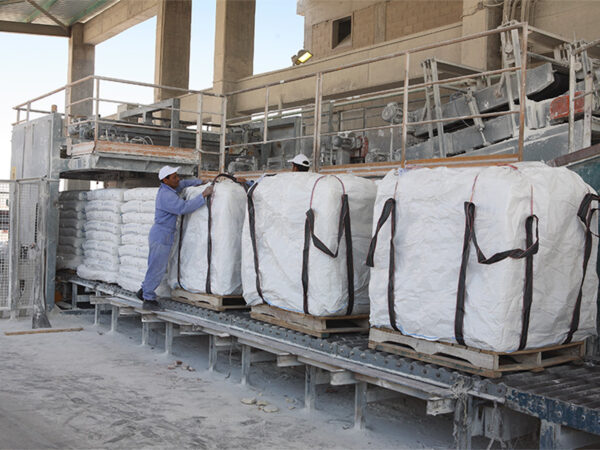
Premium White: A Complete Guide to Premium White Cement for Construction
Not all white cement delivers the same result on-site. Contractors who have dealt with color inconsistency, weak compressive strength, or delayed shipments already understand why the term premium white matters so much when sourcing cement for a demanding project. A premium white cement grade is not a marketing label — it reflects strict control over raw materials, whiteness index, and production consistency, all of which determine whether a facade or precast panel looks flawless or patchy once installed.
Bora Misr specializes in supplying premium white cement sourced from Sinai White Portland Cement, serving contractors and distributors who cannot afford inconsistent batches on visible surfaces. This guide breaks down what premium white cement actually means, where it’s used, and how to choose a reliable source.
What Does “Premium White” Really Mean?
The label premium white typically refers to a grade of white Portland cement produced with very low iron oxide and manganese oxide content, combined with tighter quality control at every production stage. The result is a higher whiteness index, more consistent particle fineness, and compressive strength that meets or exceeds standard specifications batch after batch.
In practical terms, premium white cement is what separates a uniformly bright facade from one with visible patches or gray undertones. It’s also what allows manufacturers of terrazzo, precast panels, and tile adhesives to guarantee consistent color across large production runs.
Why Premium White Cement Matters in Construction
As architects and developers push for cleaner, brighter finishes across residential, commercial, and hospitality projects, demand for premium white cement has grown steadily. It plays a central role in:
- High-end residential and commercial facades
- Luxury hotel and retail interiors
- Public monuments and architectural landmarks
- Precast and terrazzo manufacturing
Choosing a white cement over a standard grade reduces the risk of visible defects after installation, which is especially critical on large, uninterrupted surfaces where any inconsistency is immediately noticeable. This is one reason contractors across East Africa, including Tanzania, rely on Bora Misr for Egyptian-manufactured premium white cement.
Main Uses of Premium White Cement
1. Architectural Facades
white cement is the preferred choice for exposed concrete facades, decorative plastering, and feature walls where a bright, uniform surface is non-negotiable.
2. Precast and Terrazzo Products
Manufacturers rely on white cement to produce terrazzo flooring, precast panels, and artificial marble with sharp, repeatable color accuracy across production batches.
3. Tile Adhesives and Grouts
High-grade adhesives and grouts use premium white cement so joint lines stay consistent with light-colored tiles in bathrooms, kitchens, and lobbies.
4. Statues, Monuments, and Sculptural Elements
Premium white cement holds pigment and fine detail well, making it a common choice for statues, fountains, and public monuments designed to retain their appearance for decades.
5. Swimming Pools and Water Features
Pool renders made with premium white cement resist moisture while keeping a bright, clean finish that’s easy to maintain over time.
White vs. Standard White Cement
Not every white cement on the market qualifies as premium. The difference usually comes down to raw material sourcing, whiteness index testing, and batch-to-batch consistency — factors that standard grades don’t always guarantee. The table below outlines the key distinctions contractors should understand before comparing suppliers.
| Criteria | Standard White Cement | Premium White Cement |
|---|---|---|
| Whiteness Index | Moderate, variable | High, tightly controlled |
| Batch Consistency | Can vary between shipments | Consistent across production runs |
| Compressive Strength | Meets basic standards | Meets or exceeds standard specifications |
| Best Suited For | General decorative use | Visible facades, precast, terrazzo |
Key Advantages of White Cement
- Superior whiteness that provides a clean base for pigments and finishes
- Consistent quality across large orders and multiple deliveries
- Reliable compressive strength suited to both structural and decorative use
- Long-term durability in humid and high-temperature climates
- Reduced rework risk due to fewer visible color or texture defects
How to Choose the Right White Cement Supplier
- Ask for whiteness index test results rather than relying on visual samples alone
- Request compressive strength certificates for the specific batch you’re purchasing
- Confirm supply consistency, especially for large or multi-phase projects
- Check compliance with recognized standards to ensure long-term durability
- Evaluate technical support offered alongside the product itself
Working with an established supplier such as Bora Misr makes this process easier, since consistent sourcing from Sinai White Portland Cement reduces the guesswork contractors otherwise face when comparing unfamiliar brands.
Common Mistakes When Sourcing White Cement
- Assuming all white cement is “premium” without verifying test data
- Mixing batches from different suppliers on the same visible surface
- Ignoring storage conditions, which can degrade whiteness and strength over time
- Choosing based on price alone, without confirming consistency guarantees
- Skipping sample testing before committing to a full order
Expert Tips for Working with Premium White Cement
- Request a small trial batch before placing a bulk order for visible surfaces
- Use dedicated, clean tools and mixers to avoid contamination from grey cement
- Store bags in dry, covered conditions and use them within the recommended shelf life
- Coordinate delivery timing with your supplier so an entire visible surface is finished from a single production batch
Latest Trends in the Premium White Cement Market
Demand for premium white cement continues to rise across Egypt and neighboring regional markets, driven by growing investment in upscale residential compounds, commercial towers, and hospitality developments that prioritize refined finishes. Export activity has also expanded, with Egyptian premium white cement — including the Sinai White Portland Cement supplied by Bora Misr — reaching markets across East Africa, reinforcing Egypt’s position as a reliable regional exporter.
At the same time, more contracting firms are requesting documented quality certifications before accepting premium white cement shipments, pushing suppliers to strengthen their internal testing and batch-tracking processes. For project owners, this shift means better assurance that the premium white cement they receive will perform as expected on-site.
Conclusion
white cement is not just a higher price point — it’s a measurable difference in whiteness consistency, strength reliability, and finish quality that becomes obvious the moment a facade or precast panel is installed. Understanding what separates premium grades from standard ones helps contractors avoid costly rework and deliver the polished results clients expect.
If your next project calls for premium white cement, contact Bora Misr’s team to discuss bulk supply, technical documentation, and delivery scheduling tailored to your project. You can also browse more construction insights on the Bora Misr blog.
Frequently Asked Questions
1. What makes cement “premium white” instead of just white cement?
Premium white cement is produced with stricter control over raw materials and whiteness index testing, resulting in more consistent color and strength across production batches compared to standard white cement.
2. Is white cement more expensive than regular white cement?
Generally yes, since achieving higher whiteness consistency and stricter quality control adds cost to the manufacturing process.
3. Can white cement be used for structural applications?
Yes, it can be used structurally, though it’s most commonly chosen for visible surfaces where both strength and appearance matter.
4. How can I verify a supplier’s white cement is genuinely high grade?
Request whiteness index test results and compressive strength certificates for the specific batch, rather than relying on a single visual sample.
5. Does climate affect the performance of white cement?
Yes, humidity and temperature can affect curing and long-term appearance, so proper storage and curing practices remain important regardless of cement grade.
6. How do I request a bulk supply of premium white cement?
You can submit a request through the Bora Misr contact page, where the sales team can advise on quantities, documentation, and delivery timelines.
لا تعليق